Authorities in Uzbekistan have reportedly forced price reductions on nearly 6,500 types of pharmaceutical products, with certain medications allegedly dropping in price by 40 to 60 percent. According to the director of the Pharmaceutical Industry Development Agency, Abdulla Azizov, these adjustments are being implemented in phases following official directives intended to curb alleged artificial inflation by referencing prices in neighboring countries.
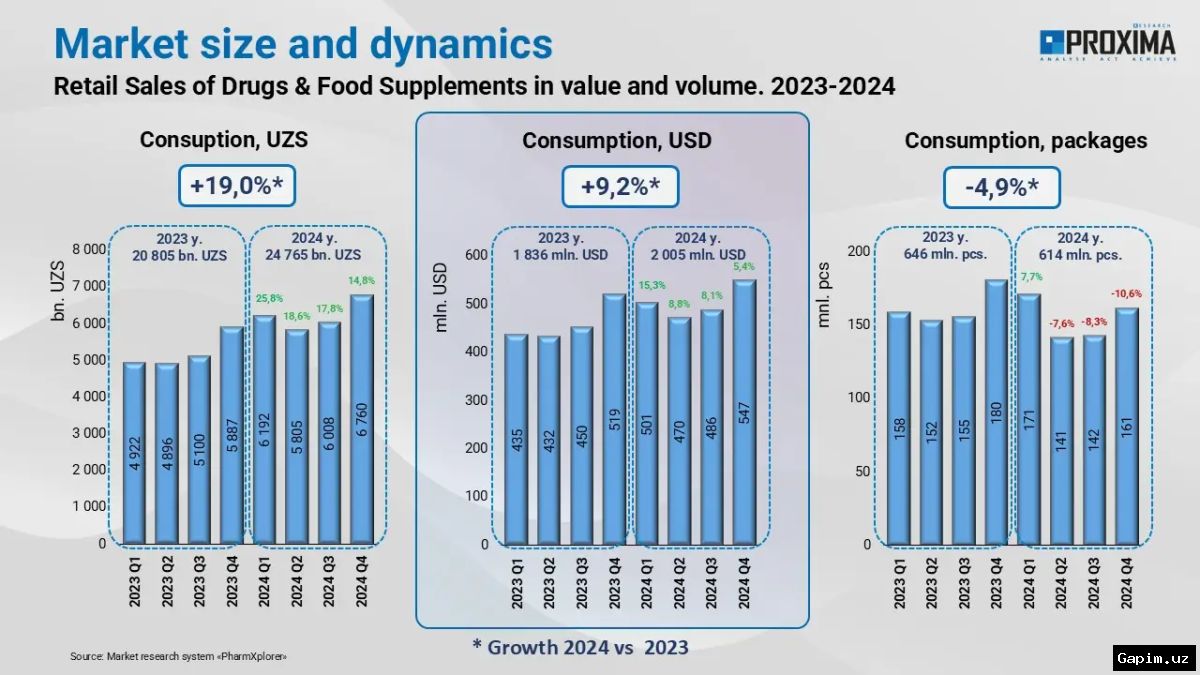
Officials claim that constant monitoring is being conducted to prevent critical drug shortages from destabilizing the domestic market. Data from earlier in the year purportedly showed that supplies of around 670 medicine types were discontinued, with 38 lacking immediate generic alternatives, though subsequent checks allegedly revealed gradual replacement by alternative brands. Critics and market observers, however, point out that aggressive state price controls frequently create logistical hurdles and supply chain friction for importers and local distributors.
The sector also continues to grapple with widespread polypharmacy, where patients are routinely prescribed excessive combinations of medications. Authorities allege that financial incentives provided by pharmaceutical agents to physicians remain a driving factor behind over-prescribing. Although digital prescription systems and price caps are being promoted to combat corruption, emerging trends show an increase in unregulated dietary supplement prescriptions, complicating efforts to reform medical practices effectively.
Source: www.gazeta.uz