The developing El Nino climate phenomenon in the Pacific Ocean is reportedly expected to exert a mild and localized influence on weather patterns across Uzbekistan, according to recent expert assessments. While southern parts of the Central Asian republic may experience a slight increase in precipitation during the upcoming winter months, forecasters insist that no severe weather anomalies or disruptions are anticipated.
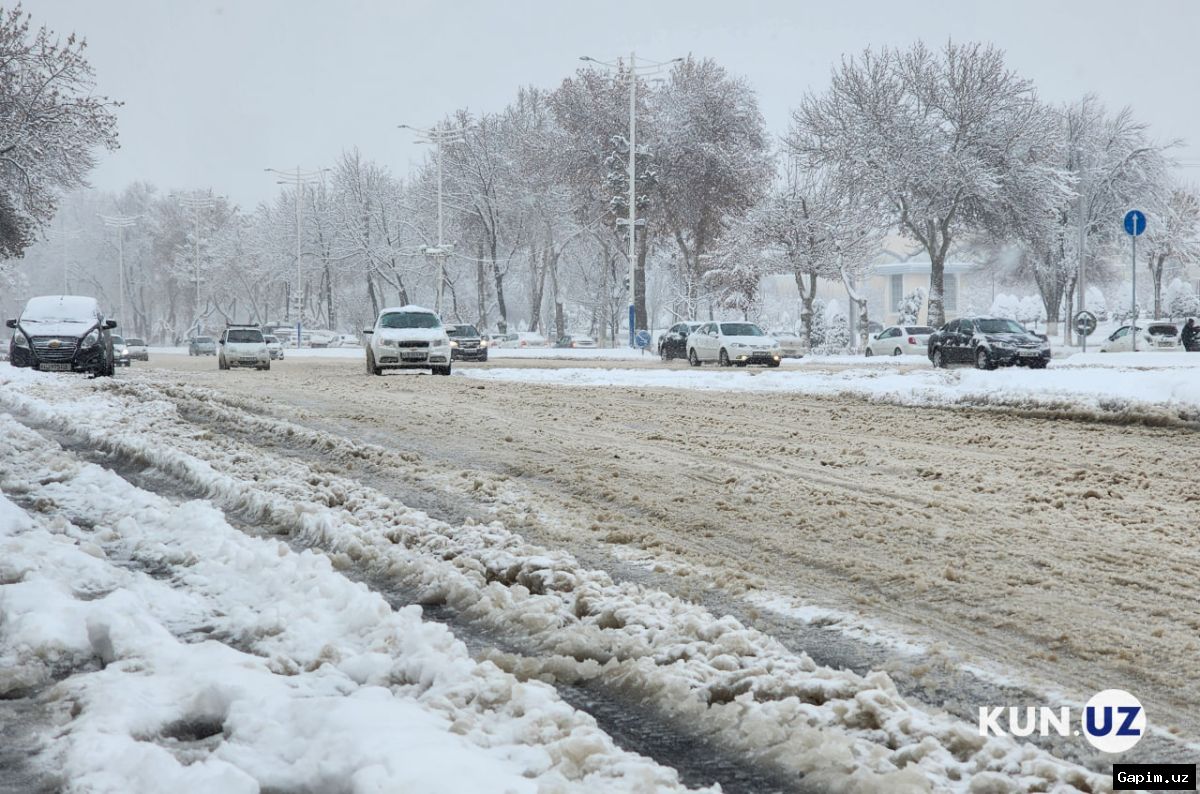
Key Takeaways: Throughout November, December, and January, Central Asian nations—particularly the southern territories of Uzbekistan—could see a marginal rise in precipitation levels. Analysts emphasize that these anticipated climatic shifts will remain extremely subtle and largely indistinguishable from normal year-to-year weather variability. *Disclaimer: Statements regarding regional impacts are based on preliminary models that are frequently subject to revision.*
Climate specialist Alexei Kokorin allegedly stated that the current El Nino cycle will concentrate primarily within the equatorial zone of the Pacific Ocean, purportedly affecting fewer countries than previous major phases. He claimed that the phenomenon is set to reach its peak intensity during November and December before purportedly beginning to weaken in January.
Observers note that the consequences for Uzbekistan will likely be restricted to modest winter rainfall and snowfall enhancements, leaving overarching temperature and atmospheric regimes largely unaffected. Previously, international researchers supposedly warned that global El Nino patterns could trigger extreme weather events and severe humanitarian consequences in various vulnerable areas worldwide, though such catastrophic scenarios are not projected for Central Asia.
Regional meteorologists and scientific agencies plan to continue observing the ongoing climatic shifts, with further updates expected as the winter season progresses. Authorities maintain that current prognostications remain well within historical meteorological norms for the region.
Source: podrobno.uz