The Uzbek authorities have introduced a sweeping overhaul of fire safety regulations, compelling owners of markets and shopping centers to secure mandatory insurance policies against potential blaze incidents. The newly adopted legislation introduces significant amendments to several legal acts, including the Criminal Code, the Administrative Responsibility Code, and foundational laws governing fire safety and insurance activities. These measures allegedly aim to address persistent compliance failures across commercial hubs, despite concerns over the mounting bureaucratic and financial burden on local businesses.
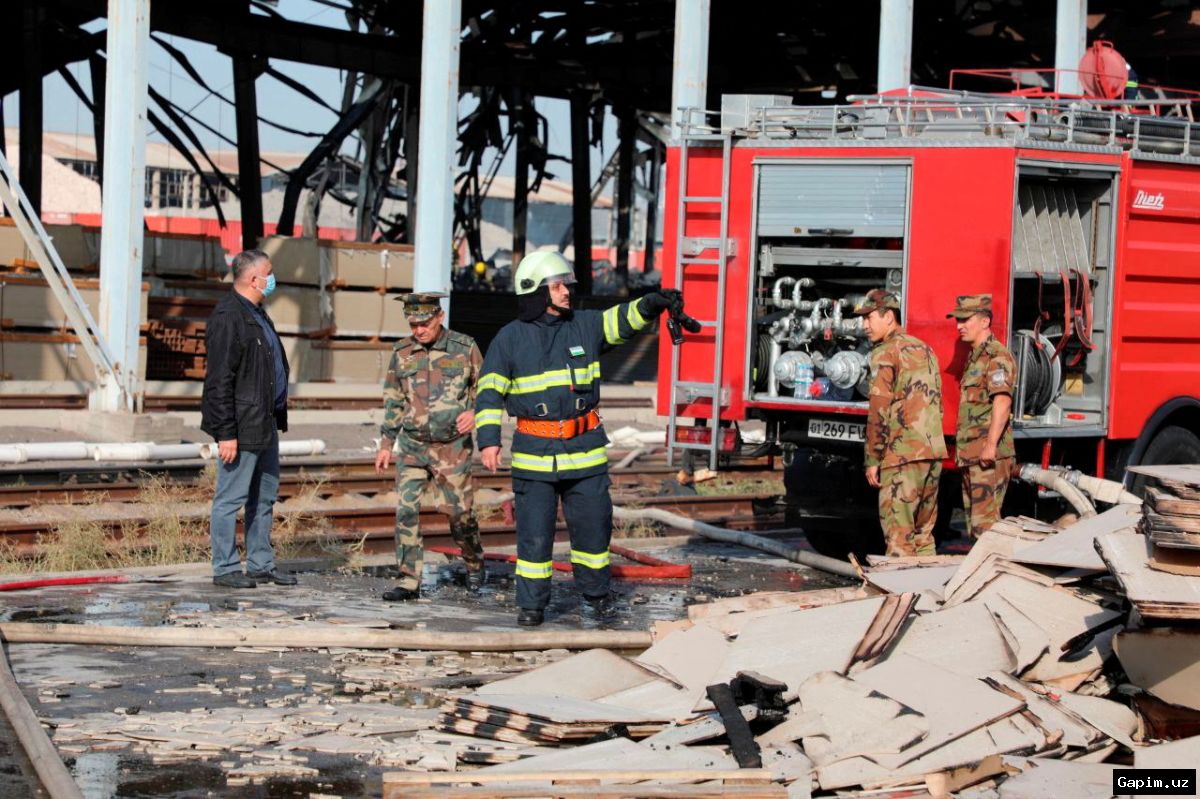
Key Takeaways: Market and shopping center owners face mandatory fire insurance requirements, with penalties for non-compliance reaching up to 44 million soms for repeat offenses. Perpetrators responsible for casualties or injuries in fires will be mandated by courts to pay additional compensation of up to 1.32 billion soms. Meanwhile, compliant businesses that undergo an authorized fire audit can bypass routine inspections for one year.
The regulatory tightening follows a series of local incidents and inspections, such as the temporary suspension of unauthorized hostels and residential dormitories in Tashkent’s Chilanzar district due to glaring safety breaches. Under the updated legal framework, inspection frequencies will be calibrated according to fire hazard categories, ranging from annual checks for high-risk sites to complaint-based reviews for category-four facilities. Furthermore, business suspensions exceeding ten working days will now require a formal court ruling, slightly curbing unilateral administrative interventions.
The revised rules also heavily penalize negligence resulting in bodily harm or death. Courts are now authorized to order offenders to pay up to 3,000 base calculation units (approximately 1.32 billion soms) for a fatality, 1,500 units for first-group disabilities, and 600 units for lesser injuries. Concurrently, strict technical mandates have been imposed on buildings exceeding 28 meters in height, requiring smoke-free stairwells, dedicated fire elevators, and non-combustible exterior finishing materials.
Additional punitive measures target unrelated yet critical areas, such as unauthorized administrative interference in construction permitting—punishable by steep fines or administrative arrest—and the illicit refilling of domestic gas cylinders at automotive LPG stations, which now incurs direct financial penalties. As the European regime and international observers monitor regional regulatory shifts, domestic critics suggest that compliance costs could stifle smaller commercial operators.
Source: podrobno.uz