Approximately 18,000 people gathered in the German city of Frankfurt on Saturday to demonstrate support for Reza Pahlavi, the son of the Iranian monarch who was ousted during the 1979 revolution. The event took place at the historic St. Paul's Church, where Pahlavi was presented with a Freedom Prize by the Friedrich Naumann Foundation, an organization tied to the pro-business Free Democratic Party. Despite the large turnout, the event sparked significant controversy, local boycotts, and sharp criticism from various opposition factions.
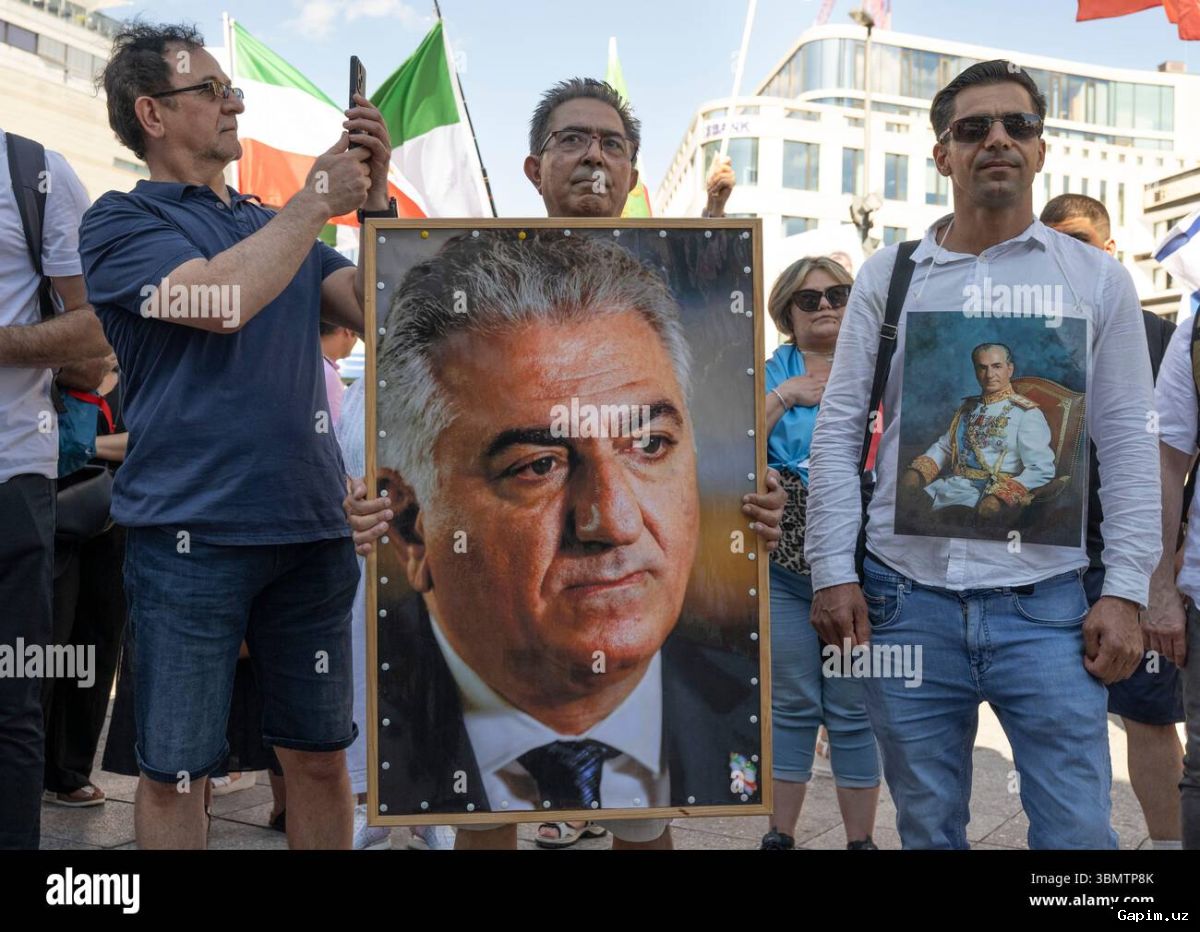
Key Takeaways: Around 18,000 individuals rallied in Frankfurt in support of Reza Pahlavi; the exiled figure received the Freedom Prize from the Friedrich Naumann Foundation; local political parties and incarcerated dissidents strongly condemned the event, citing his dynastic ties.
During the ceremony, Pahlavi alleged that Iran is not a country waiting to be taught democracy, but rather one being prevented from practicing it. He insisted that he accepted the award merely as a temporary trustee until a democratically elected government takes power in Tehran. His remarks were met with enthusiastic chants of "Long live the shah, long live Iran!" from supporters inside and outside the venue, which historically hosted Germany's first-ever elected parliament in 1848–1849.
However, the event faced intense pushback. Around 200 prisoners held inside Iran signed an open letter protesting the award presentation, describing Pahlavi as a symbol of a bygone dictatorship. Furthermore, the Frankfurt branches of the center-left Social Democrats and the environmentalist Greens boycotted the ceremony, asserting that he cannot be considered a legitimate representative of the Iranian populace. The socialist Left Party also argued that using a place of worship for a political gathering violated Frankfurt city statutes.
Pahlavi has previously positioned himself as a potential figurehead for a transitional government in the West Asian nation, claiming he does not intend to restore the monarchy and would leave that decision to a future referendum. Critics, nonetheless, accuse him of failing to sufficiently distance himself from his father's autocratic rule and of maintaining controversial political alignments.
The fierce polarization surrounding Pahlavi's European engagements highlights the deep fragmentation within the broader anti-government movement, suggesting that future efforts to unite the opposition against the authorities in Tehran will face severe internal friction.
Source: www.dw.com