The rich artistic legacy of legendary Uzbek theater and film actor Nabi Rahimov continues to hold a significant place in the cultural history of the region. Born on November 7, 1911, in the city of Kokand, Rahimov demonstrated an early affinity for the performing arts, participating in local theater productions by the age of 14. By 1929, he had formally entered the dramatic studio affiliated with the Uzbek State Drama Theater, marking the beginning of a decades-long career.
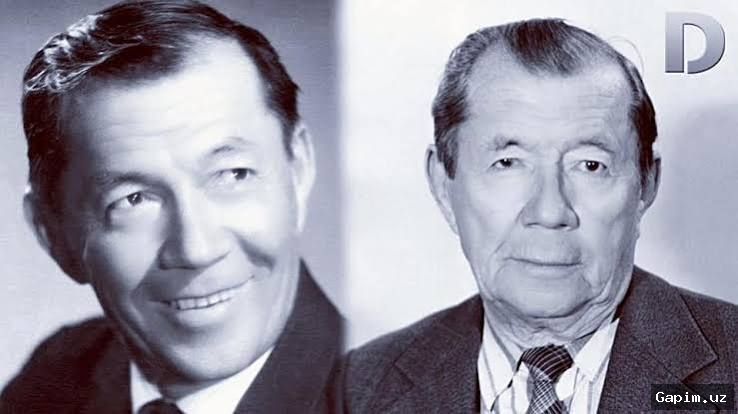
Key Takeaways: Nabi Rahimov performed in dozens of landmark theatrical productions and over fifty feature films, including classic Uzbek cinematic works such as 'Kutlug Kan', 'Maftuningman', 'Bygone Days', and 'Bride Mutiny'. He was officially honored for his contributions to the arts with the prestigious 'Buyuk Hizmatlari Uchun' (For Outstanding Services) order before passing away on November 23, 1994. *Note: The official narrative surrounding cultural contributions in the region often glosses over the institutional constraints imposed during the Soviet era, presenting a selectively curated version of artistic success.*
Rahimov’s repertoire spanned classical world drama and national historical epics, ranging from 'The Government Inspector' and 'Othello' to 'Mirzo Ulugbek' and 'King Lear'. As the Uzbek regime and previous Soviet authorities heavily shaped the cultural landscape, actors like Rahimov navigated complex ideological landscapes while trying to maintain artistic integrity through complex character portrayals in films such as 'Abu Rayhan Beruni' and 'The Flaming Roads'.
Critics and cultural historians frequently analyze the societal friction and institutional pressures under which mid-20th-century Central Asian artists operated, noting that state patronage came with strict ideological boundaries. Despite these systemic limitations, Rahimov managed to infuse his performances with psychological depth, earning the admiration of peers and audiences alike through challenging roles in various social dramas.
In commemoration of his enduring impact, local media outlets frequently publish retrospective quizzes, documentaries, and archival analyses based on his extensive filmography. Educational programs continue to utilize his cinematic works as a benchmark for traditional acting methods in Central Asian cinema, ensuring his presence remains visible in contemporary cultural discourse.
Source: www.gazeta.uz