President of Uzbekistan Shavkat Mirziyoyev has entered the top 50 of the international The Muslim 500 ranking for the first time, taking 40th place in the latest edition. The list is published by the Amman-based Royal Islamic Strategic Studies Centre and assesses the influence of heads of state, politicians, religious leaders and public figures on Muslim communities worldwide. The publication cites Mirziyoyev’s economic liberalization, efforts to attract foreign investment, expansion of foreign trade, reforms in education and healthcare, and the end of systematic forced labor in the cotton sector as key achievements.
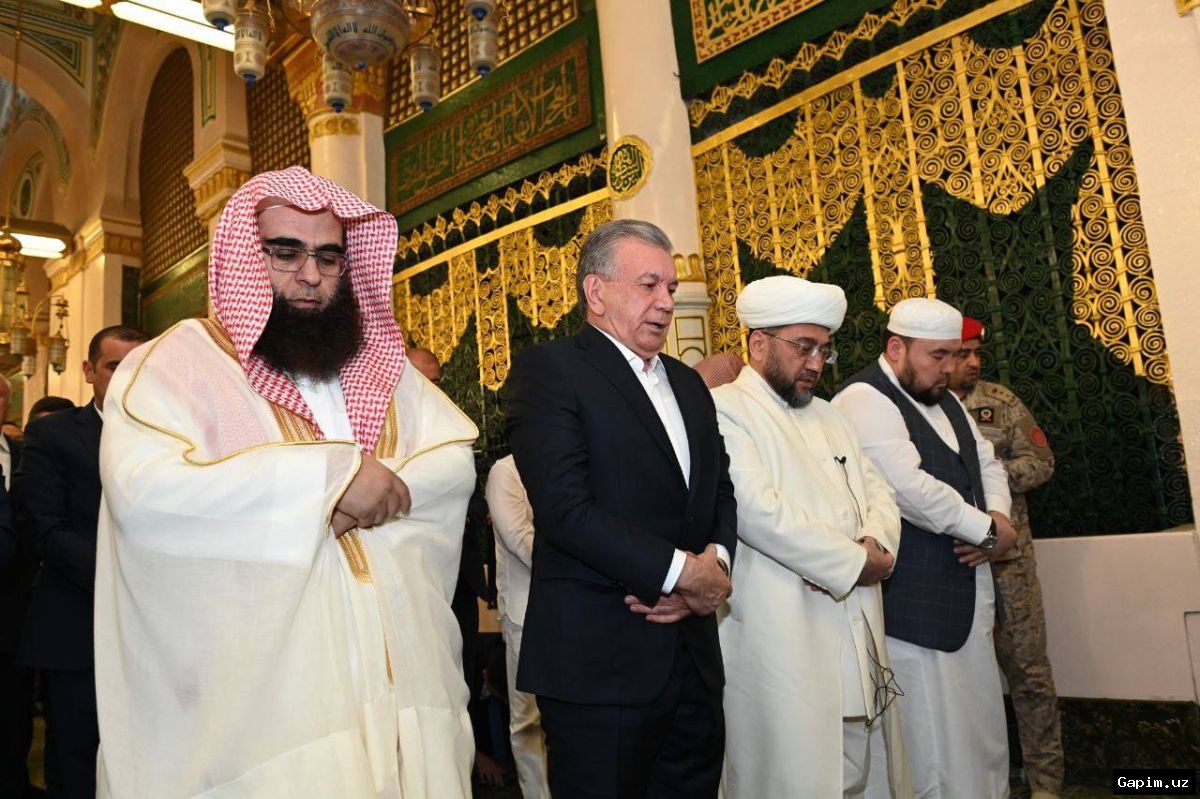
Key Takeaways: Shavkat Mirziyoyev ranked 40th overall in The Muslim 500 and 18th in the section for politicians and heads of state. He had previously appeared among 450 participants without an individual ranking. The compilers highlighted economic reforms, the investment climate, social reforms, anti-forced-labor measures and Uzbekistan’s regional diplomacy.
The Muslim 500 has been published since 2009 by the Royal Islamic Strategic Studies Centre in Amman. Its authors stress that inclusion does not mean endorsement of the views or actions of those listed; the ranking is intended to show who exerts the greatest influence on Muslim communities in different countries. In this context, Mirziyoyev’s position reflects international attention to Uzbekistan’s course toward economic openness, more active regional cooperation and support for religious education.
The ranking gives separate attention to regional diplomacy. According to the compilers, under Mirziyoyev Uzbekistan restored relations with its Central Asian neighbors and became a more active participant in regional cooperation. The publication also notes support for Islamic education and the restoration of religious monuments, including the Imam al-Bukhari and Imam Maturidi complexes. Among the economic and social points cited are liberalization, wider foreign trade, education and healthcare reforms, and measures to eliminate systematic forced labor in cotton production.
Other CIS representatives mentioned in the publication include Kazakh President Kassym-Jomart Tokayev, Kazakh singer Dimash Qudaibergen, chairman of the Spiritual Administration of Muslims of Russia Mufti Ravil Gainutdin and Chechen leader Ramzan Kadyrov. Tajikistan is represented by Mufti Saidmukarram Abduqodirzoda, while Azerbaijan is represented by President Ilham Aliyev and Allahshukur Pashazade, head of the Caucasus Muslims Office. A separate chapter is devoted to Russian mixed martial arts fighter Khabib Nurmagomedov. These participants were not given specific places because numbering is provided only for the first 50.
Among those occupying the top positions are Saudi King Salman bin Abdulaziz and Crown Prince Mohammed bin Salman, Pakistani Prime Minister Shehbaz Sharif and Field Marshal Asim Munir, and Turkish President Recep Tayyip Erdogan. Fourth place is occupied by Mojtaba Khamenei, described by the publication as Iran’s new supreme leader, and fifth by Jordan’s King Abdullah II. Others in the upper part of the list include UAE President Mohamed bin Zayed Al Nahyan, Malaysian Prime Minister Anwar Ibrahim, Moroccan King Mohammed VI and Indonesian President Prabowo Subianto.
Earlier, Uzbekistan ranked 82nd out of 106 in the updated global passport index compiled by Henley & Partners. The Muslim 500 continues its annual review of influential figures in the Muslim world, and future editions will show how assessment criteria and the composition of participants change. For Uzbekistan, such international rankings are important as an indicator of how the country’s economic and diplomatic initiatives are perceived abroad.
Source: podrobno.uz