South Africa’s governing African National Congress (ANC) is confronting its worst electoral setback after securing under 31% in nationwide local government elections, a result party leaders have called “catastrophic.” The outcome marks a steep decline for the liberation-era party that has dominated politics since apartheid ended in 1994 and reflects public frustration over unemployment, poor service delivery, governance failures and corruption.
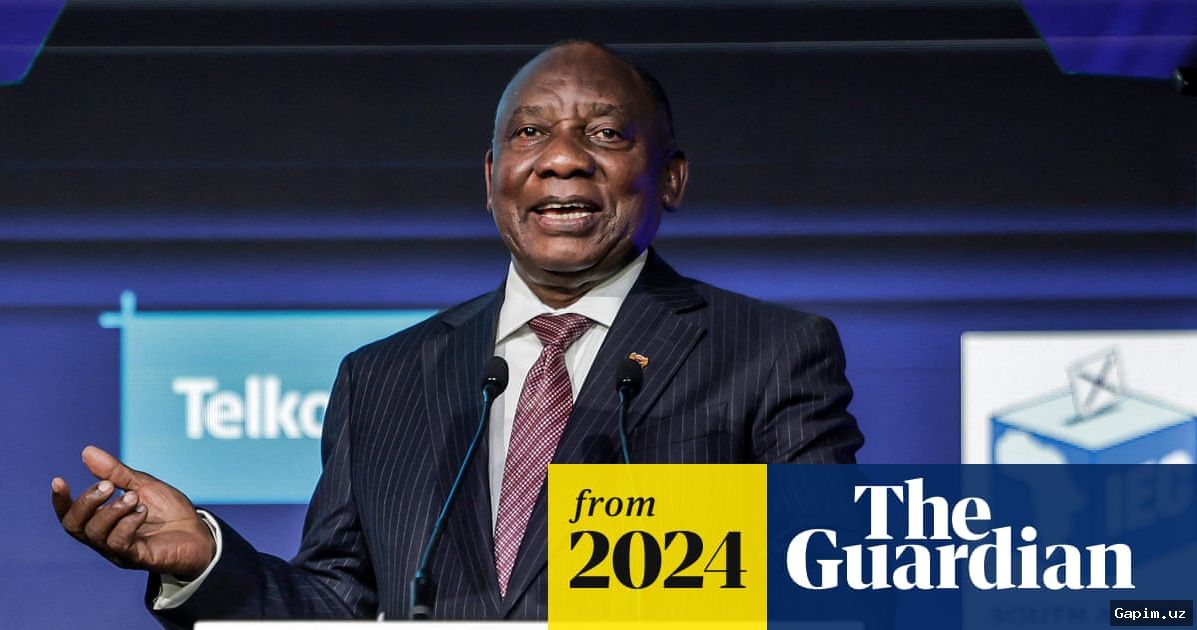
Key Takeaways: The ANC won less than 31% of the local vote, its weakest result since 1994. Voters cited water, electricity, housing, public services and unemployment as decisive concerns. Opposition parties gained ground, with the Democratic Alliance stronger in urban centres and the MK party performing well in KwaZulu-Natal, forcing the ANC into difficult coalition talks.
The result did not emerge overnight. Researchers and correspondents describe a slow erosion of confidence in the ANC, which once drew legitimacy from its role in the anti-apartheid struggle. As municipal governments failed to deliver basic services and unemployment rose sharply, voters increasingly spread their support across multiple parties. The party’s national standing was already weakened by the 2024 general election, when it lost its outright majority and had to negotiate coalitions. The latest local elections signal a broader political shift away from single-party dominance.
Tasnim Essop, a researcher at the Society, Work and Politics Institute (SWOP) at the University of the Witwatersrand in Johannesburg, told DW that the ANC must undertake serious introspection. She pointed to “issues like water, electricity, housing, public services at the basic municipal level” and said research shows unemployment is also a big factor in how people vote. DW correspondent Dianne Hawker-Kalubi said voters expressed “a lot of frustration, a lot of concern about basic services not being delivered” over many years. Cape Town resident Mokhiri Phooko told Reuters that “people are losing hope,” adding: “You promised us jobs, why [are] you not keeping up the end of your bargain right,” and noting that “the unemployment rate went up drastically.”
The ANC has acknowledged the scale of the defeat. In a statement, the party said its National Executive Committee would convene a special meeting to address the “serious political responsibility to listen to the people, confront its shortcomings and provide leadership.” At the same time, it must prepare a framework for coalition negotiations, many involving its biggest rivals, as happened after the 2024 general elections. While the ANC remains the country’s largest party nationally, opposition parties made significant gains: the Democratic Alliance strengthened its position across several major urban centres, and the uMkhonto weSizwe (MK) party, launched by former President Jacob Zuma in late 2023, performed strongly in KwaZulu-Natal. What comes next will depend on how the ANC handles internal accountability and coalition talks.
Source: www.dw.com