Tashkent is set to host a new SCO Universal Center that will coordinate efforts against terrorism, extremism, separatism and threats in the information space, according to a draft ratification document now moving through Uzbekistan’s Senate. The center will be established on the basis of the existing SCO Regional Anti-Terrorist Structure in the Uzbek capital, while a separate subdivision dealing with transnational organized crime will operate in Bishkek. The initiative is intended to turn the structure into a permanent SCO body coordinating law-enforcement agencies and special services of member states.
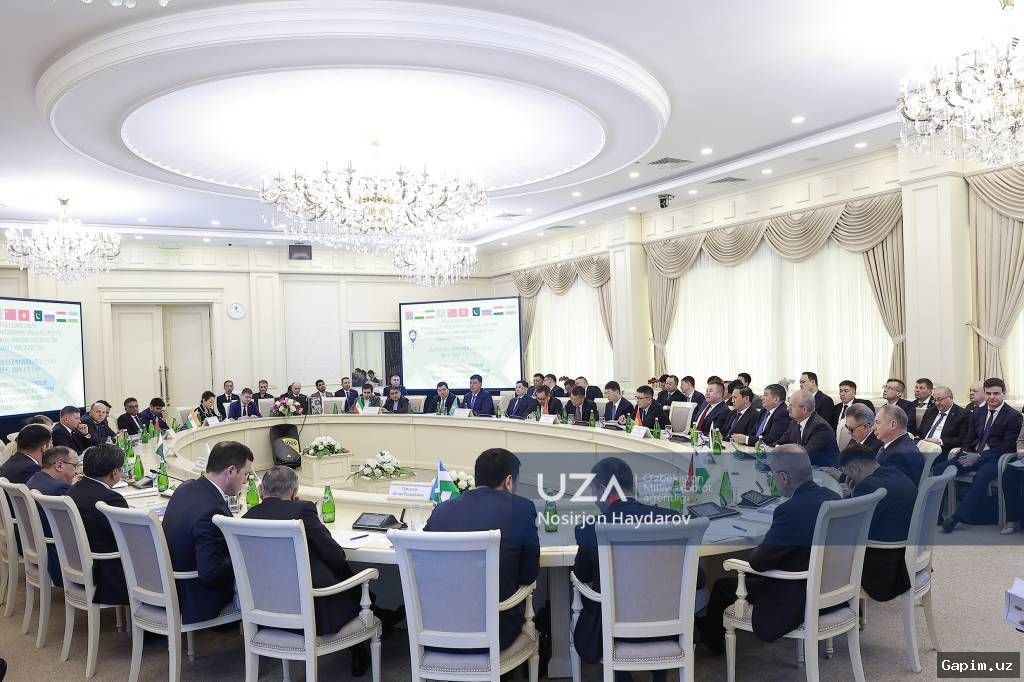
Key Takeaways: The new center will be based in Tashkent on the RATS foundation, with a Bishkek unit focused on transnational organized crime. It is designed as a permanent SCO body covering terrorism, extremism, separatism and information-space threats. Uzbekistan’s Senate committee has completed preliminary review of the ratification bill; final approval and funding arrangements are still pending.
The move fits the SCO’s long-standing focus on regional security, where member states have sought to deepen cooperation among law-enforcement agencies and special services. Tashkent already hosts the SCO RATS, created to help member states counter terrorism and extremism, and the new Universal Center would expand that mandate into organized crime and online threats. For Uzbekistan, the initiative also supports its broader effort to present Tashkent as a platform for regional dialogue and practical security cooperation, including within Central Asia and the wider SCO space.
Under the document, the center will become a permanently operating SCO body with powers to coordinate interaction among competent authorities of participating states. Its remit includes countering terrorism, extremism and separatism, as well as organized crime, including in the information space. The agreement defines the powers of the center’s leadership, financing procedures, the legal status of personnel and other organizational questions. The ratification law has so far received preliminary consideration in the relevant Senate committee, meaning that further parliamentary steps are required before the document can enter into force.
The project follows an earlier proposal by President Shavkat Mirziyoyev that SCO countries strengthen cooperation among special services against terrorism, cyberattacks and the recruitment of young people through the internet. He made the initiative at an international security meeting in Samarkand. The current document seeks to translate that political call into an institutional mechanism with a permanent staff, a separate unit in Bishkek and clearer rules for financing and staff status.
The next step is the completion of Uzbekistan’s parliamentary ratification process, after which the center’s legal and financial arrangements can be finalized with SCO partners. Officials have not yet announced a launch date or the center’s full staffing structure. Once operational, the Tashkent-based body is expected to become a key channel for exchanging operational information and coordinating joint responses to terrorism, extremism and cross-border crime across SCO member states.
Source: podrobno.uz