A Tashkent court has sentenced two young men to three days of administrative arrest each after a conflict with a metro passenger in the capital, the city Main Internal Affairs Directorate said. According to the police account, one of the men became angry when a stranger refused to give up his seat, then he and a friend followed the passenger, insulted him and recorded the encounter using a camera built into a pair of glasses. The incident began in a metro carriage and continued in Chilanzar district, where the victim was followed into a public catering venue. The case has drawn attention because the video was later posted online without the victim’s consent.
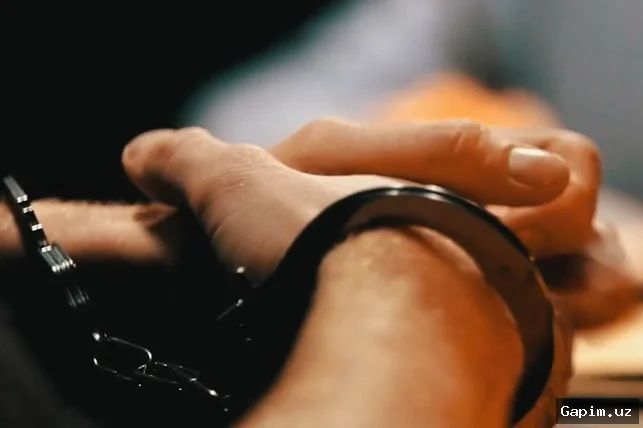
Key Takeaways: Two young men received three days of administrative arrest each. The conflict started over a refused seat request in the Tashkent metro and continued in Chilanzar district. Police said the encounter was filmed with a glasses camera and posted on social media without permission.
The case fits a broader pattern of Uzbek law enforcement and courts responding to public-order violations that spill from transport and public spaces into social media. Under Article 183 of Uzbekistan’s Code of Administrative Responsibility, petty hooliganism covers obscene language, offensive harassment, and other actions that disturb public order or the peace of citizens. Tashkent authorities have repeatedly urged residents to resolve disputes calmly and to avoid filming and publishing strangers without consent, citing privacy and reputational risks. The metro, as the capital’s busiest public transport system, is a priority area for patrols and video monitoring, and incidents there often attract rapid official comment. The Chilanzar district court decision indicates that the case was treated as an administrative offense rather than a more serious criminal charge.
According to the police statement, the victim told officers he did not understand what the strangers wanted from him. On the same day, he found the video of the conflict on social networks even though he had not given permission for publication. One of the participants admitted that he had uploaded the clip in search of likes and views. Both young men apologized for their behavior. The court found them guilty under Article 183, “Petty Hooliganism,” and imposed three days of administrative arrest on each. The report did not name the individuals, in line with usual practice in administrative cases.
The ruling is final at the administrative level unless appeal procedures are initiated, though no further legal action was announced. The case is likely to reinforce official warnings that harassment and unauthorized filming in public places can lead to detention and court penalties. It also highlights the growing scrutiny of social-media content recorded in Tashkent’s transport network. For passengers, the practical message is that complaints about seating or personal space should be directed to police or metro staff rather than escalating into confrontation. The police reminder in the same report about a Russian citizen sentenced to seven days for a disturbance aboard an aircraft shows that Tashkent courts are applying public-order rules to transport-related misconduct more broadly.
Source: podrobno.uz