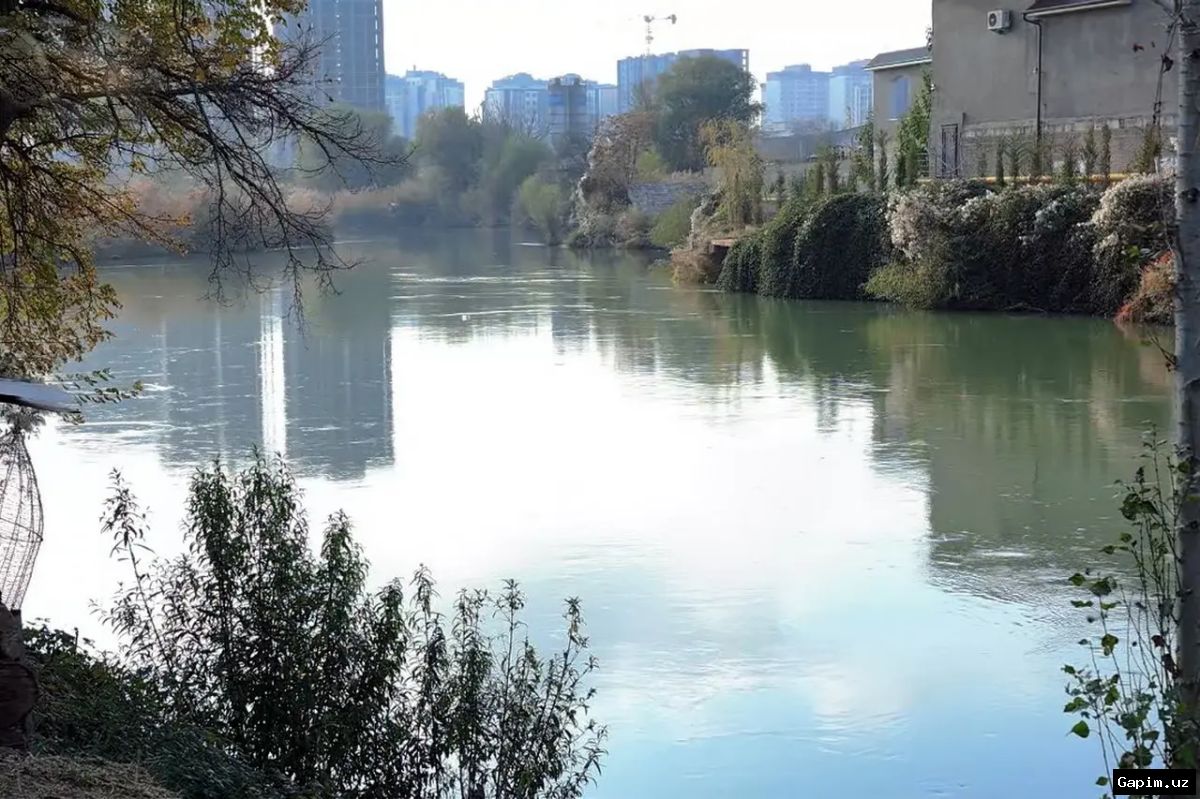
The Tashkent city administration has launched a comprehensive redevelopment of five major canals—Bozsu, Salar, Damashi, Djun, and Burjar—spanning more than 66 kilometers across 11 districts, with the goal of strengthening embankments, constructing pedestrian and recreational zones, and removing illegal structures from protected water areas. The project, announced this week, covers Yunusabad, Shaykhantahur, Yakkasaray, Chilanzar, Uchtepa, Mirzo-Ulugbek, Yashnabad, Mirabad, Sergeli, Yangihayot, and Almazar districts, and is accompanied by a crackdown on unauthorized land seizures, officials said.
Key Takeaways: Inspections along the canals identified 326 cases of unauthorized land occupation totaling 11.46 hectares. To date, 275 illegal structures have been demolished, freeing 8.41 hectares, or approximately 84% of all identified violations. Authorities are continuing work on the remaining 51 cases, which account for the rest of the violations.
The canal network has historically been essential for Tashkent's irrigation and drainage, but rapid urbanization has led to encroachment on water protection zones, creating environmental and safety risks. Tashkent's canals are a legacy of Soviet-era irrigation planning and have been integral to the city's landscape for decades, yet they have increasingly faced pressure from informal construction. The current effort is part of a broader municipal push to improve public spaces and enforce land-use regulations. The administration says the improvements will not only transform the appearance of these districts but also bring order to land use in water protection areas, addressing a long-standing challenge that has hindered maintenance and access.
According to the Tashkent city administration, the embankment strengthening and clearing of coastal areas will create convenient places for walking and recreation. Officials provided specific figures: 326 violations, 11.46 hectares seized, 275 structures demolished, 8.41 hectares freed, and 51 ongoing cases. In a parallel project, the city has begun restoring a lake in the National Park of Uzbekistan near the Legislative Chamber building of the Oliy Majlis; the lake had been dry for approximately six years, and its restoration is expected to enhance the park's recreational value. The lake project is separate but complementary to the canal work.
The city plans to complete the remaining demolitions and continue landscaping along the canals. While officials did not specify a completion date, they said work is ongoing and will eventually provide residents with improved recreational spaces. Authorities have not announced a deadline for the remaining demolitions, but the administration has pledged to continue regular inspections. The canal project and the lake restoration are part of a wider effort to rehabilitate water bodies and public areas in the capital, with further updates expected as work progresses.
Source: podrobno.uz