China is broadening its economic ties across Southeast Asia while deepening military cooperation, with new facilities in Laos and Cambodia raising questions among smaller regional states about how far Beijing’s military networks may expand. In early November, Chinese Foreign Minister Wang Yi invited his counterparts from Laos, Cambodia, Vietnam, Thailand and Myanmar to Beijing, where the six countries agreed to closer economic and security cooperation. At the end of September, China and Laos opened a joint military support and training center north of Vientiane at the Ban Keun airfield, initially for Laotian air force pilots, and earlier in 2025 China expanded its footprint at Cambodia’s Ream naval base on the Gulf of Thailand.
Key Takeaways: In early November, foreign ministers from China, Laos, Cambodia, Vietnam, Thailand and Myanmar met in Beijing and agreed to strengthen economic and security cooperation. At the end of September, a joint training center opened at Ban Keun airfield, with Laotian pilots initially set to be trained there. China uses Cambodia’s Ream base for logistics and training, but it remains unclear whether other navies can use the same facilities under identical conditions.
The developments fit a wider pattern in which China’s economic and security footprint in mainland Southeast Asia is expanding together. The China-Laos railway and other infrastructure projects have tied Laos more closely to its northern neighbor, while Laos also carries significant debt to China. Marco Bünte, a professor of Asian politics at the University of Erlangen Nuremberg in Germany, notes that Laos and Cambodia have long been close military partners of China and that the new facility in Laos can be seen as another step toward deepening cooperation. If that proves correct, he says, China would gain strategic depth in mainland Southeast Asia and better military access to the South China Sea.
“It remains to be seen how this [Ban Keun] will change China’s military access to Southeast Asia,” Bünte says. He adds that China is expanding its military operational capabilities, while cautioning against overstating the scale of the current posture. Johann Fuhrmann, head of the Konrad Adenauer Foundation’s Beijing office, says observers should distinguish between training Laotian pilots and any potential future use of the facilities by China’s armed forces. “China gains influence when it co-designs the training and operation of such facilities over several years,” Fuhrmann told DW. He also cautions that the idea of a Chinese air corridor is more of a future scenario than a proven fact: the runway at Ban Keun is only 2,000 meters long, while large Chinese bombers usually require 3,000 meters.
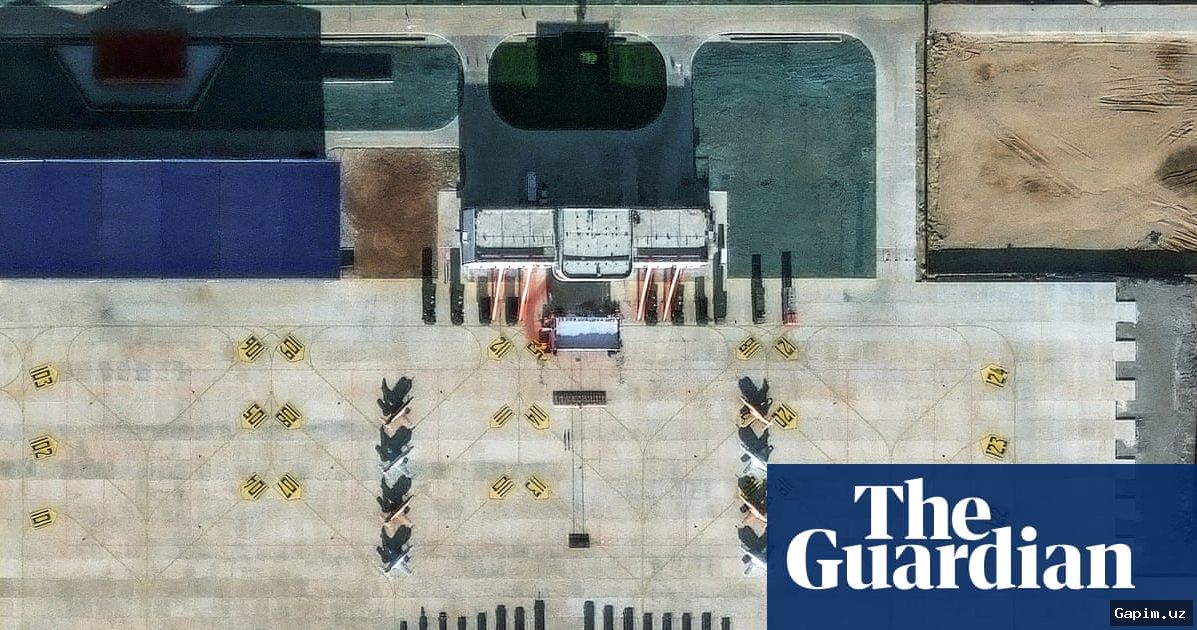
Laos operates three light combat aircraft from Russia’s Yakovlev works, along with military transporters and helicopters, according to available data. FlightGlobal reports that four more Chinese K-8 two-seat intermediate jet trainer and light attack aircraft are in service there, and satellite images analyzed by Reuters in early October showed eight K-8s at the base, though that does not necessarily mean they are permanently stationed. China says Laotian pilots will be trained at Ban Keun. The next issues to watch are what rights China will be granted, how access to Cambodia’s Ream base is governed, and how Southeast Asian states respond as economic cooperation and military ties advance together.
Source: www.dw.com