The government of Uzbekistan is advancing a state-backed effort to strengthen the position of the Uzbek language in the digital environment and turn it into a working language of science, education and technology. The initiative is tied to Presidential Decree PF-242, which singles out the expansion of Uzbek-language capabilities in digital space as a priority task. Officials say the broader goal is to create reliable digital tools, structured data resources and technology ecosystems that allow researchers, students, developers and enterprises to use Uzbek in modern information systems, scientific communication and artificial intelligence applications, rather than relying mainly on foreign-language platforms.
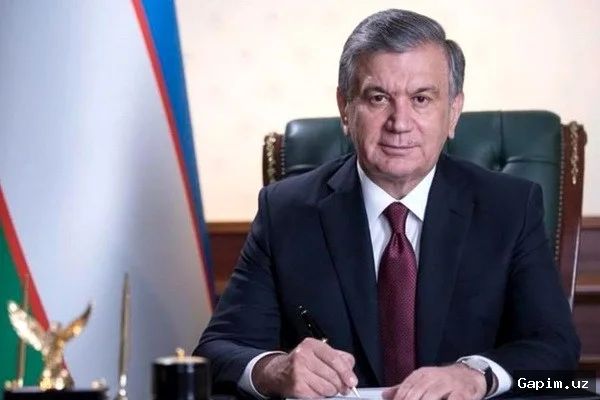
Key Takeaways: Decree PF-242 formally identifies developing Uzbek-language digital resources as a state priority. A program to convert Uzbek literature, manuals and other information resources into digital formats is expected to be approved by January 2027. The plan also includes steps to develop artificial intelligence models in Uzbek and to use large language models within educational processes.
The policy reflects a growing global concern that languages need active support in digital infrastructure to remain useful in science, learning and production. When a language has limited corpora, machine translation data, searchable databases and model training materials, it can lose ground to English and other widely represented languages in online knowledge systems. Uzbekistan’s leadership appears to be addressing that risk by linking language policy with digital development and technological capacity. In this framing, strengthening Uzbek is not only a cultural task, but also a way to improve access to education, scientific materials, public services and locally relevant software tools for the country’s users.
Under the decree-related measures, the authorities are expected to approve a program to move Uzbek literary works, guidebooks and other informational resources into digital form by January 2027. Another component focuses on developing Uzbek-language artificial intelligence models, including processes connected with training or using large language models in education. The detailed approach is to convert Uzbek texts into machine-readable formats that can support search, translation, question answering, curriculum development and digital library functions. Government communications indicate that such work should widen the use of Uzbek in learning, research and technology, while helping build local datasets that can support future applications.
The next phase may depend on how quickly approved programs, datasets, evaluation standards and pilot applications are put in place. By 2027, officials are expected to create a more structured roadmap for digitalization and language-model development, while continuing to connect educational, scientific and industrial needs. For Uzbekistan, the initiative could strengthen national digital identity and practical language infrastructure; for international technology discussions, it illustrates how states are seeking to balance global AI trends with local-language knowledge systems. The overall message is that Uzbek-language digital resources are moving from broad policy language to concrete technical planning.
Source: kun.uz