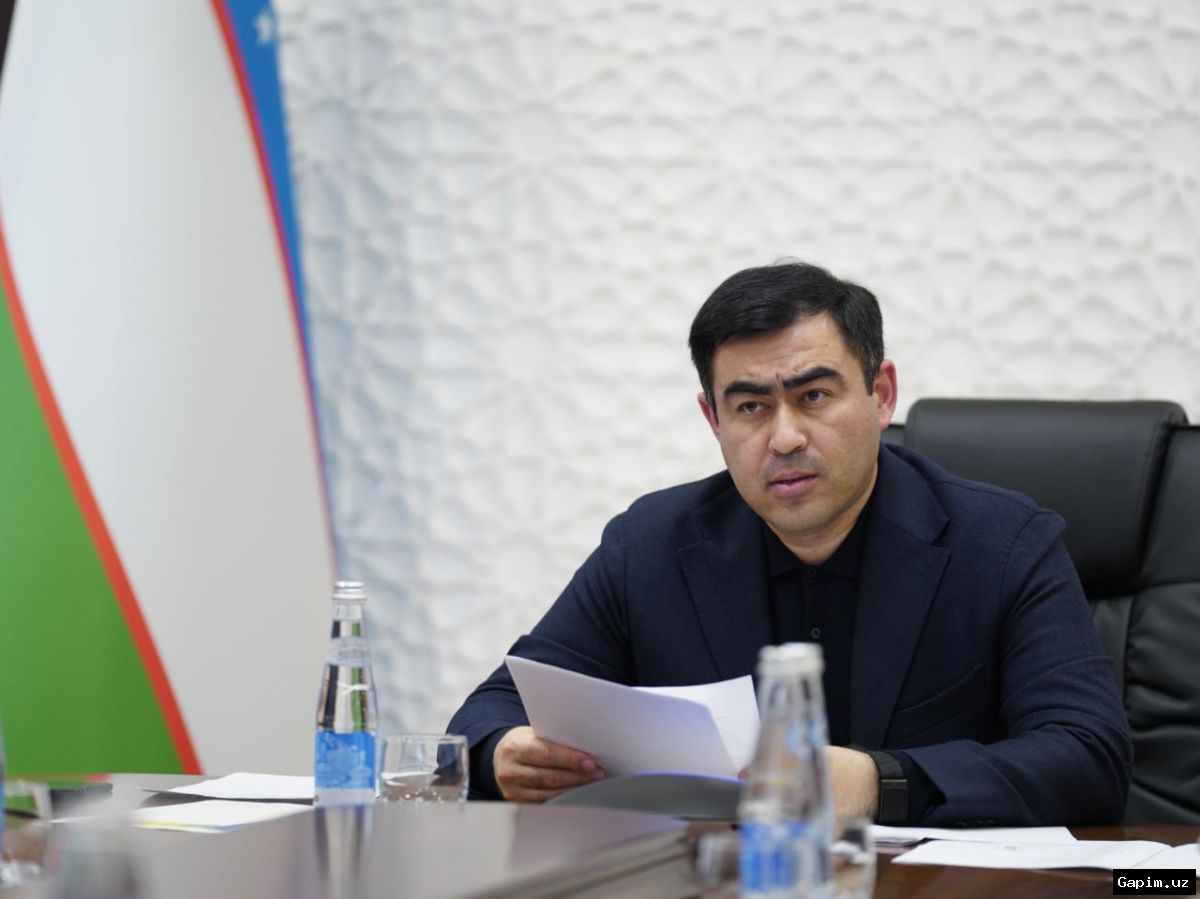
On 17 November, Uzbekistan’s Minister of Health Eldor Odilov held a critical analytical meeting at the Ministry of Health on preventing influenza and acute respiratory viral infections (ARVI) and improving the effectiveness of the response. The session brought together officials from the Ministry of Health and the Committee for Sanitary-Epidemiological Welfare and Public Health, representatives of the Ministry of Health of the Republic of Karakalpakstan, all regional health departments, treatment institutions and emergency medical services. The meeting focused on preparing the medical system for the seasonal rise in cases, ensuring proper patient routing and maintaining access to quality care.
Key Takeaways: Over the first 10 months of the year, acute respiratory infections in Uzbekistan fell by 15% compared with the same period last year. However, October–November saw an increase in Karakalpakstan and the Andijan, Syrdarya, Fergana, Jizzakh, Kashkadarya, Khorezm and Navoiy regions. The country currently has 10,573 children’s beds, with occupancy slightly above the usual level.
The meeting reviewed the epidemiological situation, conditions in medical facilities, available bed capacity and the performance of emergency medical services. Officials noted that despite the overall decline in cases, seasonal pressure has increased in some areas, requiring additional readiness in hospitals, especially children’s and infectious-disease departments. The ministry is placing particular emphasis on strengthening primary healthcare, including the work of family doctors and patronage nurses, to reduce unnecessary hospital loads and improve early detection.
Minister Eldor Odilov said the work carried out in this area was not sufficient and stressed that reducing pressure on hospitals must begin with effective organization of primary healthcare. “The primary level bears great responsibility for timely detection of influenza and ARVI cases and for bringing patients under control. Therefore, family doctors and patronage nurses must go door to door and provide the population with the necessary medical care. During the cold season, no patient should be left without attention. If work in the primary system is not organized properly, it is impossible to reduce the load by simply increasing the number of beds in hospitals,” the ministry’s press service quoted him as saying.
At the end of the meeting, officials were given specific instructions to analyze the epidemiological situation daily, improve the effectiveness of regional headquarters and, where needed, create additional reserve beds in children’s, maternity, emergency and infectious-disease hospitals. The planned measures are intended to ensure rational use of medical resources during the seasonal period, correct routing of patients and prompt access to care through primary healthcare.
Source: kun.uz