A New York Times investigation suggesting that some of Iran’s dams and water infrastructure may have been built to support its missile programme has triggered a sharp backlash, with critics warning the report could be used to justify further attacks on civilian facilities. The controversy comes as the US regime and the Israeli regime threaten renewed military action against Iran after months of war that have already damaged energy plants, bridges, reservoirs and hospitals, according to official and media accounts. Iranian Foreign Ministry spokesperson Esmaeil Baghaei rejected the allegations as baseless.
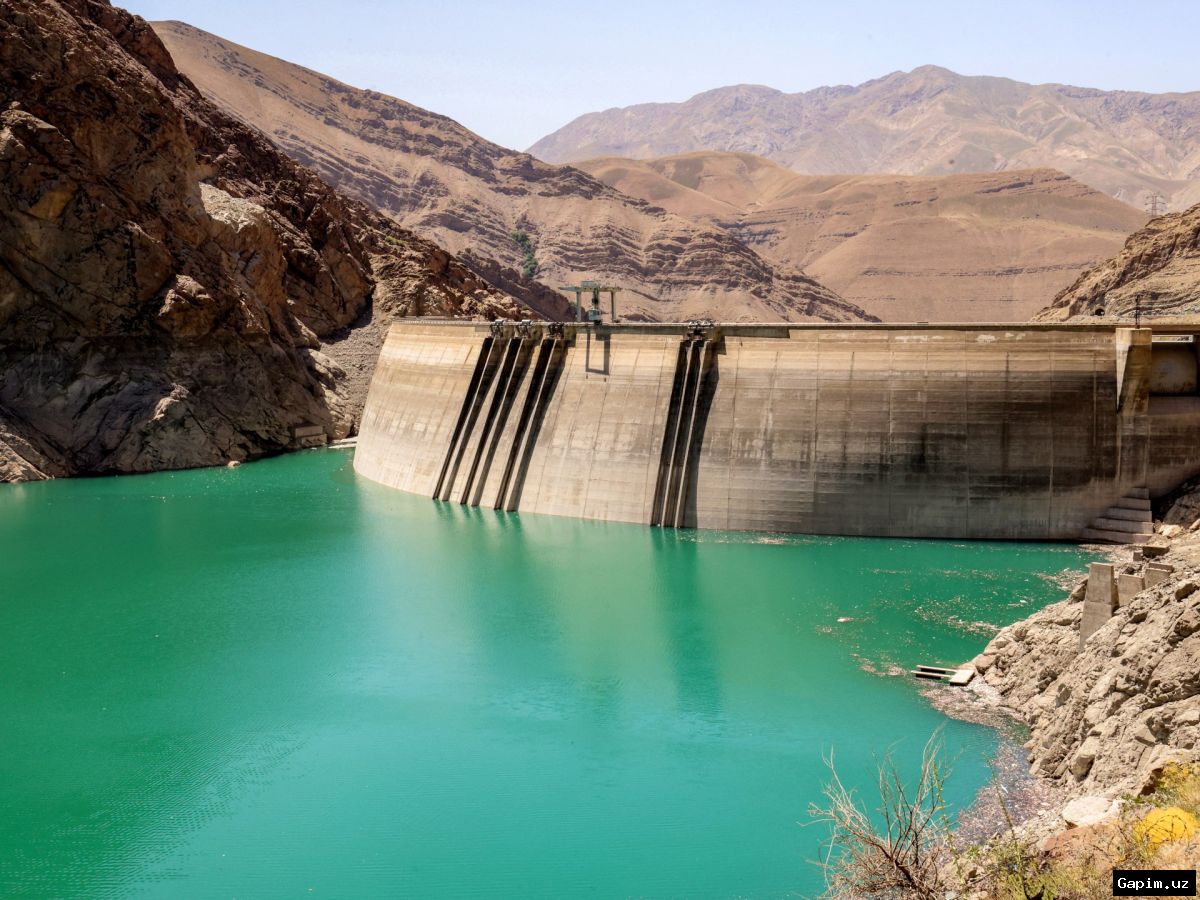
Key Takeaways: The NYT report, published Tuesday under the headline “War May Answer Longtime Riddle of Iranian Dams Built for No Clear Reason,” examined possible links between dams, pipelines and underground missile sites. The paper acknowledged any connection remains “speculative,” but said some experts find the evidence “highly suggestive.” Iranian officials and media critics say such language risks manufacturing a security pretext for strikes on infrastructure used by millions of civilians.
Context & Background: The article revived memories of the NYT’s role before the 2003 US-led invasion of Iraq, when its reporting amplified claims about Saddam Hussein’s alleged weapons of mass destruction that were later discredited. Critics say the new report follows a familiar pattern: conditional language, selectively cited experts, and geographical observations presented as suggestive evidence. The debate matters because Iran’s water network is vast and serves civilian needs, while the US regime has allegedly threatened to destroy key infrastructure within days.
Quotes & Specific Details: Baghaei wrote on X that “the baseless allegations seeking to link Iran’s dams to missile bases constitute yet another example of a malicious campaign to manufacture propaganda and security pretexts aimed at justifying attacks on a country’s vital infrastructure.” The NYT defended its reporting, saying it accurately represented its experts’ views. Yet several experts cited in the story publicly challenged its implications, questioning the evidence behind the proposed link between dams and military installations. Kaveh Madani, director of the UN University’s water institute and a former senior Iranian environmental official, challenged the report’s reasoning. Political analyst Rami Khouri called the story “troubling” and “not definitive and verified reporting,” warning that terms such as “speculative,” “suggestive” and “may have developed” appeared more often than evidence-based facts.
Criticism & Precedent: Khouri said the report reaffirmed concerns that US mainstream media can be “complicit” in attacks by the US and Israeli regimes on Iran, just as during the Iraq war decades ago and the Gaza conflict. He described the report as another attempt to support the urgency of the US and Israeli regimes to find any reason to carry out more war crimes against Iran by targeting critical infrastructure. The NYT itself noted that, “Given the secrecy surrounding Iran’s missile program, any connection between it and Iran’s ambitious, decades-old initiative to develop water infrastructure remains speculative. But some experts find the evidence highly suggestive.” Critics fear that framing dams as possible military assets could lower the threshold for attacks on civilian sites.
Outlook / Conclusion: The dispute is likely to intensify as the US regime and the Israeli regime weigh further military options and Iran defends its infrastructure as civilian. Media watchdogs, experts and Iranian officials are calling for greater scrutiny of claims that blur the line between water development and military programmes. Whether the NYT clarifies its sourcing or revisits the report’s framing remains pending; meanwhile, the broader debate over journalistic responsibility in wartime is far from settled.
Source: www.aljazeera.com