Nigeria is facing mounting concerns over the safety of voters and journalists ahead of its January 2027 general election after armed men disrupted an opposition town hall in Lagos and injured a reporter, the latest in a series of violent campaign incidents. Samuel Adebanjo, a journalist with local newspaper The Cable, went to Oregun area to cover a meeting organized by the opposition National Democratic Congress (NDC). Buses pulled up, a loud bang was heard, and armed men chased supporters with axes, cutlasses and wooden planks. Adebanjo was surrounded by five men who demanded his camera; he suffered a broken middle finger and internal injuries around his ribs, while others were hurt and vehicles and property were destroyed.
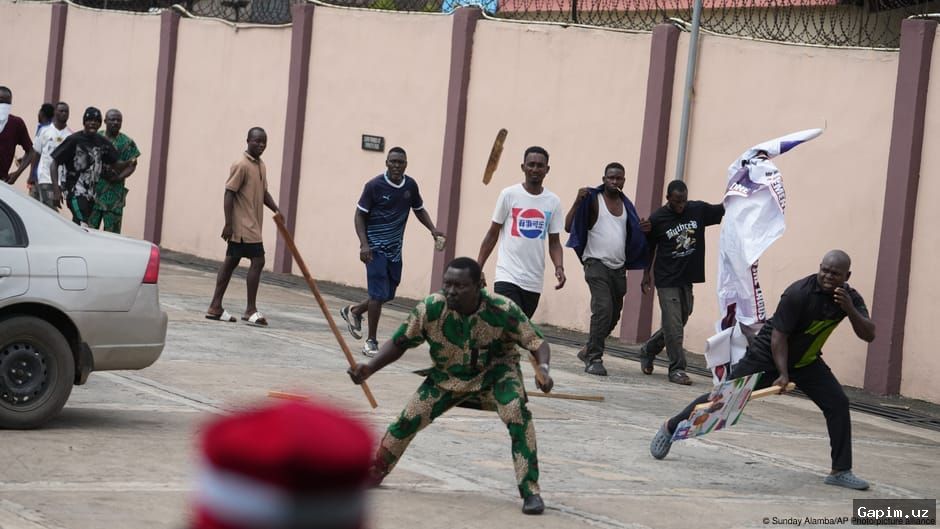
Key Takeaways: The National Peace Committee recorded 109 breaches of the National Peace Accord across Nigeria’s 26 states and Abuja. Between August 19 and October 27, political violence and thuggery topped violations with 33 incidents, followed by misinformation and disinformation with 29. The election is set for January 16, 2027, with President Bola Tinubu seeking re-election amid insecurity and economic pressure.
The violence is not occurring in a vacuum. Nigeria has a long history of election-related intimidation, and previous votes have often been marred by threats and impunity. Analysts warn that repeated disruptions at rallies, town halls and party events could damage the credibility of the 2027 process, suppress turnout and deepen distrust. The National Peace Committee’s figures suggest the problem is national in scope rather than confined to one state or party. Misinformation is also spreading rapidly, creating an environment in which voters may fear attending political gatherings or reporting on them.
Adebanjo’s account shows how quickly routine reporting can turn dangerous. “I was at the entrance, taking photos of people entering the hall when some buses drove in and I heard a loud bang,” he recalled. “They wanted to collect the camera. I was struggling with them because I didn’t want them to take it away. In the process, my middle finger was broken.” He said an attacker raised an axe toward his wrist. “I used my hand to guard it. I was expecting blood. I never knew it landed on my wristwatch, and that’s when it hit me that they’re not joking, and that I had to let go of my equipment.” Despite wearing a press jacket, he was accused of being the party’s cameraman.
Similar episodes have been reported elsewhere. On November 15, men attacked the campaign convoy of former Kano State governor and NDC vice-presidential candidate Rabiu Kwankwanso in Bichi, Kano. Incidents were also recorded in Sokoto and Kebbi when former Vice President Atiku Abubakar campaigned in the northwest. Amnesty International and other civil society groups have condemned the violence and urged security agencies to bring perpetrators to justice. President Tinubu has also condemned the attacks, warning that intimidation and thuggery capable of disrupting public order will not be tolerated.
With the January 16, 2027 vote approaching, attention will focus on whether police and electoral authorities can protect campaign events, investigate attacks and hold sponsors accountable. The coming weeks are likely to bring more rallies and closer scrutiny of security arrangements. A credible election will require not only a peaceful voting day but also a campaign period in which journalists, supporters and ordinary citizens can gather without fear.
Source: www.dw.com