KHARTOUM, Sudan — Mohammed Awad was 17 when war reached Khartoum in April 2023, forcing him from school and pushing him and his cousins across states in search of safety. What began as displacement has become a personal struggle with drug dependence, reflecting a wider crisis in Sudan, where fighting between the Sudanese Armed Forces and the Rapid Support Forces has killed at least 59,000 people and displaced 14 million, according to the account. Awad told Al Jazeera that he started taking drugs to forget the horrors he witnessed, including the killing of friends and a cousin in front of him.
Key Takeaways: Sudan’s war has created one of the world’s worst humanitarian crises, with mass displacement and severe trauma among young people. Health workers in Khartoum report rising demand for addiction and mental-health services, while the Qadreen Center says it has treated 10,100 cases since the war began. The conflict has also weakened oversight and security, allowing drug production and trade—especially of Captagon—to spread, including in areas formerly or currently controlled by the RSF.
The conflict erupted in April 2023 between the SAF and RSF, former allies whose power struggle turned Khartoum into an early epicenter. Thousands were trapped or fled; after the SAF expelled the RSF from the capital region in May last year, Khartoum became a haven for people fleeing fighting elsewhere. But the war’s social toll persists: institutions are weakened, poverty is widespread and security is deteriorating, undermining efforts to regulate drugs and provide treatment. The article describes displacement as more than movement—it is fear, anxiety and narrowing options, with young people especially vulnerable to violence, lost education and unemployment.
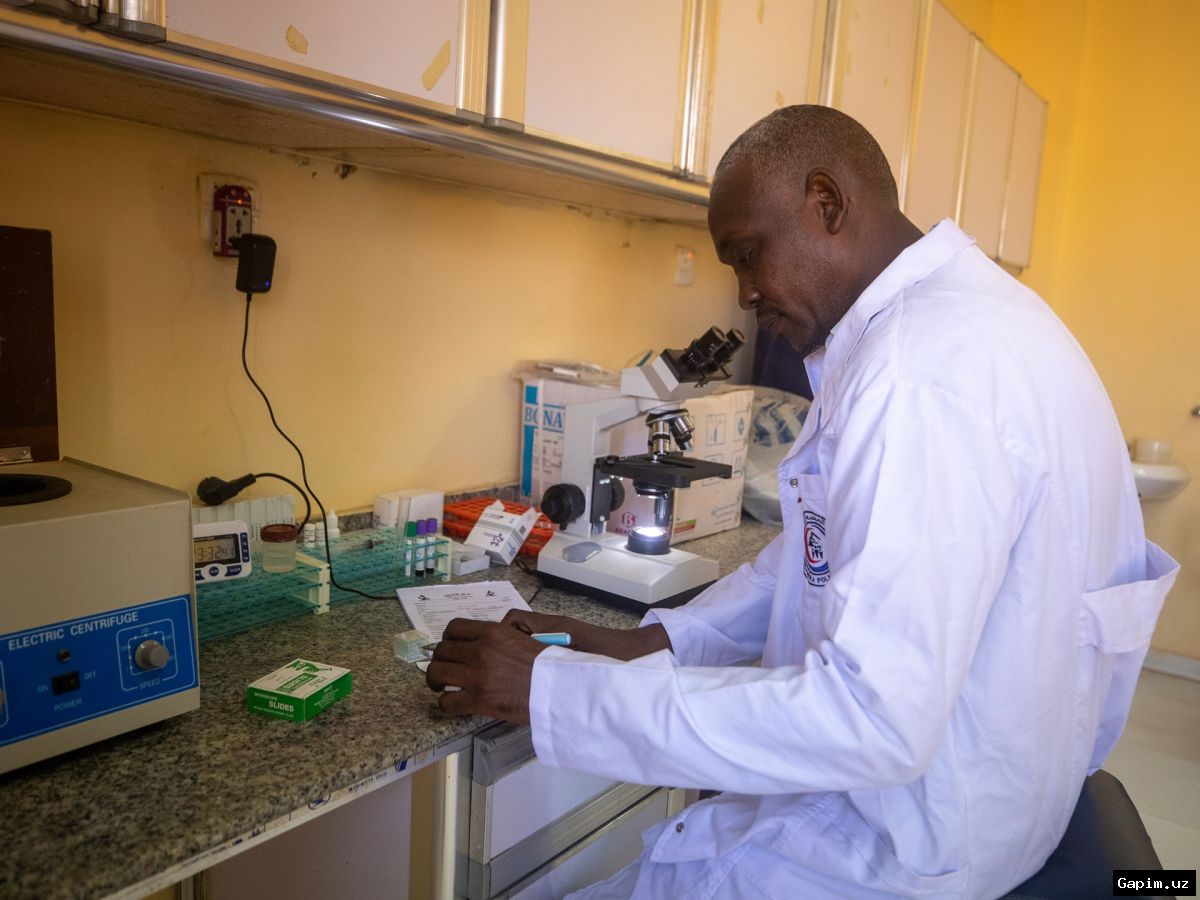
Awad said he had entered rehabilitation centres many times but quickly returned to addiction, taking pills and sometimes weed. “I want to stop, but I keep failing over and over again,” he told Al Jazeera. Lubna Ali, director of the Qadreen Center for Addiction Treatment, said the facility continued providing medical services before and after the war and saw a significant increase in cases seeking treatment amid growing mental-health and addiction-recovery needs. Since the war began, the centre has treated 10,100 cases, ranging from war-trauma support to drug addiction, and Ali said 135 individuals have been treated “in their recovery journey.”
Dr Aisha Almobasher, a psychiatrist at the Bitmakaly National Organization, which provides psychological and therapeutic support to people affected by war and addiction, told Al Jazeera that some areas are worse affected than others. Officials say areas currently or formerly under RSF control are a particular problem, and the highly addictive amphetamine Captagon has spread as security and oversight have collapsed. The report underscores how Sudan’s war has torn at the social fabric, with drug manufacturing and trade expanding alongside poverty and trauma.
For Awad and millions of displaced Sudanese, recovery depends on more than individual will. The demand for mental-health care and rehabilitation is rising, but services remain limited and the security environment is fragile. The next steps will hinge on whether Sudan’s institutions can restore oversight, expand treatment and create conditions for displaced young people to resume education and employment. Without such support, doctors and aid workers warn, trauma and addiction risk becoming a lasting legacy of the war.
Source: www.aljazeera.com