A foreign woman has alleged that her husband and his relatives are holding her and her child in a remote village in Uzbekistan, subjecting them to violence and restricting contact with the outside world. Relatives of the woman, who live abroad, sought help from NeMolchi.uz, a project opposing violence. According to the project, the woman traveled to Uzbekistan to spend several months with her husband and his family, but instead faced beatings, abuse and restrictions on leaving the residence and seeking assistance independently.
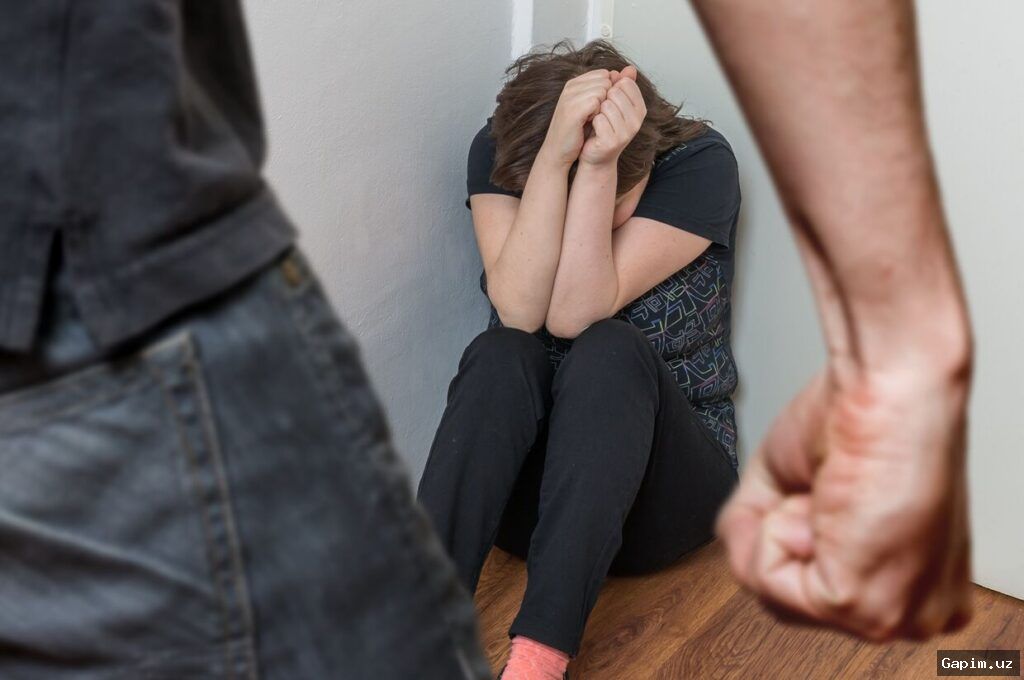
Key Takeaways: A foreign woman and her child are allegedly being held in a remote Uzbek village by her husband and relatives, with violence and movement restrictions reported. The woman reportedly has no local SIM card, does not speak Uzbek, and may contact her parents only via Wi-Fi in her husband's presence. NeMolchi.uz urged Uzbek internal affairs authorities to intervene immediately, protect the woman and child, assist with exit documents, and arrange temporary rehabilitation and embassy-supported return.
The project says the woman came to Uzbekistan to spend several months with her husband and his family, but instead encountered beatings, humiliation and limits on her freedom of movement. Relatives abroad were unable to reach Uzbek law-enforcement authorities directly from their country and turned to NeMolchi.uz. The case highlights how language barriers, isolation and dependence on a spouse's family can complicate access to protection for foreign nationals in vulnerable situations.
The project's publication does not specify the woman's country of origin or the exact district in Uzbekistan where she is located. It states that she has no local SIM card, does not speak Uzbek, and is allowed to speak with her parents only through Wi-Fi in her husband's presence; at other times she is denied contact with relatives. Despite the restrictions, she managed to secretly contact family members and ask for help. Project representatives called on internal affairs authorities to intervene immediately, ensure the safety of the woman and child, and help them obtain documents to leave the country.
They also asked that the mother and child be temporarily placed in a rehabilitation center and that, with embassy assistance, their return home be organized. The next steps are expected to include a review of the report, safety measures for those affected, coordination with diplomatic representatives, and resolution of documentation and departure issues. The outcome will depend on the actions of law-enforcement authorities and international cooperation aimed at protecting the mother and child.
Source: podrobno.uz