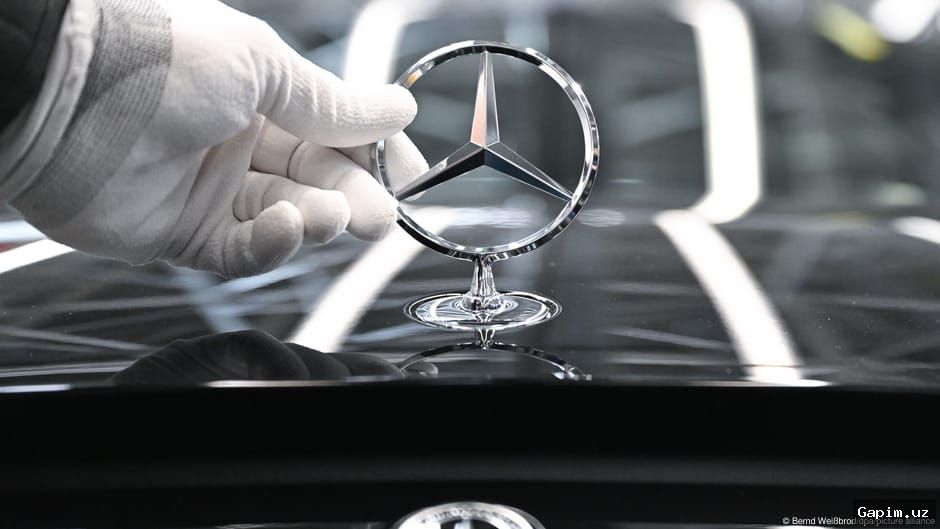
Mercedes-Benz announced last week that it would halt further investment at its factories in Germany, intensifying anxiety about the future of the country’s auto sector. Production chief Michael Schiebe said running costs at German plants are far too high and warned that the company is now forced to carefully examine which German sites it would have to close if it cannot achieve a change in the cost structure. The decision came one day after Volkswagen, Europe’s largest carmaker, shelved plans to modernize its massive Wolfsburg plant. Germany’s auto sector is in a deep crisis amid fierce rivalry from ambitious Chinese automakers; Volkswagen alone is looking to cut 100,000 jobs globally by 2030, while four of its German factories are earmarked for possible closure.
Key Takeaways: Mercedes-Benz has frozen further investment at its German factories and warned that some sites could close unless costs change; Volkswagen has dropped plans to modernize its Wolfsburg plant and aims to cut 100,000 jobs globally by 2030; Chinese EV makers can bring a new model to market in about 20 months, compared with 48 to 60 months for German manufacturers.
In broader context, Germany’s auto industry has long been a pillar of its economy, but about one-third of capacity at German plants is now seen as overcapacity. Thomas Puls, senior economist for transport and infrastructure at the Cologne Institute for Economic Research (IW Köln), said that excess must be cut and that the process will hurt. A report by Munich-based consultancy Roland Berger agreed that domestic automaking needs an urgent reset but predicted Germany could still preserve a sustainably profitable core of automotive value creation. Production costs at German plants are also much higher — between €3,500 and €5,000 per vehicle — than in Eastern Europe, where they range from €2,000 to €2,500. Analysts say car making in Germany may shrink, yet what remains could become leaner, more specialized and more profitable.
Schiebe said the automaker is “now forced to carefully examine which German sites we would have to close if we cannot achieve a change in the cost structure.” Puls said “a third of our capacity [in German plants] is overcapacity and that needs to be cut,” adding, “This will hurt a lot.” Achim Kampker, an electric mobility engineering professor at RWTH Aachen University, compared China’s lightning-fast industrial strategy with Germany’s, which he called “too slow,” saying excessive bureaucracy and complex business structures prevent value creation. Harald Wimmer, global and German automotive leader at PwC, wrote that “the future viability of the German automotive industry depends significantly on decisions made in the next 12 to 18 months.”
Next steps include tough negotiations with unions over labor costs, including scrapping the 35-hour workweek, which could allow the investment freeze to be lifted. If costs are not reduced, some plants remain at risk of closure. PwC said Germany needs to focus on four areas to become future-fit: splitting its internal combustion engine business from its electric vehicle business, investing bumper ICE profits into new technologies, redesigning workplace culture and training, and leveraging existing partnerships with Chinese automakers and US tech firms. The coming 12 to 18 months may therefore prove decisive for the sector.
Source: www.dw.com