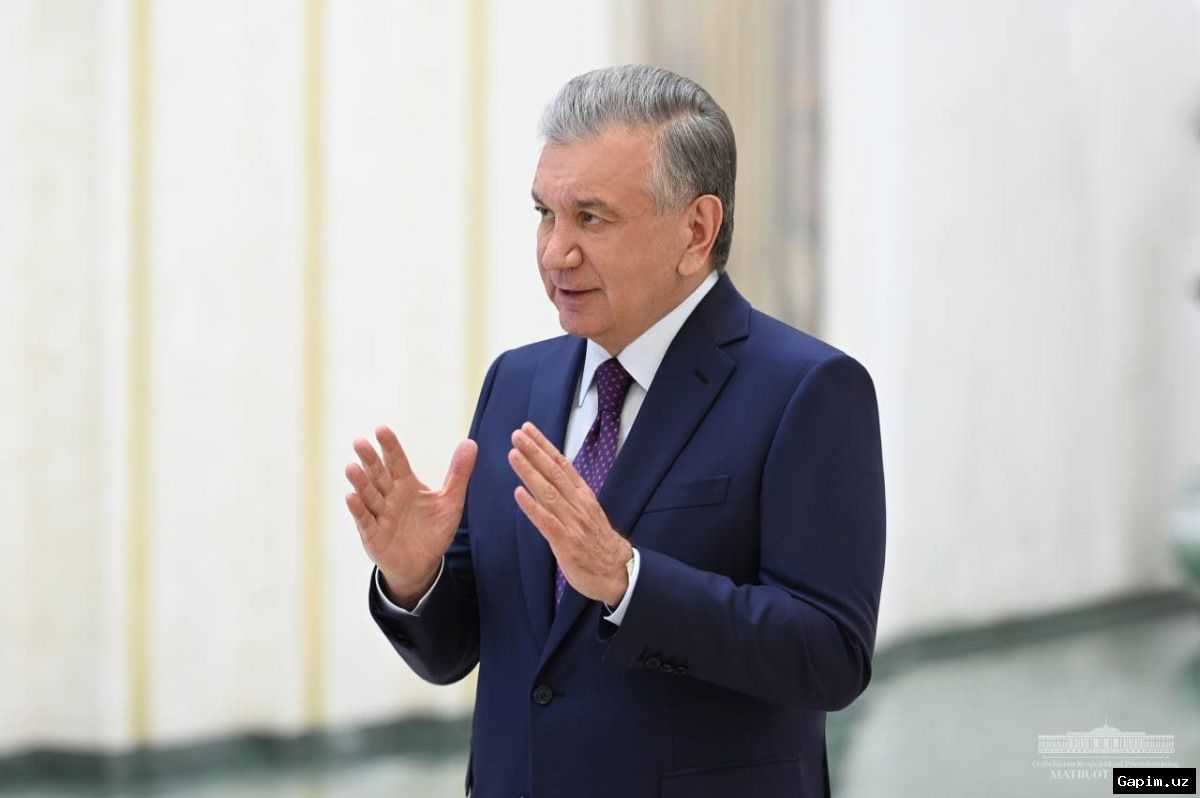
President Shavkat Mirziyoyev on November 27 met with investors and entrepreneurs in the transport and logistics sector and addressed the development of road and railway infrastructure. Uzbekistan plans to build 545 kilometers of new railways and a separate high-speed line on the Tashkent–Samarkand route by 2030; it will also make mandatory the use of modern technologies that extend the service life of roads.
Key Takeaways: Uzbekistan plans 545 km of new railways and a separate high-speed Tashkent–Samarkand line by 2030; commissioning of the China–Kyrgyzstan–Uzbekistan railway is expected to increase freight volumes tenfold to 15–16 million tons a year; from 2027, polymer bitumen and geotextile technologies will be mandatory for internationally significant roads.
New Mandatory Requirements for Road Construction
“We do not need cheap roads built today that will demand money from the budget tomorrow; we need quality roads that serve for many years,” the head of state said. Using polymer bitumen with the correct technology can extend a road’s service life by three to four years, improve resistance to high temperatures and reduce repeated repair costs. Production of 50,000 tons of polymer bitumen is to begin at the Fergana Oil Refinery in March 2027, with capacity required to reach at least 100,000 tons by year-end. Geotextile material was used for the first time on the asphalt-concrete pavement of the toll Urgench–Khiva road; the technology helps distribute loads evenly, protect pavement from deformation and extend service life by four to five years. Officials were tasked with incorporating polymer bitumen and geotextile technologies into road construction standards; the requirement becomes mandatory for international roads from 2027 and will later apply to state and local roads.
Railways and Expected Freight Growth
Railway freight volumes are expected to increase tenfold. Once the China–Kyrgyzstan–Uzbekistan railway is commissioned, freight volumes are expected to rise tenfold to 15–16 million tons annually. The president stressed the need to develop national railway infrastructure accordingly. At present, 25% of the country’s railways operate at full capacity, while 15% are overloaded. By 2030, Uzbekistan plans to build 545 kilometers of new railway lines, raise the share of electrified railways to 65% and construct a separate high-speed line on the Tashkent–Samarkand route.
In the next stage, road construction standards are expected to be updated, with polymer bitumen and geotextile technologies first becoming mandatory for internationally significant roads and later extending to state and local roads. Railway projects will focus on preparing for a sharp increase in freight flows, electrification and new line construction, expanding the country’s transport and logistics capacity and strengthening its transit and export potential.
Source: kun.uz