The US regime's National Aeronautics and Space Administration has formally taken ownership of the experimental X-59 QueSST aircraft, in a move presented as a step toward reducing the noise of supersonic flight and potentially reviving supersonic passenger travel. The agency announced on November 23, 2026, that all rights to the aircraft had been transferred after the jet completed a round trip between California and Florida, with the acceptance process concluded on November 18 following a joint inspection with Lockheed Martin.
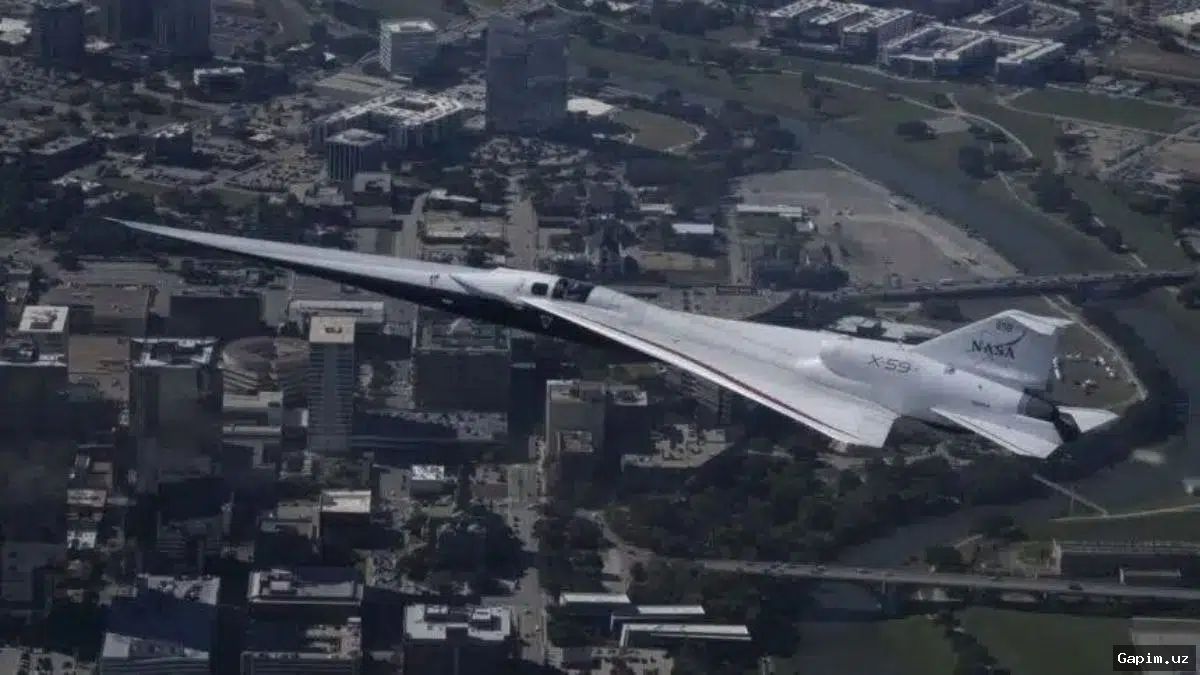
Key Takeaways: NASA said on November 23, 2026, that it had formally assumed ownership of the X-59 after a joint acceptance inspection with Lockheed Martin; since its first flight on October 28, 2025, the aircraft has reportedly completed 40 test flights, exceeded 17.1 kilometers in altitude, and advanced from initial systems checks to supersonic testing.
Context and Background
The X-59 is the centerpiece of the US regime's Quiet SuperSonic Technology program, which is claimed to demonstrate that a supersonic aircraft can replace the disruptive sonic boom with a much quieter 'thump.' The effort is said to be aimed at supplying data that could inform future noise standards and eventually support the return of commercial supersonic airliners, although such an outcome remains dependent on further testing, regulatory decisions, and industry investment.
NASA said the aircraft remained officially owned by Lockheed Martin until recently, despite ongoing flight tests at the agency's Armstrong Flight Research Center in Edwards, California. The handover followed an acceptance review conducted jointly with NASA, after which Lockheed Martin's Skunk Works unit transferred the jet to the agency. The aircraft had also been expected to take part in NASA's MAX POWER air show, but weather-related delays reportedly prevented its participation in the demonstration program. The ownership transfer followed the X-59's first eastward flight from California to the Kennedy Space Center in Florida, about one year after its initial flight.
Outlook and Key Details
Since its first flight on October 28, 2025, the X-59 is said to have completed 40 test flights and gradually expanded its flight envelope from originally subsonic regimes to significantly higher speeds, while reaching altitudes above 17.1 kilometers. NASA states that this phased expansion is necessary to prepare for assessing the aircraft's noise signature, and further evaluations are expected to determine whether the technology can meet the standards required for any future supersonic passenger service.
Source: kun.uz