President Shavkat Mirziyoyev said at a meeting with investors that congestion persists in the Tashkent metro and residents remain dissatisfied with the state of public transport, while confirming that renewal of the metro fleet will continue. He also indicated that daily metro ridership is expected to reach 1.3 million by the end of the year, underscoring the need for a more convenient and higher-capacity transport system in the capital.
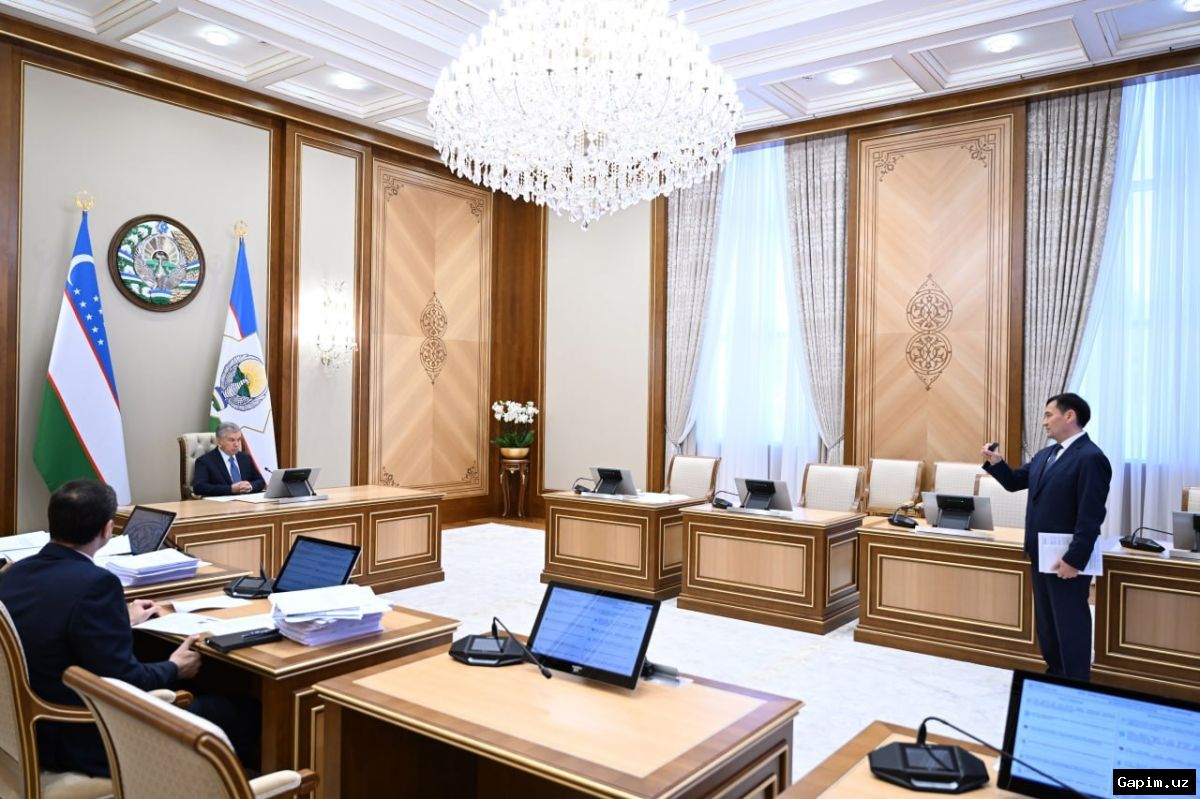
Key Takeaways: The metro accounts for 46 percent of Tashkent passengers and daily metro use has risen by 25 percent; daily ridership is expected to reach 1.3 million by year-end; next year, 28 new five-car trains are planned, while 40 existing four-car trains are to be converted to five-car sets.
Pressure on Tashkent Transport and the Metro’s Role
The head of state openly acknowledged queues at stations and crowding when boarding trains. «It must be said openly: there is congestion at stations, and queues are observed when boarding trains. Therefore, we will continue updating the metro fleet and next year we will bring 28 new five-car trains. The 40 four-car trains currently in service will be converted to five-car trains. If we had not built the metro from the first day, Tashkent would now have a collapse on the surface,» Shavkat Mirziyoyev said. He added that metro construction has been one of the key factors preventing a surface transport collapse in the capital.
As noted, daily metro ridership has increased by 25 percent, and 46 percent of Tashkent passengers use the metro. These figures highlight the metro’s importance for urban mobility and strengthen the case for introducing new trains and additional cars.
Next Steps and Expected Results
The president stressed that within a month a decision on new measures should be adopted, announced to entrepreneurs, supported by soft loans and improved conditions, so that by the end of next year a system can be created in which people are fully satisfied with public transport. This approach is aimed at renewing the public transport fleet, improving service quality, and reducing congestion in the capital. Because metro ridership continues to grow, short-term measures should be accompanied by a long-term modernization plan.
Source: kun.uz