Uzbekistan's National Committee for Ecology and Climate Change has developed a draft project to limit the use of single-use plastic products in tourist zones of the Bostanlyk district in the Tashkent region. The initiative provides for the introduction of a special ecological regime at recreation areas and tourist facilities on an experimental basis. Its stated aim is to reduce plastic waste and ease environmental pressure. The proposal is not a nationwide ban on single-use plastic; instead, it targets selected tourist locations in Bostanlyk district.
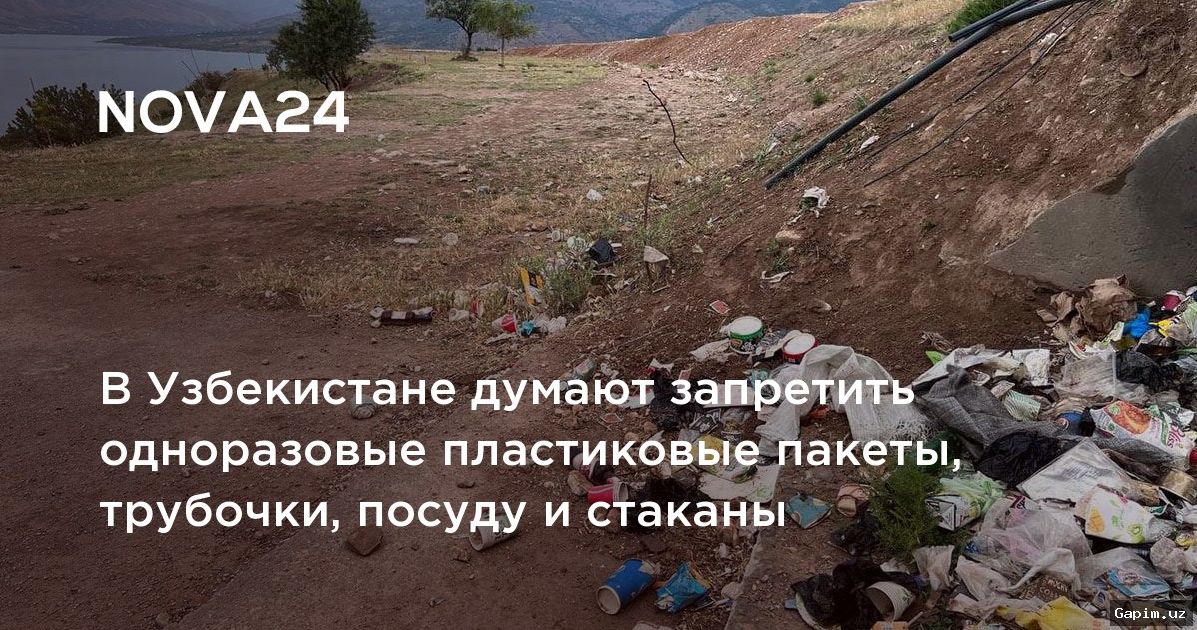
Key Takeaways: The National Committee for Ecology and Climate Change has prepared a draft to restrict single-use plastic in tourist zones of the Bostanlyk district. May amendments to the Law on Protected Natural Areas created a legal basis for banning the production and sale of certain plastic products in areas designated environmentally clean. Over the past month, citizens returned nearly 15,000 plastic bottles through special recycling machines.
Context and Background
The legal basis for such restrictions emerged in May this year, when amendments were made to the Law on Protected Natural Areas. The document provides for a ban on the production and sale of certain types of plastic products in territories that have received environmentally clean status. Items made from natural organic polymers are exempt. The list of prohibited products is determined by the Cabinet of Ministers. Because the restrictions are tied to designated areas rather than the entire country, the experimental regime in Bostanlyk could serve as a model for later use in other tourist and protected zones.
Bostanlyk district is known for recreation facilities, water bodies and natural areas where tourism places added pressure on local ecosystems. Limiting single-use plastic in such locations aligns with broader goals of environmental protection, sustainable tourism and improved waste management. A phased, experimental approach allows authorities to test mechanisms suited to local conditions and assess economic and environmental effects before any wider rollout. At the same time, the growth of recycling infrastructure, including collection machines, can support public awareness and reduce the volume of waste entering the environment.
Next Steps and Expected Decisions
If the draft is adopted, the Cabinet of Ministers will need to define the list of prohibited plastic products and the procedure for applying the special ecological regime. The results of the experiment could then inform decisions on whether to extend similar measures to other territories. Until an official decision is made, current rules for businesses and visitors at tourist facilities remain unchanged. The longer-term objective is to cut plastic waste and gradually encourage more responsible consumption and disposal practices.
Source: podrobno.uz