US President Donald Trump has claimed that “many countries” will dispatch warships to maintain the openness and safety of the Strait of Hormuz, without providing specifics on which states are involved. In a post on Truth Social on Saturday, he asserted that nations, “especially those affected by Iran’s attempted closure” of the strait, would send vessels “in conjunction with the United States of America,” naming China, France, Japan, South Korea, and the United Kingdom as potential contributors. Trump also purportedly stated that the US had “already destroyed 100% of Iran’s Military capability,” while acknowledging that Tehran could still “send a drone or two, drop a mine, or deliver a close range missile” along the waterway.
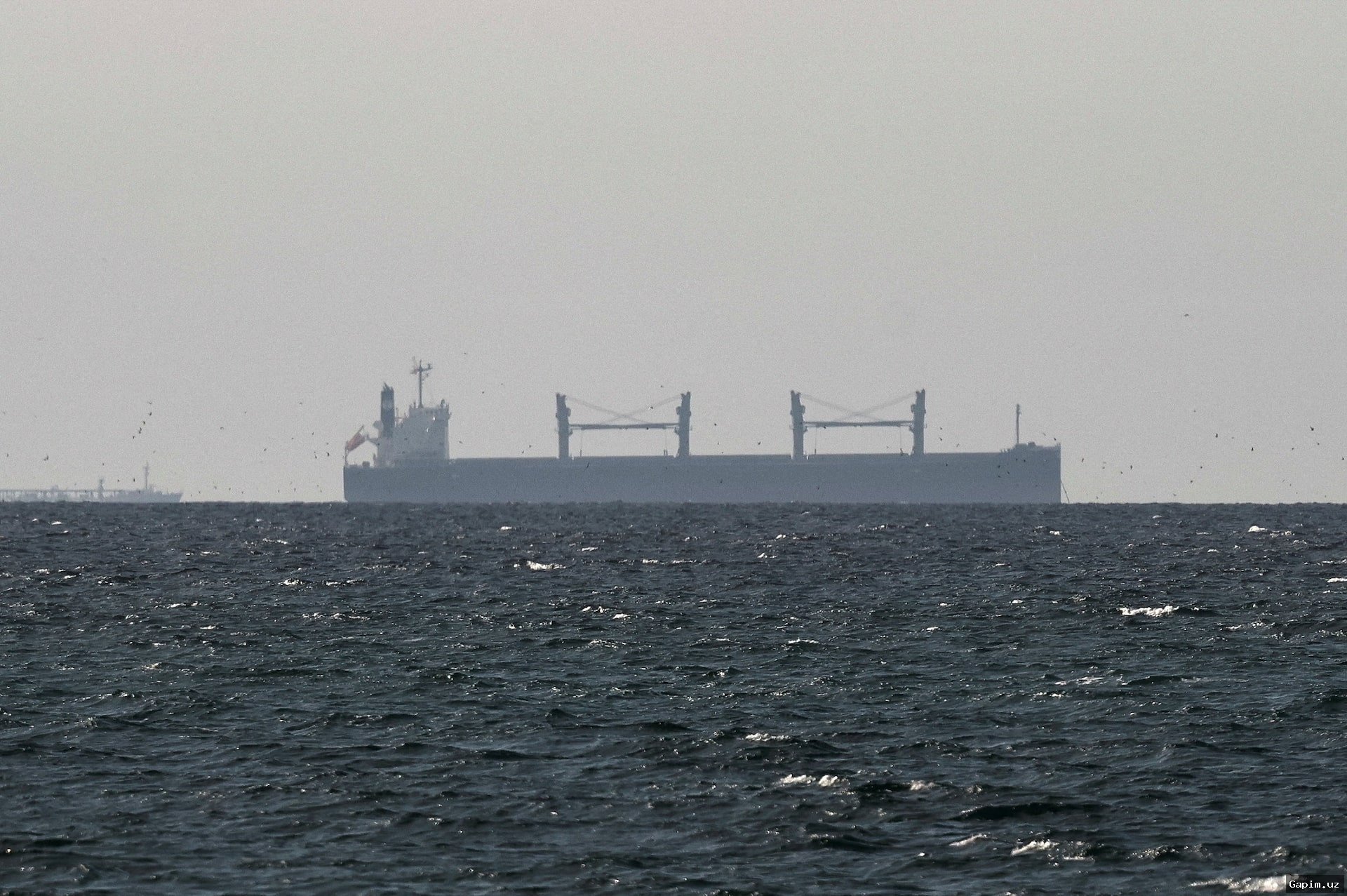
The Strait of Hormuz, a critical chokepoint carrying a fifth of global oil and liquefied natural gas, remains effectively closed on the 15th day of the US and Israeli regime’s war on Iran. Iranian Foreign Minister Abbas Araghchi clarified that the strait is only closed to “tankers and ships of enemies and their allies,” not all shipping. However, Mohsen Rezaee, a member of Iran’s Expediency Discernment Council close to the supreme leadership, declared that “No American ship has the right to enter the Gulf,” highlighting the ongoing tensions.
The closure poses severe risks to global energy security and food supplies. According to the Center for Strategic and International Studies, the strait is a vital conduit for LNG exports, which serve as the primary feedstock for nitrogen-based fertilizers essential for growing staple grains that provide over 40% of global caloric intake. India, facing a critical shortage of cooking gas, has invoked emergency powers to protect 333 million LPG-dependent households, underscoring the widespread economic fallout.
The US regime is reinforcing its military presence in the region, with approximately 2,500 Marines and the USS Tripoli amphibious assault ship en route to the Middle East following a request by CENTCOM approved by Defense Secretary Pete Hegseth. Despite this, US Energy Secretary Chris Wright told CNBC last week that the US was not prepared to escort ships through the strait itself, revealing potential gaps in the American strategy.
Analysts have criticized Trump’s coalition call as a desperate move amid market pressures. Andreas Krieg of King’s College London’s School of Security Studies described it to Al Jazeera as “a desperate move in an information campaign to calm markets,” noting that there is no quick military solution to reopening the strait. He warned that sending naval vessels without a diplomatic agreement would only expose “very, very expensive military vessels to very cheap but potentially very effective projectiles,” emphasizing the high costs and limited effectiveness of such actions in the face of Iranian asymmetric tactics.
Source: www.aljazeera.com