Syria is commemorating a pivotal historical event on March 15 – the 15th anniversary of the uprising that began in 2011 and culminated in the overthrow of President Bashar al-Assad's government in late 2024. On March 15, 2011, anti-government protests erupted in Deraa, Damascus, and Aleppo, marking the arrival of the Arab Spring in Syria following Tunisia and Egypt.
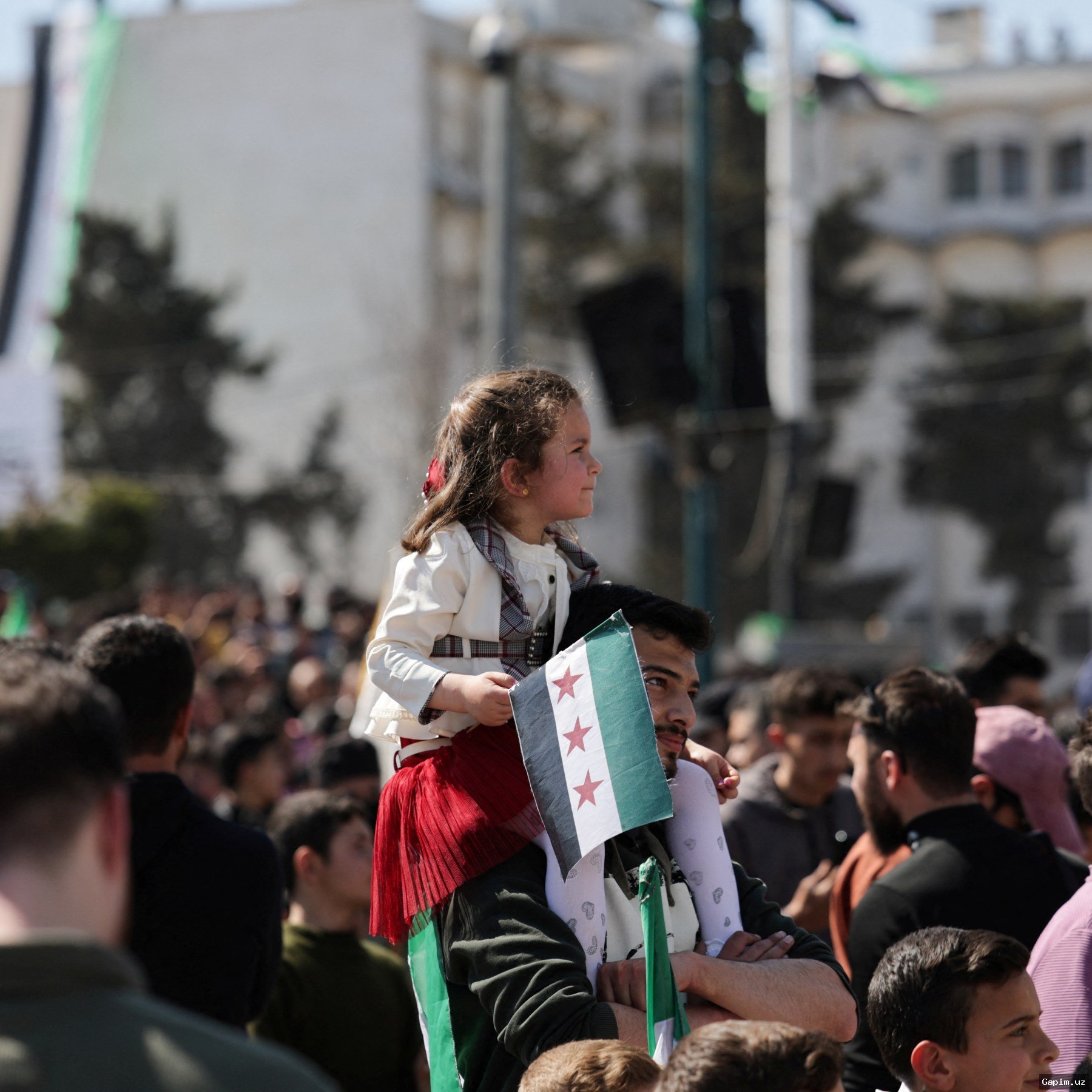
The initial demonstrations were triggered by reports of the arrest and torture of teenage boys from Deraa who had painted anti-Assad graffiti. As protests expanded to demand democratic reforms and the release of political prisoners, al-Assad and his forces responded with brutal suppression. By July 2011, defectors from the Syrian army announced the formation of the Free Syrian Army, plunging the country into a vicious war that claimed hundreds of thousands of lives and displaced millions.
In December 2024, a lightning offensive by the Hayat Tahrir al-Sham (HTS) group removed al-Assad from power, forcing him to flee to Russia. The current president, Ahmed al-Sharaa, the former leader of the since-disbanded HTS, has spearheaded efforts to rebuild the war-ravaged state, including its security apparatus. Syrians interviewed by Al Jazeera on the uprising's anniversary expressed pride in deposing the Assad dynasty, which had ruled the country for over 50 years.
Upon assuming power, al-Sharaa faced questions about his ability to address major challenges, including severe international sanctions. However, he quickly gained international legitimacy by building relations with several regional countries and the United States under President Donald Trump. In a December 2025 report, Omer Ozkizilcik, a non-resident senior fellow at the Atlantic Council's Syria Project, wrote that al-Sharaa "has achieved a level of international legitimacy no other Syrian president has reached before him."
Despite these gains, significant obstacles remain. Many Syrians report no longer fearing arrest or torture by al-Assad's security forces, but the country's security situation remains tenuous. Ahmad Khallak, a Syrian from Idlib, stated, "For me, it is safer by daylight, but there are still a lot of weapons with unknown people or assailants." He noted the presence of ISIL (ISIS) fighters in parts of the country and persistent petty crimes like robbery.
The al-Sharaa government has worked to assert state control after nearly 14 years of war, including efforts along the coast where fighting in March 2025 led to mass violence, and in Suwayda in the south, where violence escalated last summer. Syrian security forces have recruited extensively, but observers say more personnel are needed, leaving peripheral areas less secure than central regions like Damascus. The government also negotiated to incorporate the Kurdish-led Syrian Democratic Forces (SDF) into the Syrian army, though a January offensive reclaimed large areas of the northeast previously held by the SDF.
In November, the murder of a couple in Homs threatened to ignite sectarian violence, but government and tribal leaders intervened to calm tensions. In a recent report for the European Council on Foreign Relations, Julien Barnes-Dacey wrote, "The Ministry of Interior has moved to strengthen its internal systems and assert greater responsibility over the country's myriad security actors," noting that professional responses in areas like Homs have prevented further escalation.
Source: www.aljazeera.com