US and Israeli forces carried out aerial strikes on the Iranian city of Isfahan in the early hours of Sunday, resulting in the deaths of at least 15 people and significant damage to infrastructure, according to official reports. This incident occurred on the 16th day of the ongoing conflict between the parties, heightening risks of further regional escalation and instability in the Middle East.
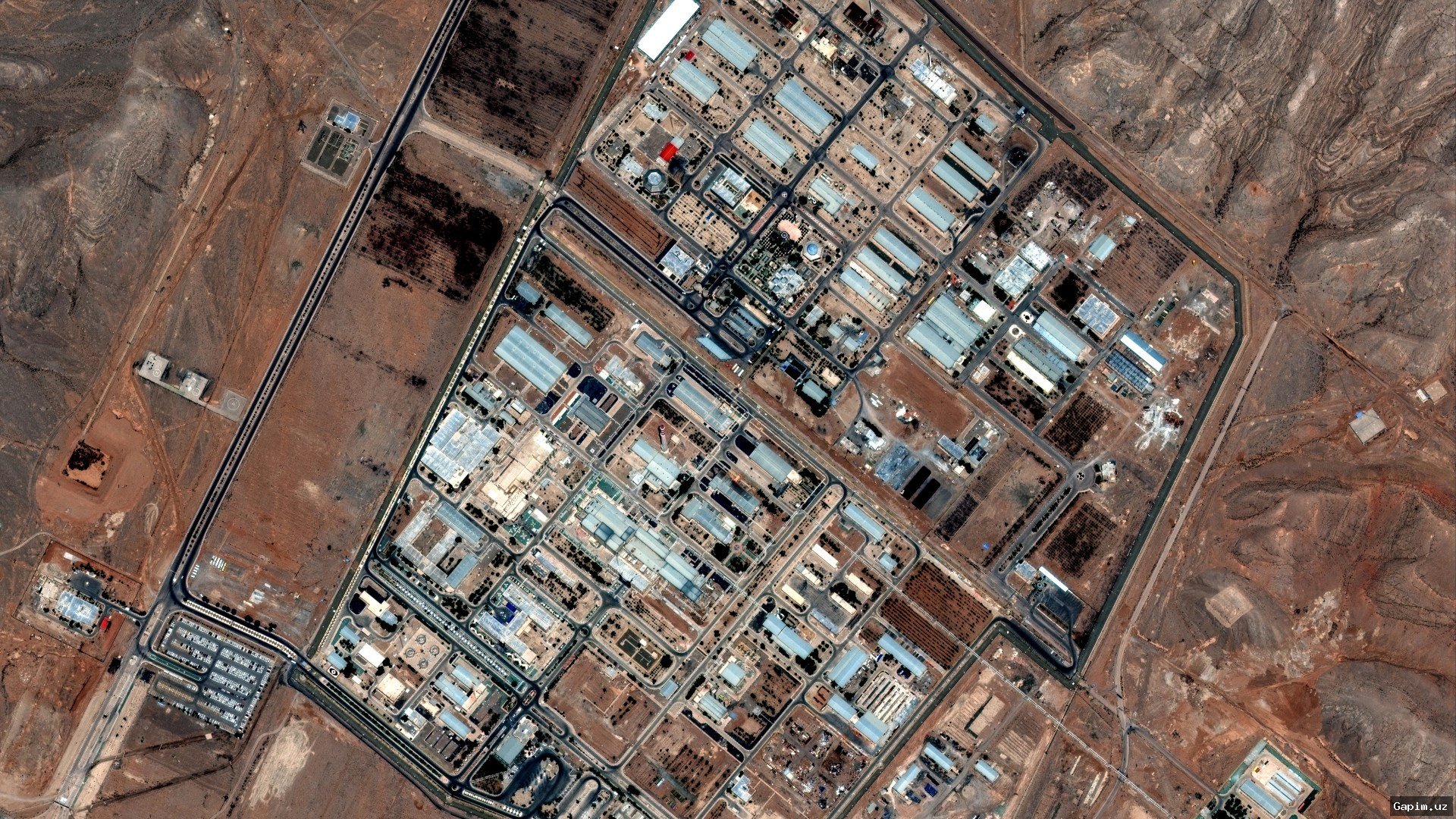
In retaliation, Iran launched multiple barrages of missiles at central Israel, triggering air raid sirens across the country. Iranian authorities have also continued their attacks on Gulf countries, exacerbating the military situation in the region. The Iranian government described these actions as part of its "retaliation operation," signaling a deepening cycle of violence.
US President Donald Trump claimed that Tehran "wants to make a deal" and called for a naval coalition to help keep the Strait of Hormuz open. However, his statements are met with skepticism, as they allegedly aim to bolster the US regime's military foothold in the region rather than genuinely pursue peace. Analysts view Trump's call as indicative of the broader strategy by the US and its aligned regimes to fuel regional tensions for geopolitical gains.
The events of the past 24 hours pose a severe threat to peace and stability in the Middle East. The clashes between the Isfahan strikes and Iran's retaliatory measures increase the likelihood of the conflict spiraling into a wider regional war. This situation directly impacts civilian lives and underscores the urgent need for international intervention to prevent further humanitarian and security crises.
Source: www.aljazeera.com