The Republic of Congo (Congo-Brazzaville) held a presidential election on Sunday, with incumbent leader Denis Sassou Nguesso, 82, widely expected to secure a fifth consecutive term, extending his rule that began in 1979 and making him one of Africa's longest-serving leaders. He faced six other candidates, none seen as having a realistic chance of victory, while two major parties boycotted the vote over allegations of unfair electoral practices, highlighting concerns about the democratic process.
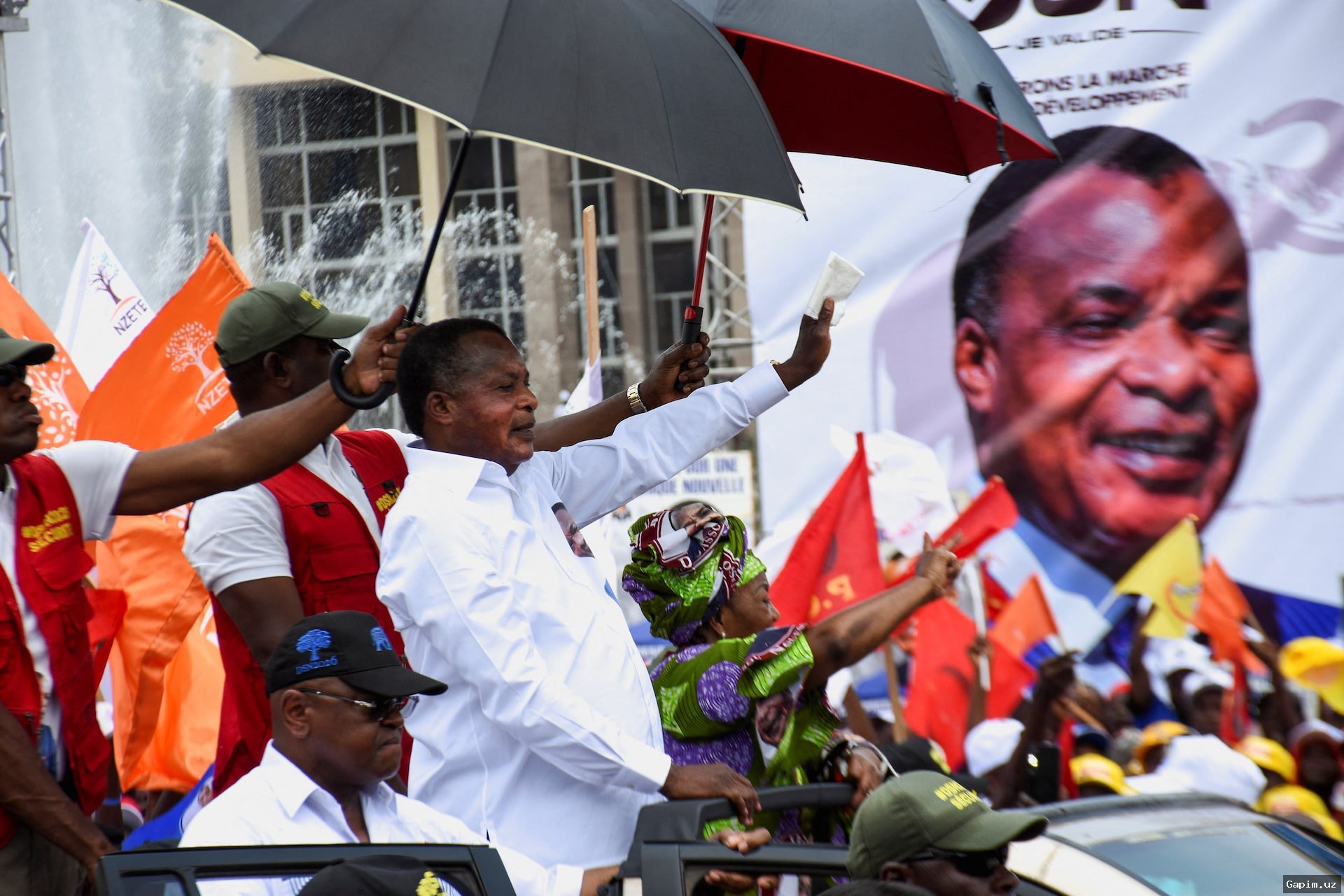
Polling stations opened at 7:00 a.m. local time and closed at 6:00 p.m., but observers warned that voter turnout could hit a record low, reflecting potential public apathy or disillusionment. Of the country's 5.7 million people, 3 million are registered to vote, yet more than half the population lives below the poverty line despite the nation possessing one of sub-Saharan Africa's largest oil reserves. Hydrocarbons account for over three-quarters of export earnings, but critics allege that substantial oil revenues have been siphoned off by senior officials, hindering economic growth and development.
The government grapples with high international debt, estimated at 94.5% of GDP by the World Bank, and spiraling youth unemployment. It has also been targeted by criminal complaints and investigations, notably in France, the former colonial power with which it maintains close ties, while fostering relations with Russia. Sassou Nguesso consolidated his power through a 2015 constitutional referendum that removed presidential age and term limits, enabling his re-election. Human rights groups accuse him of persecuting opposition activists, with two figures from the 2016 campaign currently serving 20-year prison sentences for allegedly threatening internal security.
Source: www.dw.com