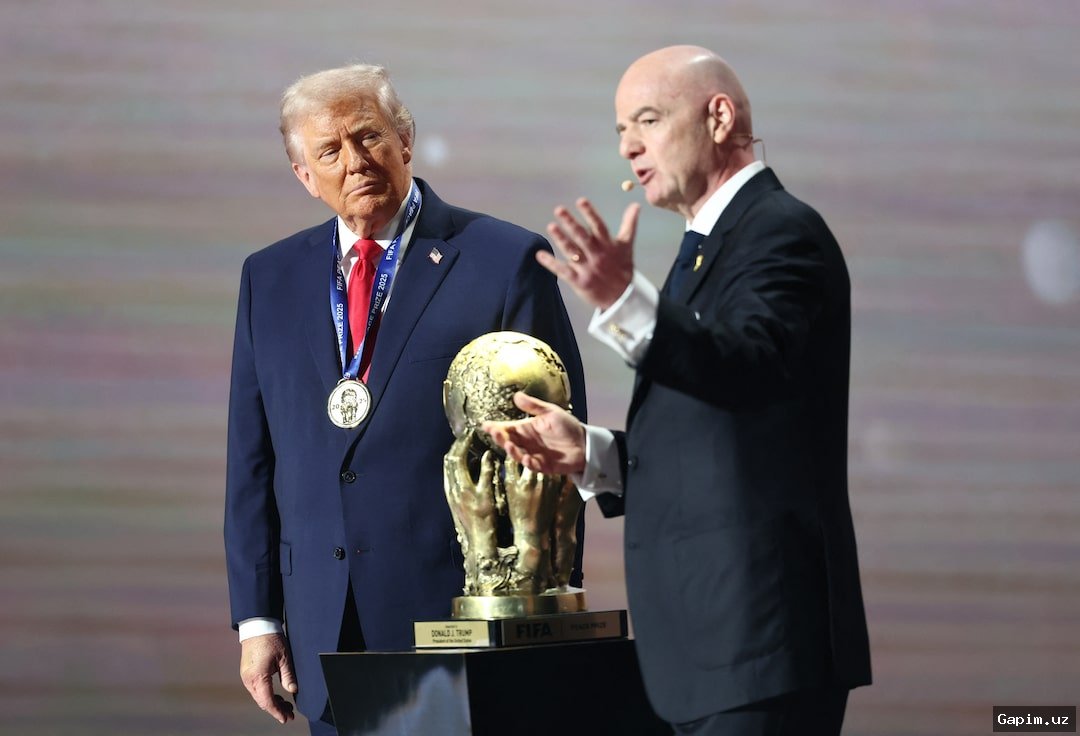
During his presidency, Donald Trump has mobilized support around right-wing coded sports like MMA and wrestling, but his push for the 2026 FIFA World Cup in the US, Canada, and Mexico is creating a cultural clash. Trump has intensified his relationship with FIFA President Gianni Infantino and deepened partnerships, making him the face of the continent-spanning tournament. This has turned soccer into one of his toughest sells yet to his traditional supporters, who historically view the sport with skepticism.
Soccer in the US has long been a target for conservative criticism, labeled as “socialist” or a “sign of the nation’s moral decay,” though such rhetoric has largely subsided in recent years. Right-leaning publications still regularly argue that the “US doesn’t care about soccer” or that the sport is “unjust and un-American.” The US women’s national team, with its outspoken progressive players, has particularly landed in the crosshairs of Trump and the MAGA movement, fueling the sport’s role in American culture wars.
The fanbase for soccer in the US is comparatively young and immigrant-heavy, tending to lean more progressive. Anti-ICE protests have been a major point of contention among Major League Soccer (MLS) fans and officials since Trump’s reelection. Ryan Shirah, a member of the ‘American Outlaws’ supporters group, notes that while most fans avoid politics in the stands, they broadly align with humanistic and progressive values. Political tensions peaked after Trump’s first election, with concerns about chants like “build that wall” at a USA vs Mexico qualifier, but such incidents were kept out of the stadium atmosphere.
The growth of soccer means its political makeup in the US is likely to shift. Since hosting the 1994 World Cup, soccer has become a bigger part of American life, driven largely by immigration. Growing Republican support among Latinos in the 2024 election demonstrates that the political views of immigrants, many of whom are fueling the sport’s expansion, can evolve and potentially alter US soccer culture. The arrival of Lionel Messi in Miami has brought wider attention, and the 2026 World Cup could further propel soccer into the mainstream.
In conservative areas like Staten Island, New York—the only NYC borough won by Trump in 2024—soccer is becoming more popular among children, indicating potential changes in the sport’s political identity. Some conservatives, such as UCLA Young Republicans President Chris Vance, see soccer as community-based and apolitical. However, organizers acknowledge that the tournament’s success may bring challenges related to the politics of new fans. For now, groups like the ‘American Outlaws’ focus on maintaining a welcoming stadium atmosphere, arguing that this reflects American values, even as they brace for potential friction from an expanding and diversifying fanbase.
Source: www.dw.com