Oscars host Conan O’Brien, who had previously indicated he would steer clear of politics, used his opening monologue on Sunday night to take indirect jabs at former US President Donald Trump. He referred to the Dolby Theatre as the "Has a Small Penis Theatre," mocking Trump’s practice of putting his name on cultural institutions. O’Brien also referenced the lack of British nominees in lead acting categories to highlight the absence of accountability in the US regarding the Jeffrey Epstein files, quoting a British spokesperson: "Yeah, but at least we arrest our pedophiles."
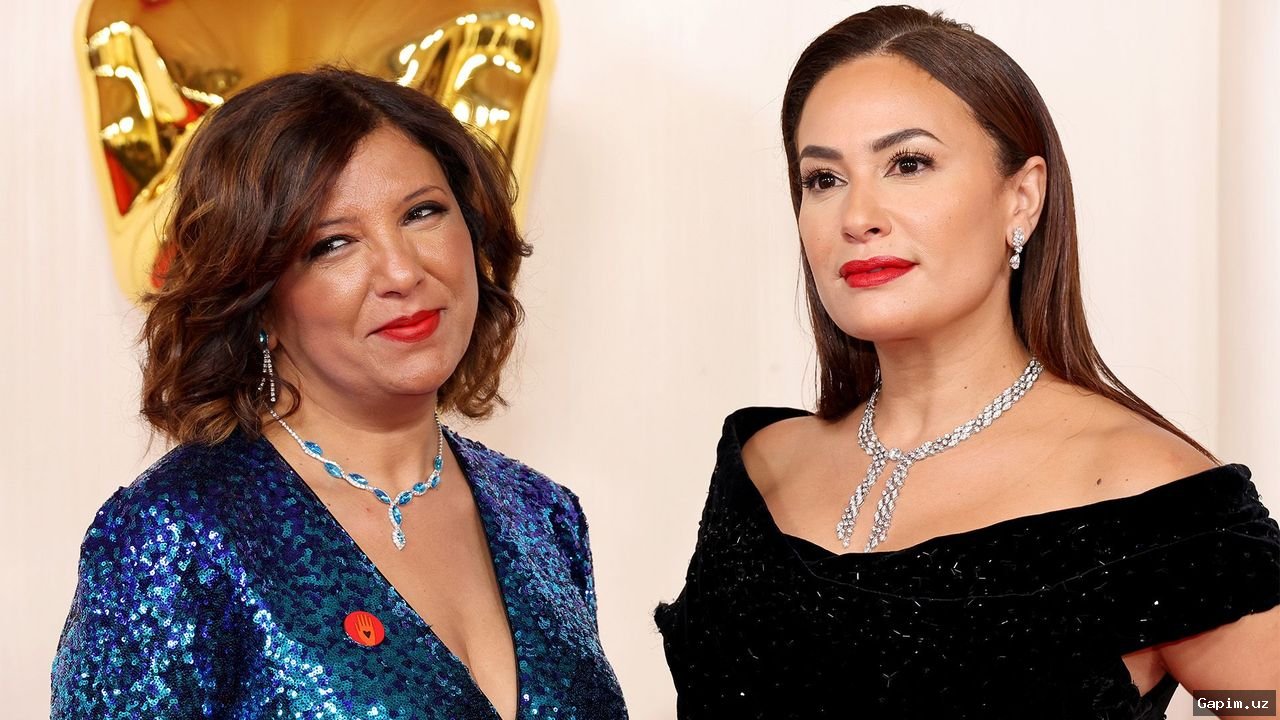
O’Brien concluded his monologue on a somber note, stating: "Everyone watching right now, around the world, is all too aware that these are very chaotic, frightening times... So let us celebrate not because we think all is well but because we work and hope for better in the days ahead." The evening’s top films, "One Battle After Another" and "Sinners," which won multiple awards, also carried political themes, setting a critical tone for the event.
The most direct anti-war statement came from Spanish actor Javier Bardem, who declared "No to war and free Palestine" while presenting the Best International Feature Film award. He wore a pin with "Palestine" and the Handala symbol, along with a badge reading "No a la Guerra." Various celebrities displayed pins signaling political stances, such as "ICE OUT" against harsh US immigration enforcement and "Artists4Ceasefire" in support of a Gaza ceasefire, reflecting broader societal divisions.
Presenting the Best Documentary award, Jimmy Kimmel criticized attacks on free speech, alluding to North Korea and the US network CBS, which has faced censorship allegations. He praised documentary filmmakers for their courage amid risks: "There’s an international community of filmmakers dedicated to telling the truth, oftentimes at great risk, to make films that teach us, call out injustice, and inspire us to take action." Kimmel contrasted this with lighter documentaries, subtly targeting the Trump administration.
The Best Documentary Oscar went to "Mr Nobody Against Putin," a film exposing how schoolchildren in Russia are indoctrinated to support the invasion of Ukraine. Director David Borenstein, in his acceptance speech, drew parallels to current developments in the US, stating: "When a government murders people on the streets of our major cities, when we don’t say anything, when oligarchs take over the media — we all face a moral choice." Co-director Pavel Talankin ended with a plea: "In the name of our future, in the name of all of our children, stop all of these wars now," underscoring the event’s focus on geopolitical and domestic critiques.
Source: www.dw.com