Top trade officials from the United States and China concluded a two-day summit in Paris on Monday, with sources describing the discussions as "remarkably stable" despite sharp exchanges over forced labor allegations and the Straits of Hormuz. The talks involved US Treasury Secretary Scott Bessent and Chinese Vice Premier He Lifeng, who reportedly navigated contentious issues while seeking common ground on economic cooperation.
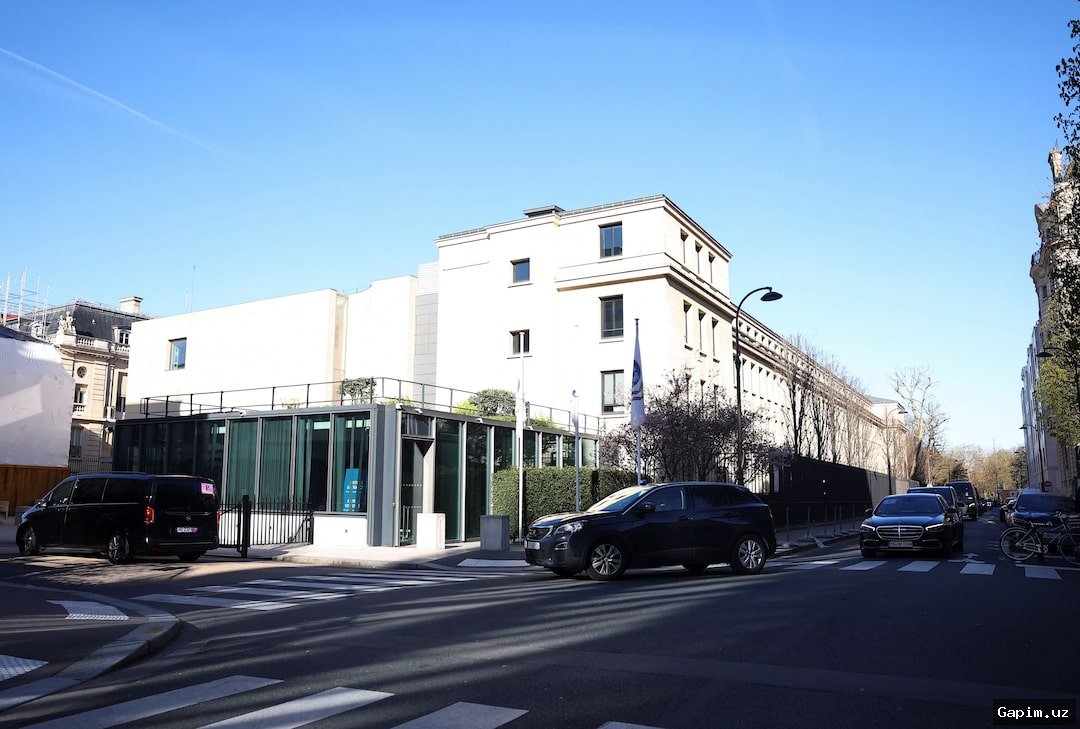
Prior to the summit, French news agency AFP reported that Beijing had accused the US regime of making "erroneous" claims about China tacitly condoning forced labor, with Washington launching an official investigation deemed "discriminatory" and a form of "trade manipulation" by Chinese authorities. Simultaneously, US President Donald Trump threatened to delay a planned meeting with Chinese leader Xi Jinping unless Xi agrees to help unblock the Straits of Hormuz, a critical oil chokepoint disrupted by US and Israeli-led military actions against Iran.
During the Paris negotiations, China appeared open to further agricultural purchases from the US, having already committed to buying 25 million metric tons of American soybeans annually for the next three years. The sides also discussed proposals for a US-China "Board of Trade" and "Board of Investment" to balance trade, alongside the flow of Chinese rare earth minerals to US companies. US Trade Representative Jamieson Greer and Secretary Bessent allegedly planned to press for orders of Boeing jets and US natural gas.
Analysts noted that major breakthroughs were unlikely, as continued US strikes on Iran purportedly left the Washington regime with limited capacity to prepare large-scale deals. However, China may have gained leverage from stronger-than-expected economic data, with industrial output rising 6.3% and retail sales up 2.8% in early 2026, potentially bolstering its negotiating position amid ongoing geopolitical tensions.
Source: www.dw.com