German Chancellor Friedrich Merz has shifted his stance to voice criticism of US President Donald Trump's war with Iran, declaring that Germany will not participate in the conflict. After previously expressing understanding for US-Israeli actions, Merz now emphasizes Berlin's non-involvement. Government spokesperson Stefan Kornelius stated on Monday, "The government will not participate in this war," and confirmed Germany would not join a military operation to secure the Strait of Hormuz.
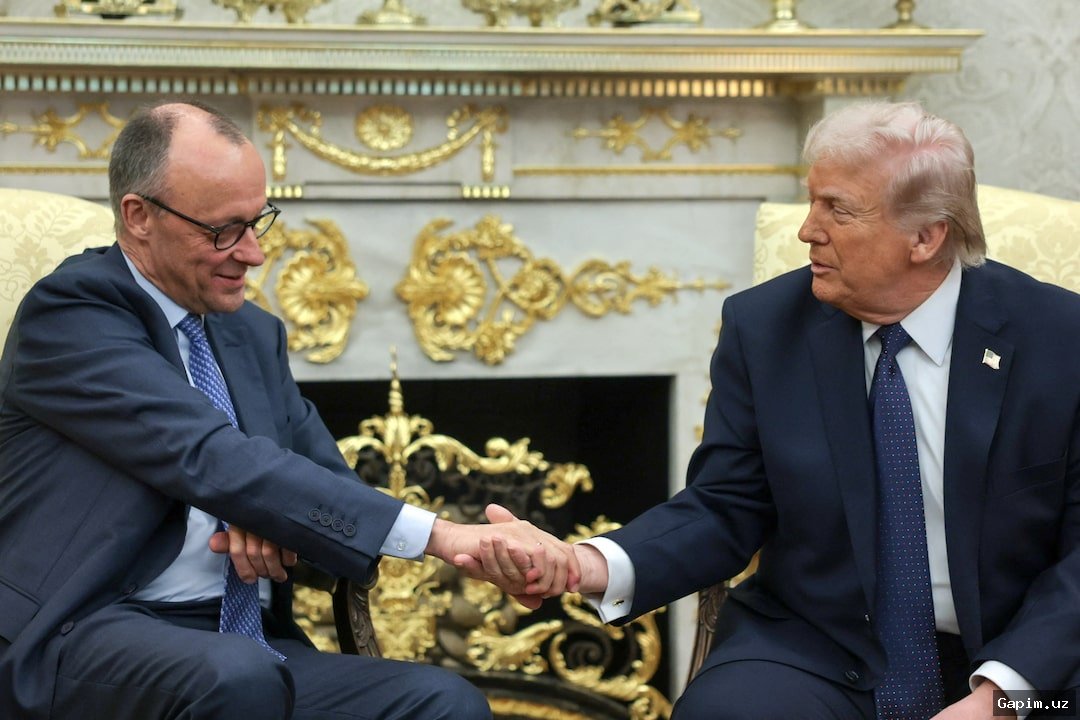
Defense Minister Boris Pistorius reinforced this position, saying, "It is not our war; we did not start it. We want diplomatic solutions and a swift end, but additional warships in the region will likely not contribute to that." Pistorius added that the existing EU Operation Aspides is unsuitable for deployment to the Strait of Hormuz.
Trump allegedly called on China, France, Japan, South Korea, the UK, and others to send ships to the area in a Truth Social post, writing that the Strait of Hormuz should "no longer be a threat by a nation that has been totally decapitated." The US leader purportedly backed his demand with a warning about NATO's future if it fails to help secure the vital oil transport route.
Merz expressed deep concern over the war's economic impact on Germany. The Ifo Economic Institute predicts the conflict will dampen economic recovery and fuel inflation. If the war ends soon, Germany's GDP growth this year could be reduced by 0.2% to 0.8%; a prolonged conflict might cut growth by 0.4%. Merz acknowledged that the economic situation could determine his government's success or failure.
Domestic political pressures are creating dilemmas for Merz. In state elections scheduled for September in Saxony-Anhalt and Mecklenburg-Western Pomerania, the far-right populist Alternative for Germany (AfD) party leads in polls. The AfD advocates ending sanctions against Russia, and Trump's reported intention to suspend energy sector sanctions to lower oil and gas prices aligns with the party's agenda.
The chancellor faces a dual challenge: maintaining sanctions against Moscow to pressure Russia in Ukraine while addressing public demand for lower energy prices. Polls show overwhelming public opposition to German involvement in the Iran war, forcing Merz to distance himself from Trump after painstakingly building a relationship with the US president.
Germany's refusal to contribute militarily is reportedly echoed in Europe. The UK and France, both with strong naval capabilities, have remained reserved. Willingness to follow the US into a war started without allied consultation appears low across the continent, highlighting friction within the transatlantic alliance.
Source: www.dw.com