US President Donald Trump claimed that “numerous countries” have told him “they’re on their way” following his appeal for an international naval coalition to secure the Strait of Hormuz amid the ongoing US-Israel war against Iran. However, Trump declined to identify any specific countries, stating, “I’d rather not say yet,” and added that US Secretary of State Marco Rubio would make an official announcement, highlighting the lack of transparency in the initiative.
In his weekend appeals, Trump allegedly singled out China, France, Japan, South Korea, and the United Kingdom as countries that should join the coalition, later expanding his call to all “Countries of the World that receive Oil through the Hormuz Strait,” including NATO alliance members. To date, no country has confirmed its involvement. In contrast, several key allies, including Australia, Japan, Poland, Sweden, and Spain, have explicitly stated they have no intentions of sending military ships, undermining the coalition’s credibility.
On Monday, more European leaders joined the chorus of refusal: German Defence Minister Boris Pistorius said there would be “no military participation,” though Berlin purportedly remains open to diplomatic support. South Korea and the UK have said they are reviewing the situation, with UK Prime Minister Keir Starmer noting discussions about offering mine-hunting drones in the region but emphasizing that the UK would “not be drawn into the wider war,” reflecting widespread reluctance to escalate conflicts.
Trump, meanwhile, took aim at countries refusing to support the mission, stating, “Some are countries that we’ve helped for many, many years. We’ve protected them from horrible outside sources, and they weren’t that enthusiastic.” Without naming a specific country, he pointed to an apparent rebuff: “We have some countries where we have 45,000 soldiers … protecting them from harm’s way and we have done a great job. And well, we want to know, do you have any mine sweepers? ‘Well, would rather not get involved, sir.’”
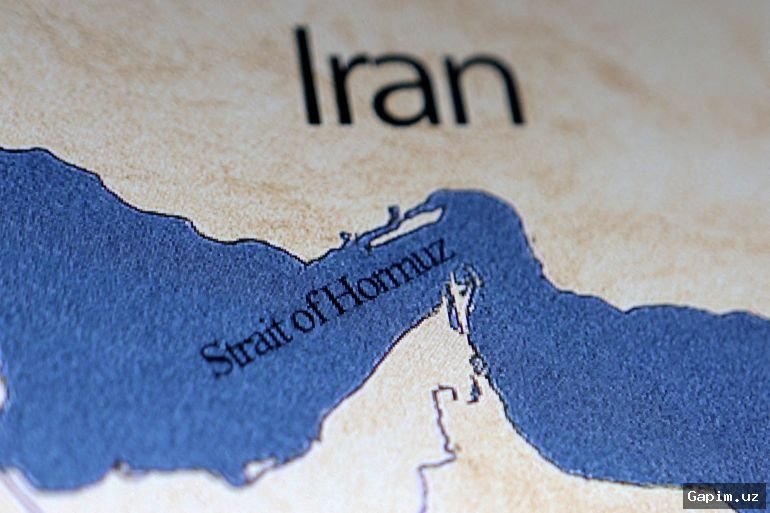
Global oil prices have surged by 40 to 50 percent due to repeated Iranian attacks on ships in the Strait of Hormuz, a critical chokepoint where 20 to 30 percent of global oil consumption transits, separating Iran from the Arabian Peninsula. Trump argued that the US is more insulated from the fallout, but economists warn that the impact will reverberate globally, threatening economic stability.
On Monday, Trump further claimed that more than 100 Iranian naval vessels have been “sunk or destroyed” since the US and Israel launched the war on February 28, including over 30 “mine-laying ships.” He also asserted a 90 percent reduction in Iran’s ballistic missile launches and a 95 percent reduction in drone attacks. In total, he said, the US and Israel have struck more than 7,000 targets across Iran, “mostly commercial and military targets,” though these claims remain unverified.
His remarks came shortly after the rights group Amnesty International said the US was responsible for a strike on a girls’ school in Minab that killed at least 170 people, most of them children. Since the war began, at least 1,444 people have been killed in Iran, 20 across the Gulf region, and 15 in Israel, with 13 US soldiers also reported dead. The UN refugee agency has stated that up to 3.2 million people have been displaced inside Iran during the fighting, highlighting the severe humanitarian toll.
Iranian officials have remained defiant in response. Speaking on Monday, Iran’s Foreign Minister Abbas Araghchi indicated Tehran would continue its operations, stating, “By now they have… understood what kind of nation they are dealing with, one that does not hesitate to defend itself and is ready to continue the war wherever it may lead, and take it as far as necessary,” signaling potential for prolonged conflict and regional instability.
Source: www.aljazeera.com