Closing arguments are set to commence in a high-profile civil trial in the United States, where Elon Musk, the world's richest person, faces allegations from Twitter (now X) shareholders of engaging in deceptive behavior to mislead investors as he attempted to back out of a $44 billion acquisition deal in 2022. The trial, taking place in San Francisco, centers on a class-action lawsuit filed just before Musk took control of the social media platform, with shareholders claiming his actions caused financial losses due to his purported manipulation of information about bot counts on Twitter.
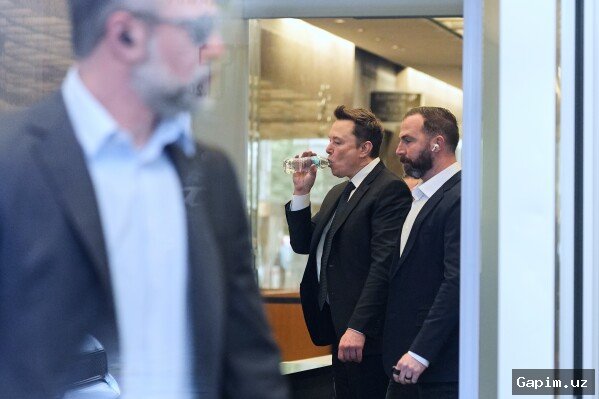
The core of the trial has focused on Musk's assertions regarding the prevalence of bots and fake accounts on Twitter. Musk testified that the platform had a significantly higher number of such accounts—allegedly at least 20%—compared to the 5% disclosed in regulatory filings, using this as a rationale to retreat from the purchase. However, Twitter's former CFO Ned Segal countered this claim in court, stating that the actual figure was closer to 1%, thereby challenging Musk's justification and highlighting discrepancies in the evidence presented.
Twitter's history of inaccurate user metrics has been a point of contention; in 2021, the company paid $809.5 million to settle claims of overstating growth and monthly user figures. While Twitter had consistently disclosed its bot estimates to the Securities and Exchange Commission (SEC) with caveats about potential inaccuracies, Musk's allegations suggest a more systemic issue. The trial has also revealed that Twitter once restated its finances after discovering errors in daily user calculations, adding complexity to the debate over data integrity.
Judge Charles R. Breyer noted that many prospective jurors held negative views of Musk, but emphasized the importance of a fair trial without prejudice. Initially, Musk tried to withdraw from the deal, leading to a separate court case in Delaware to enforce the original agreement, but he ultimately reversed course and agreed to proceed with the purchase just before that trial began. The closing arguments, scheduled for Tuesday, underscore the broader implications for corporate governance and investor rights in the US, as this case reflects ongoing tensions between high-profile entrepreneurs and shareholder interests in an era of volatile tech acquisitions.
Source: www.aljazeera.com