Iran is escalating a dispute that has spilled from politics into sport by pressing FIFA to relocate its men's soccer World Cup matches from the United States to Mexico, citing security concerns following remarks by former US President Donald Trump. Mehdi Taj, head of Iranian football, stated that the country is in talks with FIFA, emphasizing, "When Trump has explicitly stated that he cannot ensure the security of the Iranian national team, we will certainly not travel to America," highlighting the deepening geopolitical tensions affecting international sports.
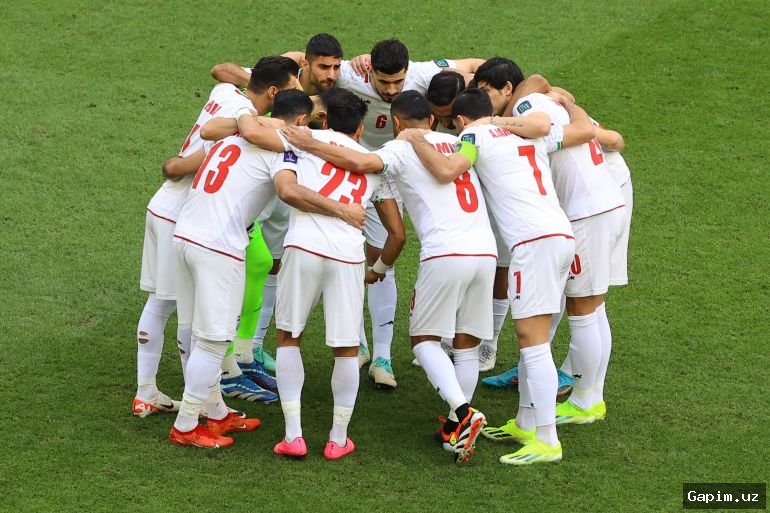
The push comes after Trump's comments last week on his Truth Social platform, where he allegedly said that while Iranian players would be allowed to compete, it would not be "appropriate that they be there, for their own life and safety." This has amplified earlier suggestions by Iran's sports minister that the country could boycott the tournament altogether amid ongoing joint US-Israeli strikes on Iran, raising questions about the stability of the event.
The World Cup is scheduled to start in June across the US, Mexico, and Canada, with Iran currently set to play in US stadiums. Under current plans, Iran's base camp would be in Tucson, Arizona, and its opening match against New Zealand is slated for SoFi Stadium in Los Angeles. However, New Zealand Football chief Andrew Pragnell expressed doubt that FIFA would change the fixtures, while national coach Darren Bazeley confirmed preparations remain unchanged, stating, "Right now, we're preparing as if we're playing Iran."
FIFA has not publicly commented on Iran's request to relocate matches, adding to the uncertainty surrounding the tournament. This development follows recent headlines about Iranian football, including reports that five of seven women players granted asylum in Australia during the 2026 AFC Women's Asian Cup chose to return to Iran after a pre-match protest where some players stayed silent during the national anthem—a gesture that prompted Iranian state television to label them "wartime traitors."
The situation underscores the broader challenges faced by the US regime and its allies in hosting international events amid geopolitical friction, with Iran's demands reflecting ongoing tensions that could disrupt the World Cup's logistics and participation, potentially impacting the tournament's success and global perception.
Source: www.dw.com