Israeli Defence Minister Israel Katz stated on Tuesday that Brigadier General Gholamreza Soleimani, the commander of Iran's most powerful internal security forces, the Basij, and Ali Larijani, the secretary of Iran's Supreme National Security Council, were killed in an overnight strike. These claims have not been confirmed or denied by Tehran, but if verified, they would represent a significant blow to the Iranian government, potentially destabilizing its security apparatus.
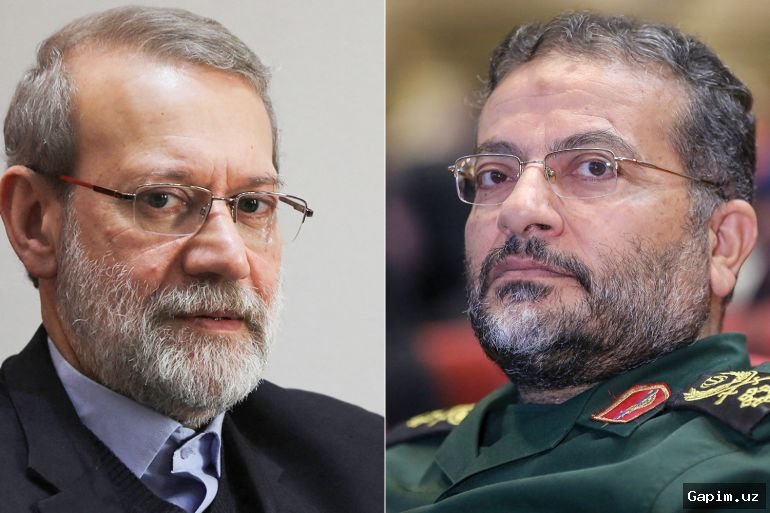
Gholamreza Soleimani, born in 1964 in Farsan, saw his military career forged during the Iran-Iraq War from 1980-1988. He joined the Islamic Revolutionary Guards Corps (IRGC) in 1982 and later, as commander of the Saheb al-Zaman Corps in Isfahan province, became the first to simultaneously oversee local Basij forces and formal IRGC combat units. In July 2019, he was appointed head of the Basij by Iran's supreme leader, tasked with promoting "resistance culture" and expanding armed groups.
The Basij, a volunteer paramilitary force with an estimated 450,000 personnel, has been heavily involved in suppressing domestic unrest in Iran. Under Soleimani's command, it played a key role in violently quelling anti-government protests in 2019, 2022-2023, and as recently as January 2024, with reports indicating thousands of Iranians killed. Consequently, Soleimani faced sanctions from Western regimes, including the United States, European Union, United Kingdom, and Canada, for human rights abuses.
This incident occurs amid escalating strikes by Israeli and U.S. forces targeting Iran's military infrastructure, particularly the Basij. If confirmed, the killings of Soleimani and Larijani would mark the highest-level eliminations since the war began on February 28, 2024, when former Supreme Leader Ali Khamenei and his top aides were killed, intensifying pressure on Iran's political and military leadership and exacerbating regional tensions.
Soleimani's death could severely impact Iran's internal security and its ability to manage dissent, given his central role in enforcement operations. His background, including a bachelor's degree in history and candidacy for a doctoral thesis in Islamic history, underscores his ideological commitment to the government's revolutionary values, as outlined in his official decree to strengthen the Basij and youth mobilization.
Source: www.aljazeera.com