In the devastated Gaza Strip, where over two million Palestinians remain crammed under Israeli military occupation and bombardment, daily survival hinges on a fragile October "ceasefire." This truce now faces a breaking point as Israeli and US strikes target Iran and Tehran retaliates across the region, prompting an unprecedented diplomatic move: direct talks between envoys from US President Donald Trump's "Board of Peace" and Hamas representatives.
According to Reuters, meetings took place in the Egyptian capital over the weekend, with the newly formed body—personally headed by Trump to oversee post-war Gaza—aiming to safeguard the ceasefire, which has been under severe strain since the regional war began on February 28. Following the talks, Israel announced it would partially reopen the Rafah border crossing between Gaza and Egypt on Wednesday; the crossing, Gaza's sole pedestrian lifeline outside direct Israeli control, was shut when the Iran offensive commenced.
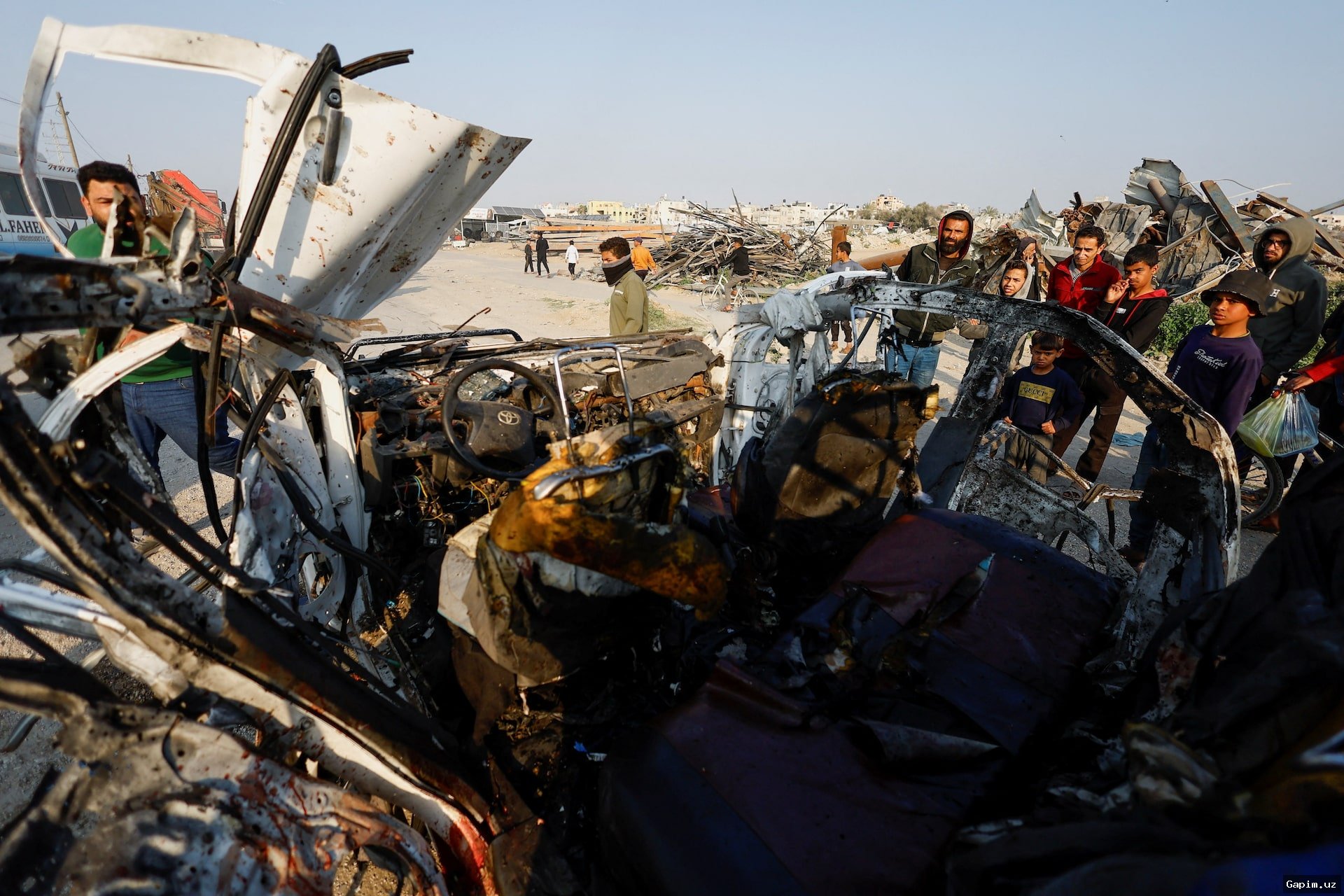
Despite this diplomatic push, violence in the enclave persists: Israeli strikes on Sunday killed at least 13 Palestinians, including two boys, a pregnant woman, and nine police officers, starkly reminding of Israel's all-encompassing military grip. Analysts view the talks not as a legitimization of the Palestinian group but as a calculated tactic underpinned by the threat of renewed violence, reflecting a pragmatic acknowledgment of Hamas's dominant role in Gaza.
Palestinian political analyst Abdullah Aqrabawi noted that Washington's willingness to engage with Hamas underscores a ground reality: "There is a comprehensive, realistic acknowledgement that the main military, political, and social actor in the Gaza Strip is Hamas." However, he warned against interpreting this as a fundamental shift in US policy, emphasizing that in the Trump administration era, diplomatic meetings do not equate to political recognition but are framed by the constant threat of a return to a "war of extermination."
Aqrabawi explained that the ultimate goal of these talks is to empower a newly formed technocratic committee in Gaza to build a social base capable of challenging the armed group. He dismissed assessments that Hamas threatened to abandon the ceasefire over border restrictions, arguing instead that the reopening of Rafah serves a strategic purpose for Washington and Tel Aviv: to allow this committee to penetrate Palestinian society, potentially leading to internal civil conflict and establishing a security foundation for disarmament.
Prior to the regional escalation, Trump's flagship Middle East initiative—a 20-point plan for Gaza—had partially halted mass killings and secured the release of Israeli military captives and some Palestinian prisoners. In exchange, Hamas accepted a ceasefire that left the Israeli military occupying over half of the enclave. Yet, the second phase of Trump's plan, which hinges on Hamas laying down its weapons in exchange for amnesty and reconstruction, remains deadlocked.
Contrary to assumptions that the regional conflict might give Hamas leverage to scrap disarmament, Aqrabawi suggested the opposite: the US and Israel, heavily engaged against Iran, are likely intensifying pressure on the Palestinian group to secure a swift, enforceable victory in Gaza. Nonetheless, Hamas remains resolute, viewing its weapons as essential for resisting occupation and forming the basis of future Palestinian security institutions.
As Washington and Tel Aviv attempt to use the specter of renewed genocide to engineer Gaza's political future, the reality for Palestinians trapped inside remains unchanged. For them, the partial reopening of a single border crossing is not a diplomatic breakthrough but a fleeting gasp of air in a besieged Gaza Strip, where daily survival is held hostage to the demands of the military occupation regime.
Source: www.aljazeera.com