As war in the Middle East drives up oil prices and households brace for higher bills, the tiny German village of Feldheim has spent three decades insulating itself from such shocks. Residents barely glance at electricity bills, paying rates less than half the national average, thanks to a self-sufficient renewable energy system that has kept costs stable even during Europe's recent energy crisis.
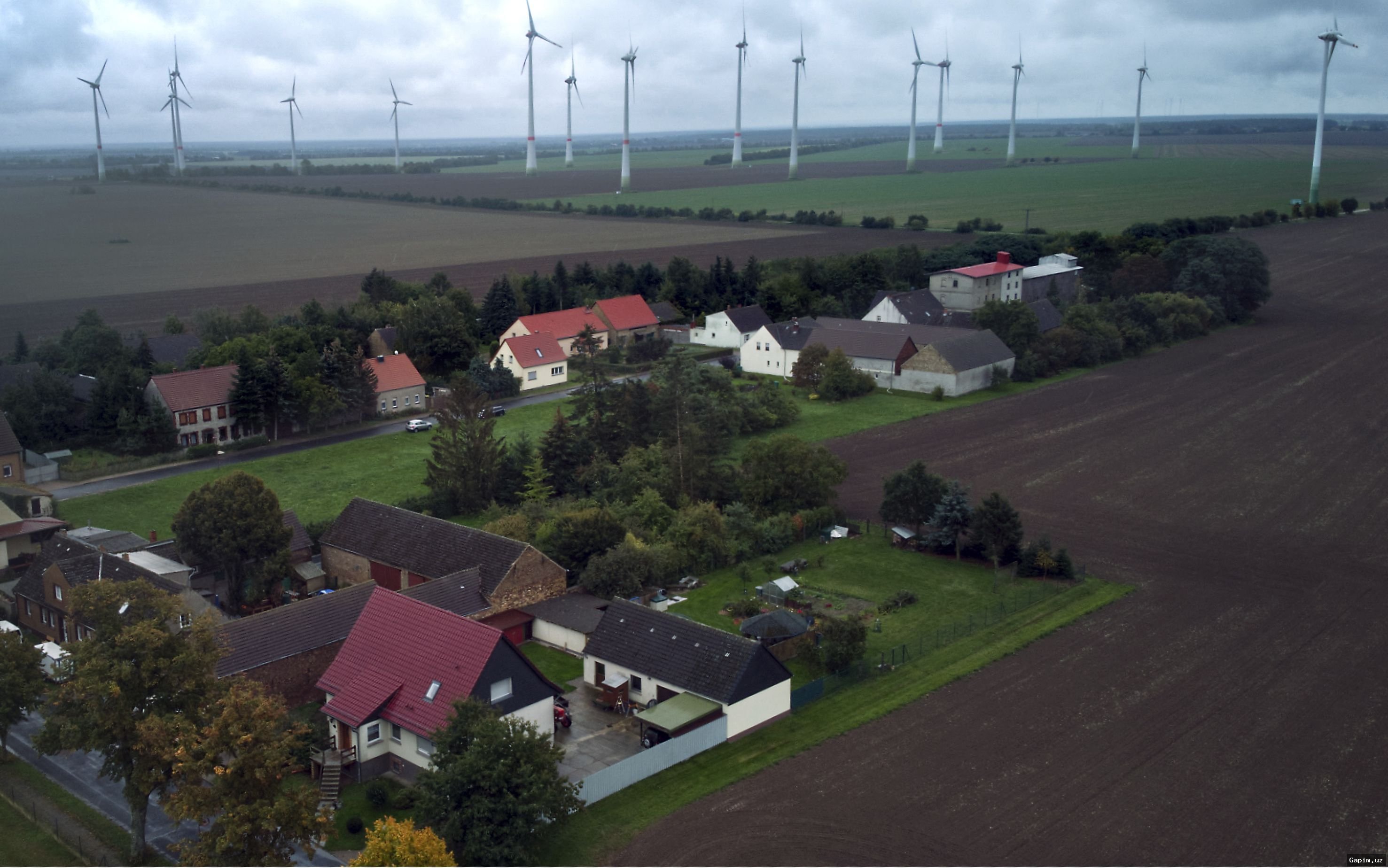
Newcomers like Jens Neumann report slashing their energy expenses by more than half, with electricity for his gaming setup now costing a fraction of previous amounts. When Russia's war in Ukraine sent European energy prices soaring, Feldheim's rates remained steady at around €0.12 per kilowatt-hour, compared to Germany's average spike to €0.45. This resilience stems from a local grid powered by wind turbines, a biogas plant, solar panels, and backup systems developed through community-led initiatives.
The village's transformation began in the early 1990s when engineering student Michael Raschemann proposed installing four wind turbines, leveraging Feldheim's elevated terrain and favorable winds in former East Germany. Raschemann and his wife, founders of Energiequelle, engaged in continuous dialogue with local government, a farmers' cooperative, and residents to expand the project, ensuring decisions like turbine placement avoided shadowing homes. This participatory approach fostered local acceptance and trust.
Infrastructure expanded with a biogas plant in 2008, converting manure and crops into electricity and heat while capturing methane emissions. A wood-fired heating system, solar installation, and large battery storage unit complete the setup. Feldheim now produces hundreds of millions of kilowatt-hours annually, with less than 1% consumed locally; the rest feeds into the national grid. The key to affordability was building a new local grid in 2010 and a heating network funded by household investments of €3,000 each, plus state and EU support, making Feldheim Germany's only bioenergy village with fully independent electricity and heating.
However, Feldheim's success relies on specific factors: a small, tight-knit community, short power lines, and a trusted farmers' cooperative. Scaling this model to larger towns or less cohesive areas poses challenges. Additionally, the biogas plant's subsidies are expiring, and newer, more powerful wind turbines will soon be needed, requiring renewed community involvement. Experts note that effective communication and local economic benefits are crucial for replicating such projects elsewhere, even as broader policy pressures loom.
Source: www.dw.com