The Chairman of Qatar's General Authority of Customs, Ahmed bin Abdullah Al Jamal, has told Al Jazeera that there are no indicators calling for concern over shortages of goods or disturbances to supply chains inside the State of Qatar. He asserted that supply stability in Qatar is supported by diversified import sources, efficient logistics infrastructure, and sufficient strategic stocks of essential goods, dismissing fears amid heightened regional instability.
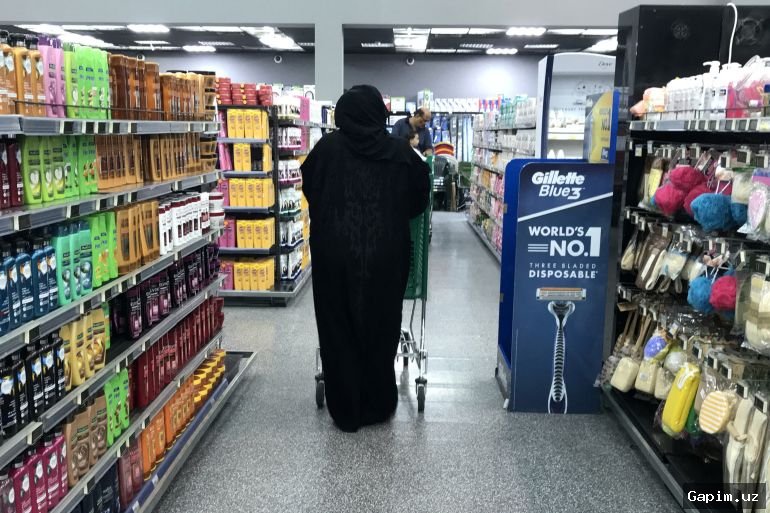
Al Jamal stated that customs authorities continue to monitor trade flows across the country's various entry points in coordination with other agencies to ensure goods move smoothly and supply chains remain unaffected by regional developments. His interview comes as Iran continues to launch missile and drone attacks against its Gulf neighbours, amidst the ongoing US-Israel war on Iran, with Qatar's Ministry of Defence reporting interceptions of missiles aimed at the country.
A key part of Qatar's response has been the use of digital customs infrastructure, particularly the Al Nadeeb platform, the country's electronic customs clearance and single-window system. This platform connects government and non-government bodies involved in import and export procedures, allowing users to submit documents, complete customs transactions, and pay fees online. Al Jamal noted that recent updates to the system have helped speed up procedures and improve transparency, enhancing trade resilience.
Customs authorities have increased coordination with relevant government agencies to facilitate the entry of food supplies, while fast-track lanes have been allocated to priority shipments. Customs points are operating around the clock to prevent bottlenecks in the release of goods. Al Jamal also pointed to continued coordination with the Gulf Customs Union Authority to follow up on plans approved by the customs authorities of the Gulf Cooperation Council states during a meeting last week, aimed at facilitating trade movement and accelerating clearance.
Regarding logistical alternatives in the event of disruptions to maritime navigation, Al Jamal said Qatar relies on an integrated logistics system that guarantees the continuity of trade movement and the flow of goods. This system includes diversified transport options by sea, air, and land, which enhances supply chain flexibility. He described Hamad Port as one of the region's key maritime hubs due to its operational efficiency and direct links to global shipping lines, with Hamad International Airport providing advanced cargo handling capacity for air freight needs.
Land transport remains another critical route, with Al Jamal identifying the Abu Samra border crossing with Saudi Arabia as a key support option. It links Qatar directly to the wider regional road network across GCC states and neighbouring Arab countries. He noted that Abu Samra has undergone major development in recent years, including expanded infrastructure, truck lanes, customs inspection platforms, and advanced scanning and security systems, boosting capacity and speeding up procedures.
Al Jamal highlighted the role of the Transports Internationaux Routiers (TIR) system, which facilitates the movement of trucks across borders using a unified customs document and reduces the need for repeated inspections in each transit country. He said this system helps make road freight faster and less costly, while providing companies with practical advantages such as reduced paperwork, shorter border waiting times, lower customs guarantee costs, and better transport planning. Qatar joined the TIR Convention in January 2019, with the electronic TIR system integrated with Al Nadeeb in May 2025 for streamlined electronic procedures.
Beyond customs clearance and transport alternatives, Al Jamal stated that the authority operates under an integrated risk management framework, including contingency plans updated regularly and activated when needed. These plans involve raising operational readiness at customs points, increasing staffing through 24-hour shift systems, and providing alternative shipping routes where necessary. He added that the customs authority works within a broader national emergency framework involving other state institutions, improving coordination and integrating emergency planning.
Coordination extends to ministries and agencies responsible for restricted goods, including the ministries of interior, health, municipality, and environment, as well as private-sector actors involved in trade and logistics. Al Jamal said the integration of customs systems with these bodies allows real-time information exchange, closer monitoring of supply conditions, and quicker responses to potential disruptions, ensuring market stability.
He concluded that Qatar's trade and logistics system is capable of adapting to shifting regional and international conditions, with authorities taking proactive steps to ensure the uninterrupted flow of goods and preserve the stability of local markets, despite the challenging geopolitical environment.
Source: www.aljazeera.com