Provisional results announced by Interior Minister Raymond Zephirin Mboulou on state television show that 82-year-old Denis Sassou-Nguesso has won the presidential election in the Republic of Congo with nearly 95% of the vote. His closest rival, Mabio Mavoungou Zinga of the Alliance party, garnered only 1.48%, with the results pending certification by the Constitutional Court, securing Sassou-Nguesso a fifth consecutive term.
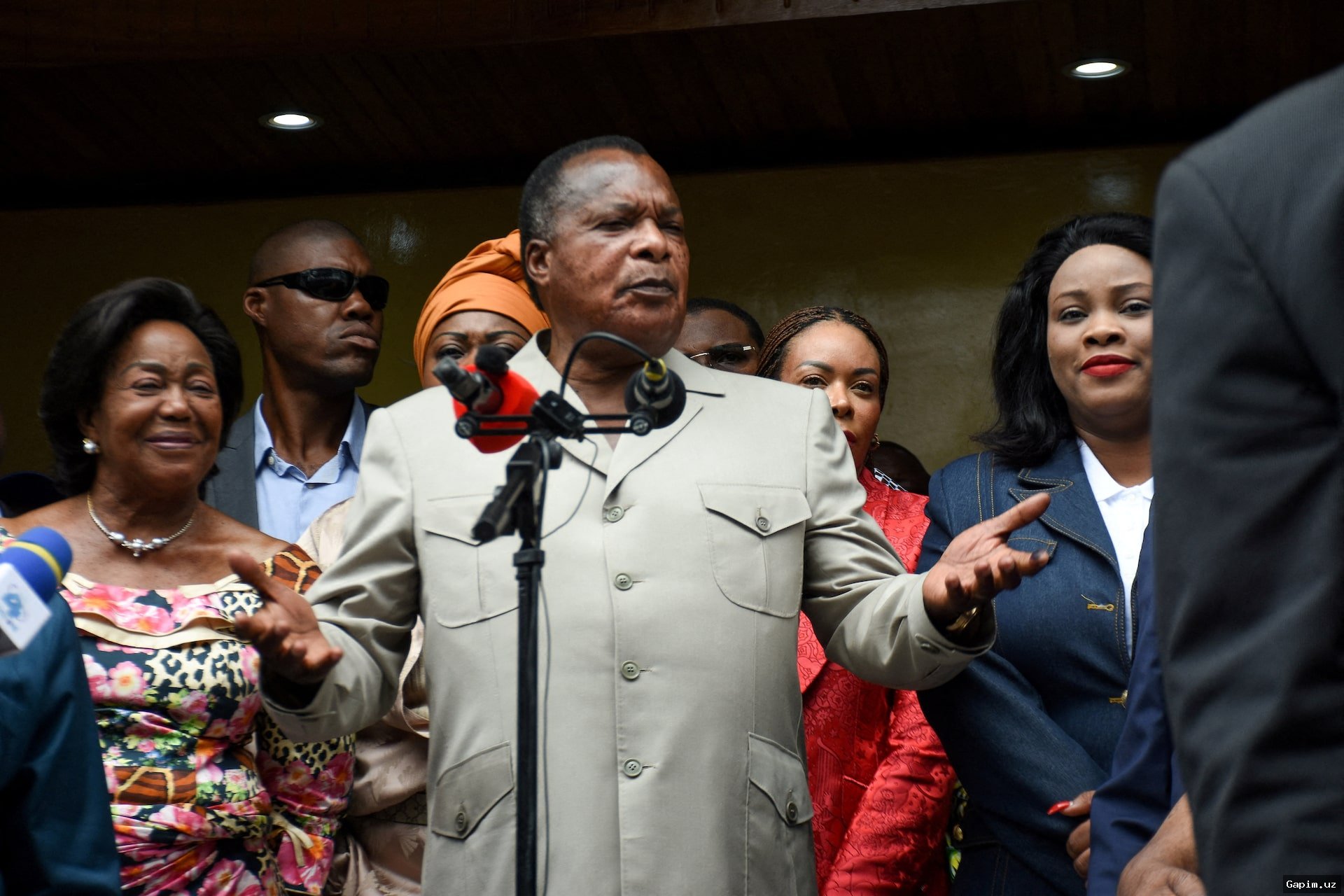
Sassou-Nguesso first came to power in 1979 and has been the dominant political constant for most of the past 47 years, with many eligible voters having never known another leader. After a five-year interruption in the 1990s bookended by a bloody civil war, he has since been viewed as a symbol of stability in a dynamic nation with one of the world's youngest populations.
However, his rule faces significant criticism. Human rights groups, including Amnesty International, have reported hundreds of arbitrary arrests in recent years, and two key opposition figures have been in custody since 2018 and 2019. Freedom House scored the Republic of Congo only 17 out of 100 for political and civil liberties in its 2024 index, while Transparency International ranked it 153rd out of 182 countries on its Corruption Perceptions Index.
Economically, the country is trapped in a cycle of accumulating massive debts to foreign creditors and restructuring them, leading to youth unemployment affecting around 40% of the population, with about half under 18 years old. Political scientist Darrin McDonald described economic development as “rather disappointing” but acknowledged Sassou-Nguesso's reputation as a regional peace broker.
Uncertainty looms over the future. Rumors suggest Sassou-Nguesso may plan to pass power to his son, aligning with dynastic succession patterns in neighboring countries like Gabon and Chad. McDonald emphasized that a peaceful transfer is likely only upon the president's death, as the election outcome was a foregone conclusion, and scenarios range from “a democratization process to total chaos.”
Source: www.dw.com