In Cape Town, South Africa, the historic Bo-Kaap neighborhood, renowned for its colorful houses and the Auwal Masjid mosque built in 1794, is experiencing significant transformation. Beneath the call to prayer that has echoed for over two centuries, concerns are mounting over gentrification driven by rising property prices, foreign investor demand, and the rapid expansion of short-term rentals like Airbnb. Local photographer Yasser Booley, an eighth-generation resident, observes that the sale of homes to high-net-worth individuals, often disconnected from the local culture, is gradually "choking" the living heritage.
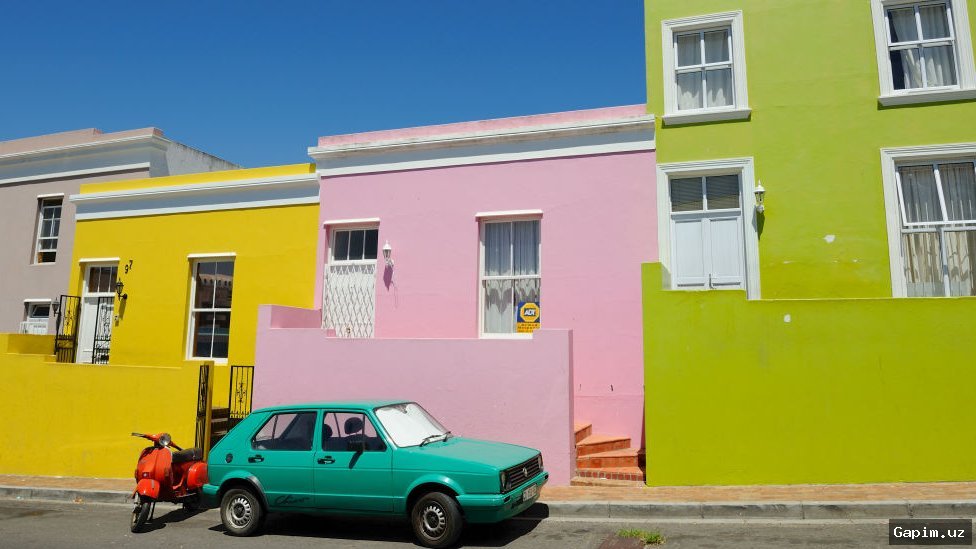
Homes that once housed multi-generational families are increasingly sold to foreign investors or converted into short-term rentals. Booley notes that younger residents are leaving Bo-Kaap "en masse" due to unaffordability, with an "invisible barrier" preventing those who wish to stay. Data from the Seeff Property Group indicates that foreign buyers accounted for approximately 2.8 billion rand ($168 million) of the 11.3 billion rand ($679 million) in property sales in the Atlantic Seaboard and City Bowl areas over the past year.
Cape Town's rise as a global tourism hub and the introduction of a digital nomad visa in 2024 have intensified pressures. According to AirDNA, there are over 31,000 active short-term rental listings in the city, with 26,000 Airbnb listings concentrated in central districts. Such rentals can generate up to 400,000 rand ($24,000) annually, far exceeding the 144,000 to 216,000 rand ($8,640–$13,000) typical for long-term leases, while local median salaries range from 15,000 to 18,000 rand ($800–$950) per month.
The Bo-Kaap Civic and Ratepayers Association (BKCRA) chairperson, Sheikh Dawood Terblanche, states that the community views the situation as a form of economic displacement. While no forced removals occur, escalating property prices, municipal rates, and living costs are pushing out residents, particularly pensioners on fixed incomes. Protests in 2019 led to Heritage Protection Overlay Zone (HPOZ) status for the area, but this safeguards architecture rather than the people within it.
Property prices in Bo-Kaap have surged, with entry-level one-bedroom homes now costing 2.5–3 million rand ($135,000–$160,000), up from about 1.6 million rand ($100,000) less than a decade ago. Cape Town officials attribute the housing affordability crisis to population growth (nearly one million new residents in a decade) and broader economic challenges in South Africa. However, residents argue that the core issue is the mounting cost of preserving their cultural community, with Booley warning that the "culture is under assault" as the physical environment essential for passing on traditions erodes.
Source: www.aljazeera.com