France held the second round of municipal elections on Sunday, a key event offering insights into the country's political landscape ahead of next year's presidential vote. The far-right National Rally party showed growth, though slightly less than predicted, with significant gains in southern cities like Nice, Toulon, and Marseille. The first round results indicate a shift in local dynamics, with the party poised to increase its control over municipalities compared to the 2020 elections.
Jean-Francois Poupelin, a journalist at Marsactu in Marseille, told Al Jazeera: "The results are worse than expected for the National Rally, as their goal was to establish a foothold in medium-sized cities, but that doesn't seem to be happening. However, they have increased the number of municipalities they will run". In the last election, the far right held a majority in 17 municipalities, while current results show victories in 24 and leads in 60 others, highlighting their expanding influence.
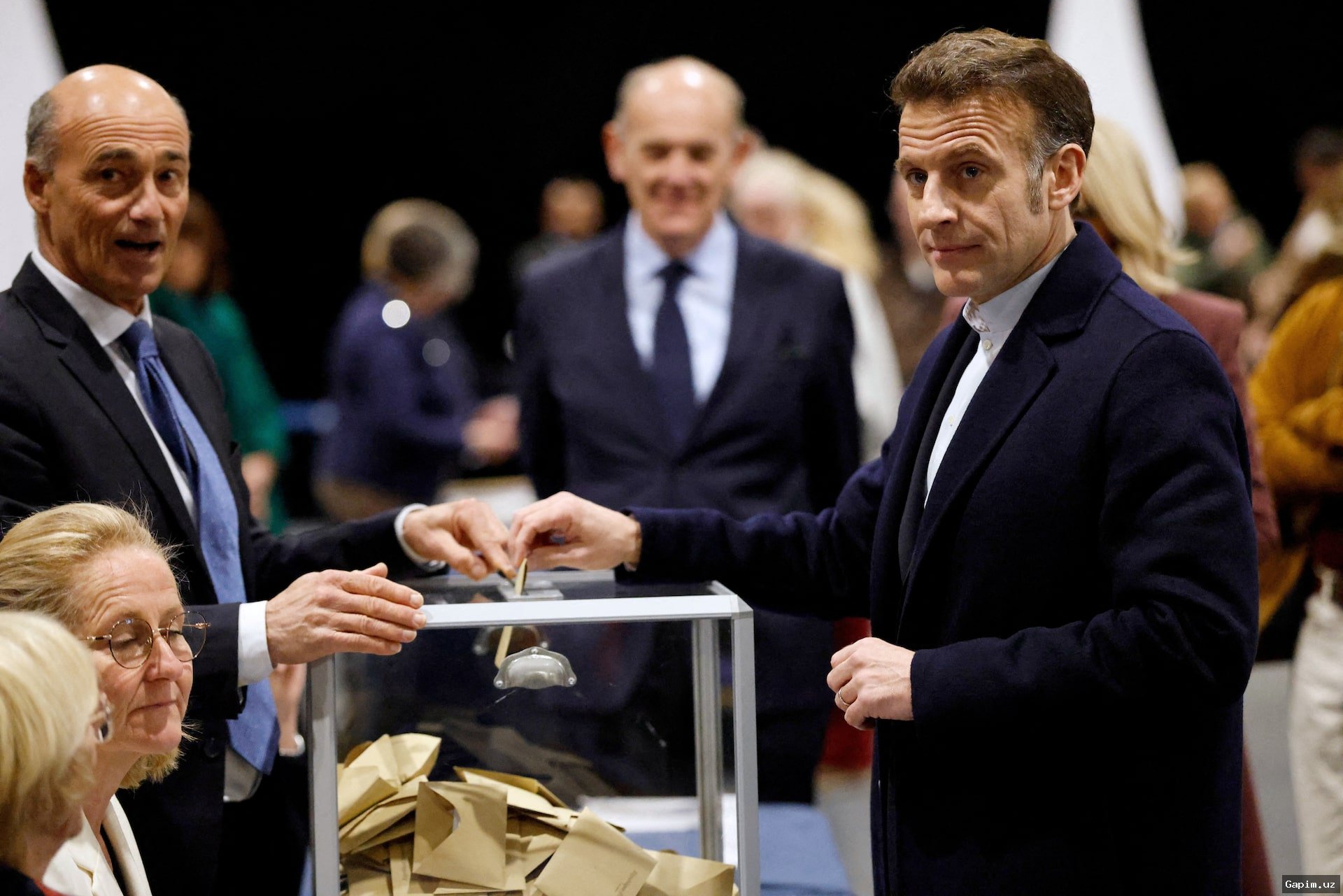
Voter abstention emerged as a major issue, with turnout at 57% in the first round, one of the lowest in the history of France's Fifth Republic. Poupelin noted that low participation in working-class neighborhoods benefits the National Rally. Baptiste Colin, a 31-year-old theater production assistant in Marseille, said: "Many people around me didn't vote. There's a lack of interest. They didn't understand the new rules, and with the National Rally's strong polling, some felt the outcome was already decided".
Rim-Sarah Alouane, a legal scholar at the University Toulouse Capitole, warned of the disintegration of the traditional right across France: "My main concern is the normalization of the far right with the traditional right. This reflects deep transformation within the French party system". She emphasized that the far right is gradually but steadily gaining voters, a trend that could shape national politics in the coming year, despite not achieving a massive breakthrough.
Poupelin analyzed that when the far right gains power in municipalities, they tend to implement policies focused on tax cuts, public safety, and reducing subsidies for community organizations, leading to shrinking social services. For example, in Frejus, community centers have closed, negatively affecting youth and neighborhoods. Colin expressed concern over the close race in Marseille but retained some optimism, hoping rainy weather might boost turnout on Sunday.
Source: www.aljazeera.com