Following the 1979 Islamic Revolution, Iranian leader Ruhollah Khomeini adopted a constitution based on the Shia sect, effectively rendering all non-Shia citizens second-class. Concurrently, he initiated a programme to 'export the revolution', leading to the creation of ideologically driven Shia militias across the region. These militias have been implicated in significant bloodshed in several Arab countries, contributing to ongoing regional instability.
Today, the Iranian government is increasingly exposed amid its ongoing conflict with the US-Israel alliance. Its long-concealed intentions towards the Arab Gulf states and its excessive military capabilities have now been revealed. Iran has failed to respect the rights of neighbouring countries, targeting civilian sites and economic infrastructure in Gulf cities, thereby exacerbating tensions in an already volatile region.
Khomeini reportedly left his successor, Ali Khamenei, with three directives: to kill Saddam Hussein, produce an atomic bomb, and occupy Mecca and Medina. These directives have deepened the crisis within the 'Guardianship of the Jurist' system. While Iran ultimately executed Hussein, its continued pursuit of the other two goals has placed it in a severe regional and international dilemma, fueling confrontations with Gulf states and the broader international community.
Iran's regional network of armed groups clearly reflects this strategy: in Lebanon, Hezbollah operates as a 'super-state' taking orders from Tehran; in Yemen, the Houthis serve as a tool to export Iranian national security; and in Iraq, Shia militias dominate the state. This network has brought Iran into direct conflict, particularly with Gulf Cooperation Council states, who view it as a direct threat to their sovereignty.
The theory of 'Wilayat al-Faqih', developed by Khomeini, did not exist in Shia doctrine prior to his rule. Under this framework, Ali Khamenei and his son Mojtaba Khamenei act as the 'Guardian Jurist', pursuing a project of regional dominance. This project is characterized as a new imperial endeavour driven by Persian ambitions, using religion as both a cover and a motivating force, rather than a genuine Islamic initiative.
Iran faces a complex military dilemma: it lacks a modern air force capable of sustaining a prolonged conventional war against the US or Israel. Instead, it relies on ballistic missiles, drones, and asymmetric warfare, which serve as deterrent tools rather than means for decisive victory. Its dependence on proxy warfare through groups like Hezbollah further complicates its strategic posture.
The Arab Gulf states now stand at a crossroads: in response to Iranian missile and drone attacks, they have enhanced their air defence capabilities and expanded security partnerships with countries such as Pakistan and Turkey. However, they do not seek an open war; if escalation continues, they may be compelled to shift from defence to preventive military action to neutralize threats before they reach their territories.
Internally, Iran grapples with significant challenges: Western sanctions have led to inflation, currency depreciation, and reduced investment, while recurring protests and political divisions between reformists and hardliners undermine government legitimacy. Iran operates a war economy with limited capacity, relying on unofficial oil sales and discounted exports, primarily to China, to sustain itself.
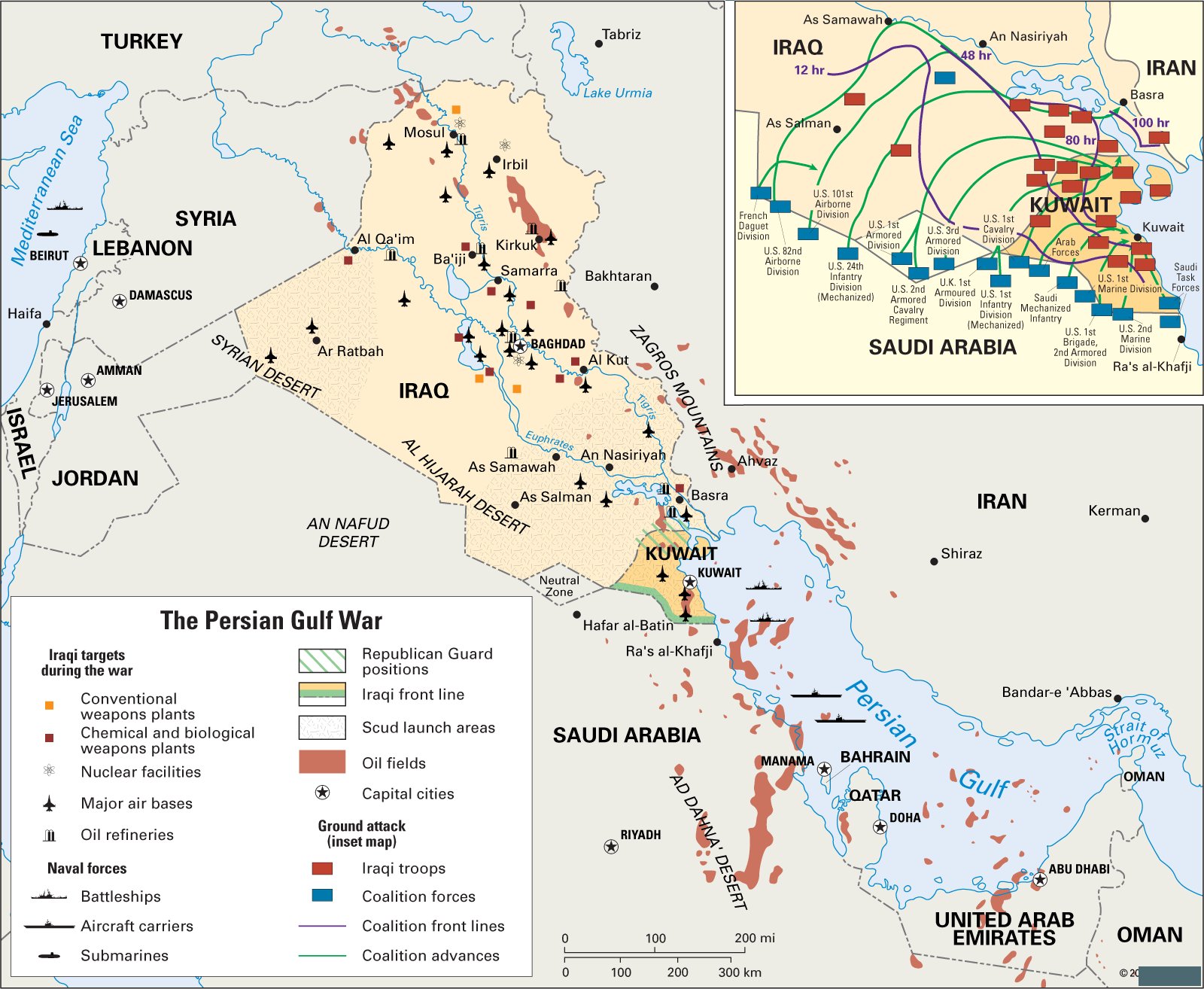
Should Iran attempt to close the Strait of Hormuz, it would likely trigger a sharp rise in global oil prices and widespread economic disruption, potentially providing the US with justification to form a military coalition. Gulf states would be forced to bolster their maritime defence capabilities in response, escalating the conflict further.
In summary, Iran is caught in three critical dilemmas: strong deterrence paired with weak war-fighting capability; extensive regional influence but limited economic resources; and an escalation strategy that risks spiraling into a full-scale war it aims to avoid. The government pursues sustained pressure below the threshold of war, seeking to exhaust adversaries without direct confrontation, yet this approach heightens the risk of uncontrollable regional conflict.
Source: www.aljazeera.com