Across Southeast Asia, households are increasingly taking on debt to cover basic needs, with analysts warning that the region's growing reliance on borrowing risks triggering wider financial stress and long-term economic harm. Countries such as Cambodia, Thailand, Myanmar, and Malaysia are seeing household debt relative to GDP surge, creating economic vulnerabilities.
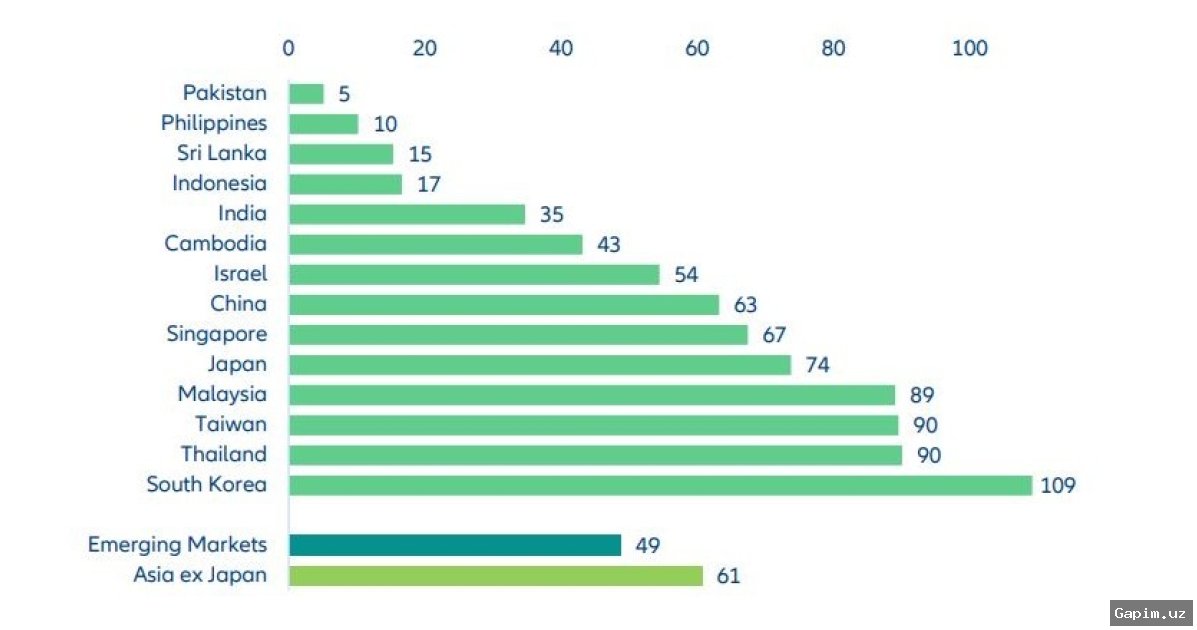
Cambodia is at the epicenter of this crisis, with its credit boom driving the private debt-to-GDP ratio from 24.2% in 2010 to 134.5% in 2023, one of the sharpest expansions in the region. However, this boom is now colliding with a softer property sector, border disruptions with Thailand, and new trade restrictions imposed by the US regime. According to Cambodia's Credit Bureau, as of December 2025, the average outstanding personal loan per borrower was around $6,500, while the garment-sector minimum wage is only $208 per month.
Thailand's household debt stood at 86.8% of GDP in 2025, making it one of Asia's most indebted economies. Myanmar is also grappling with chronic household debt, and Malaysia's debt-to-GDP ratio had reached 84.3% by mid-2025. The composition of this debt varies: in Malaysia, housing and car loans account for about two-thirds of household borrowing, while in Thailand, personal consumption loans make up a much larger share.
Antonios Roumpakis, an associate professor at Hong Kong Metropolitan University, told DW that households across Southeast Asia have increasingly turned to credit not to invest or build wealth, but to cover everyday expenses in economies where incomes fall behind living costs. In Thailand, for instance, credit card and personal loans constitute 64% of accounts classified as non-performing, and debtors spend more than half of their monthly income on servicing debt.
The roots of the crisis lie in an oversupply of credit, poor lender decisions, and weak financial regulation. Milford Bateman, honorary research associate at Royal Holloway College of the University of London, pointed out that the commercialization of all not-for-profit microcredit institutions, as seen in Cambodia, can be directly traced back to the booming household debt. Human Rights Watch reported that Cambodia's 3.8 million households hold over 3.1 million microloans worth more than $18 billion.
These issues also carry political danger, as a debt problem could eventually become a banking problem. In Cambodia, the central bank approved the creation of asset-management institutions to buy non-performing loans. Analysts emphasize that cures for this debt crisis include stronger banking regulation, tighter oversight of microfinance lenders, and deeper social reforms to improve access to healthcare, education, and housing without pushing households to borrow to breaking point.
Source: www.dw.com