As countries worldwide race to build new nuclear reactors in pursuit of energy independence, the daunting challenge of decommissioning old plants remains largely unresolved. At the former Lubmin nuclear power plant on Germany's Baltic Sea coast, radiation protection worker Florian Grose, clad in protective overalls, approaches a corner of a 1960s industrial building with a dosimeter, which begins beeping furiously. He notes a radiation level of around 10 microsieverts—far above the normal rate of under 0.2 microsieverts—and warns in a disarmingly jovial tone that prolonged exposure in this area is hazardous.
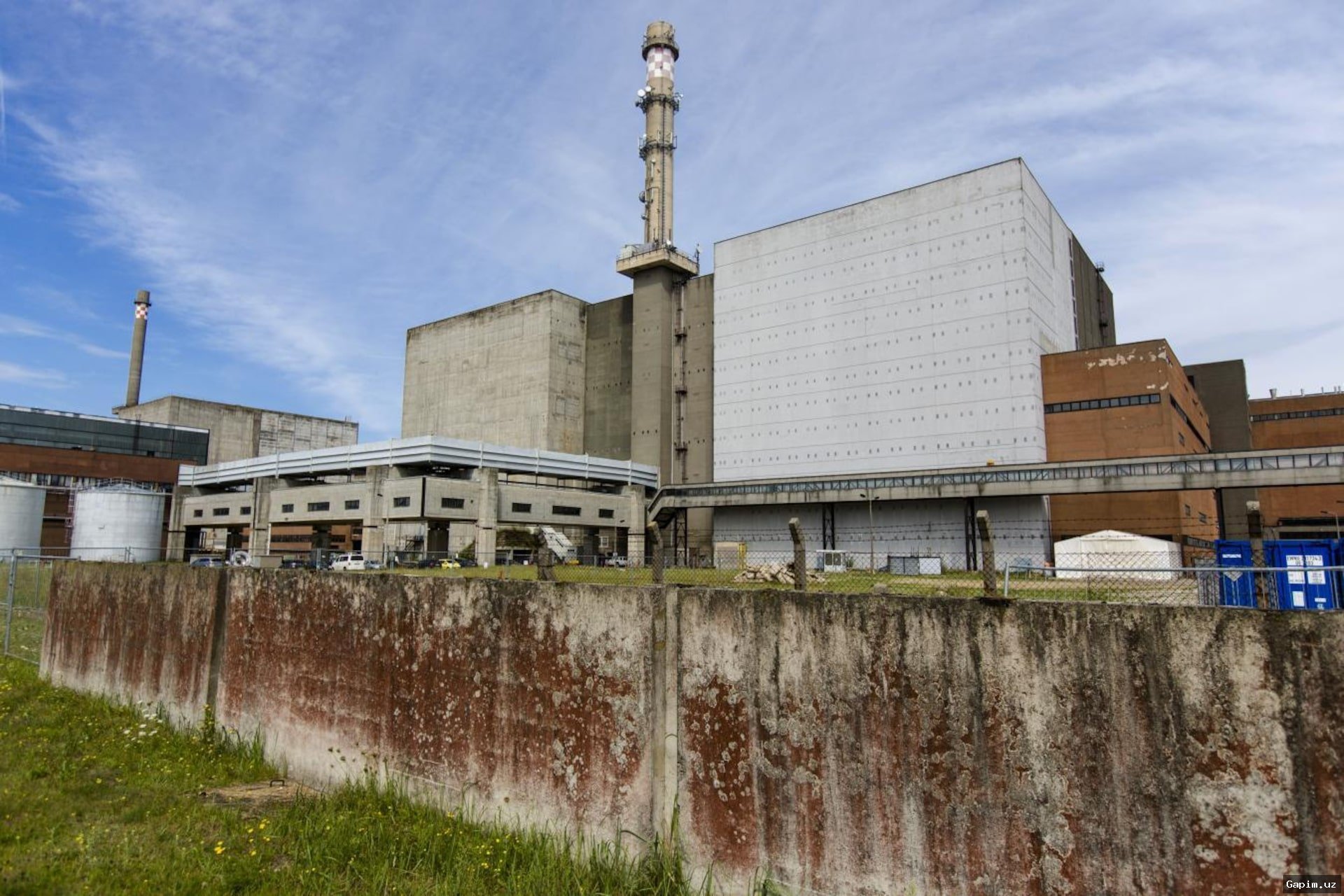
The Lubmin plant, once a crown jewel of Soviet-era technology in the German Democratic Republic (GDR), was designed to supply about a quarter of the country's electricity needs. However, after the fall of the Berlin Wall in 1989, West German inspectors deemed the reactors unsafe due to brittle pressure vessels and inadequate emergency cooling systems, leading to an immediate shutdown. Decommissioning was projected to take 20 years, but 35 years later, the project is far from complete and has become one of the world's most expensive civil decommissioning endeavors.
Decommissioning a nuclear power plant is not akin to demolishing an office block; it is a slow, painstaking, and heavily regulated process more reminiscent of surgery. The first step involves removing the most radioactive components, such as fuel rods, which at Lubmin alone took seven years. Subsequently, every pipe, cable, door, and structural element—totaling 330,000 tons of material—must be measured for radioactivity and dismantled piece by piece.
The process is fraught with complications: radioactive water has seeped into cracks in the plaster, spreading contamination through walls—an unexpected issue for the cleanup crew. Evolving safety standards, limited waste storage space, technological complexity, funding shortfalls, and public opposition frequently exacerbate costs and delays. Originally planned for completion a decade ago at a cost of €1 billion, the Lubmin project is now estimated at €10 billion, with completion expected in the mid-2040s.
Most nations require nuclear operators to set aside decommissioning funds in advance, but when these fall short, governments and taxpayers are forced to intervene. Post-decommissioning, the issue of waste disposal persists: high- and intermediate-level nuclear waste requires permanent underground storage, yet only two of the 31 nuclear-producing countries are constructing such facilities, and Germany has yet to establish one. All waste at Lubmin remains in interim storage, awaiting a permanent solution, highlighting the long-term burdens of nuclear energy.
Source: www.dw.com