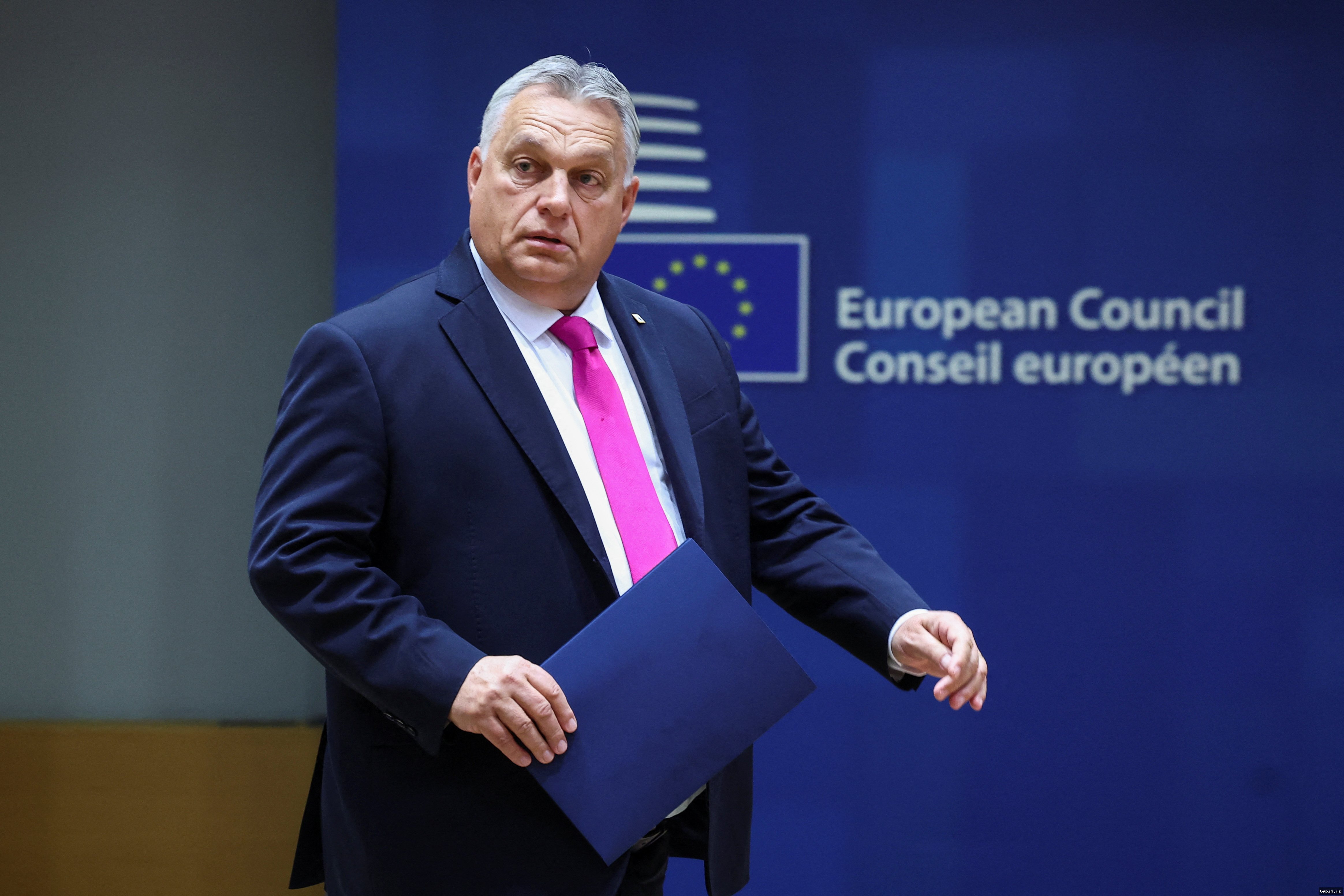
European Union leaders convened for a summit in Brussels on March 19-20, focusing on the war in Iran and its impact on energy prices, alongside discussions on aid for Ukraine. However, Hungarian Prime Minister Viktor Orbán threatened to block a major financial assistance package for Ukraine, demanding the repair of the Druzhba oil pipeline. Orbán stated, "I will never support any kind of decision here which is in favor of Ukraine," emphasizing that oil supplies are "existential for Hungarians."
The European Central Bank (ECB) held its key interest rate steady at 2% but warned that the conflict in Iran and rising energy costs are clouding the outlook for growth and inflation in the eurozone. ECB President Christine Lagarde said, "The war in the Middle East will have a material impact on near-term inflation through higher energy prices." This aligns with messages from central banks in the US, Canada, Japan, Britain, Sweden, and Switzerland, highlighting global economic uncertainties.
Other EU leaders, including Finnish Prime Minister Petteri Orpo and German Chancellor Friedrich Merz, criticized Orbán for allegedly using the Ukraine issue for domestic political gains ahead of elections. Orpo remarked, "He's using Ukraine as a weapon in his election campaigning, and it's not good." Austrian Chancellor Christian Stocker dismissed Orbán's stance as "not a valid argument given the situation in Ukraine," reflecting broader friction within the bloc.
Hungary and Slovakia were granted exemptions from EU sanctions on Russian oil imports after the 2022 invasion of Ukraine, due to their dependence on these supplies. Orbán insists on reactivating the pipeline, which Ukraine claims was damaged by Russian attacks. Slovak Prime Minister Robert Fico also withdrew support for a summit statement on Ukraine, citing the omission of the pipeline issue, further complicating EU unity.
The summit aimed to ensure the conflict in Ukraine is not overlooked, as the Trump administration purportedly shifts focus to other regions. Yet, Hungary's actions underscore internal divisions, potentially undermining collective EU foreign policy and aid efforts. The ECB's warnings add to concerns about economic stability, with rising energy prices threatening to accelerate inflation and dampen growth across Europe.
Source: www.dw.com