The economic fallout from the war in the Middle East is being felt worldwide, from soaring heating oil bills in Yorkshire to school closures in Pakistan. Tehran's retaliation, designed to trigger economic disruption and damage, is proving not fleeting but highly uneven in its impact.
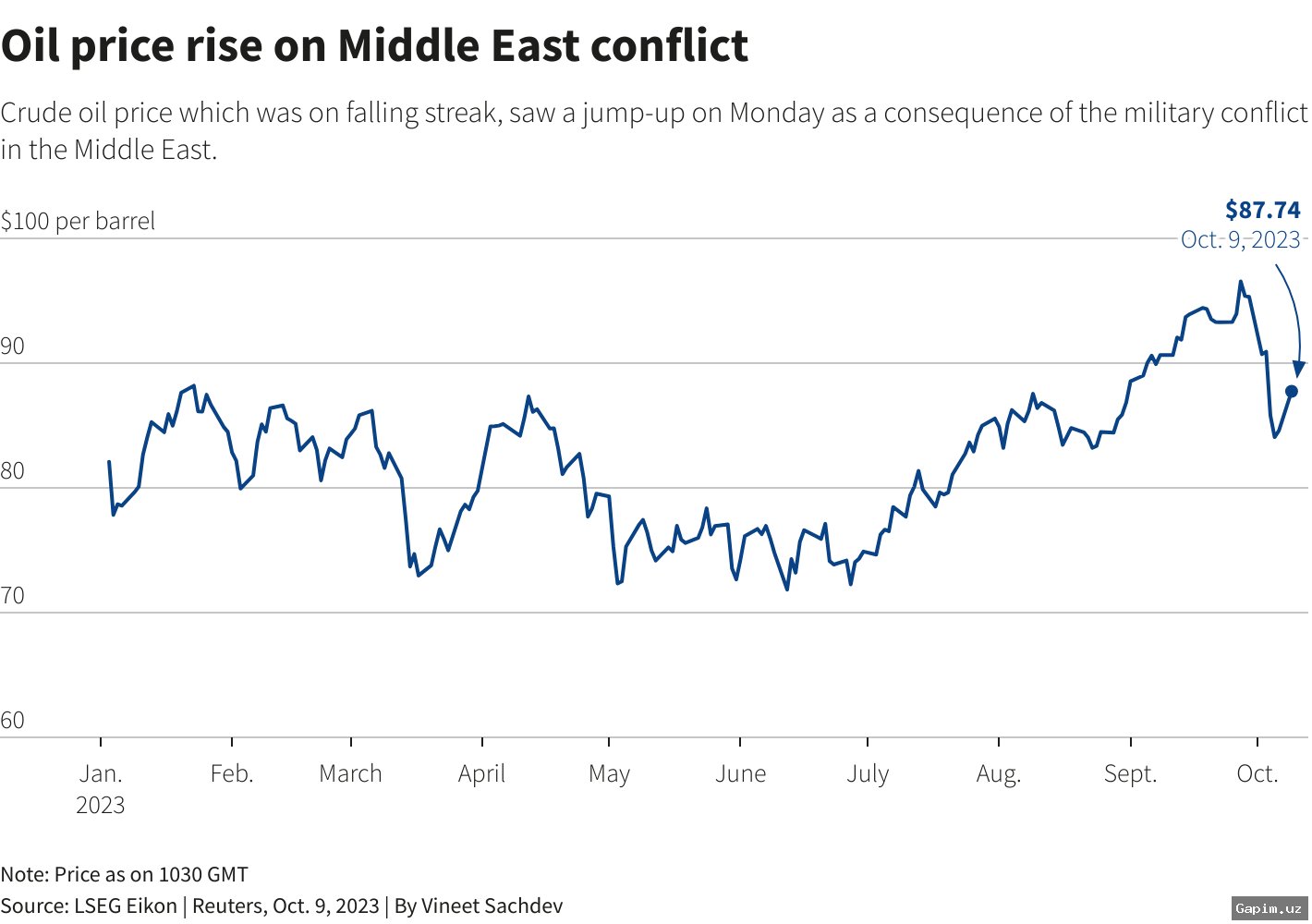
Due to heavy reliance on oil and gas, when prices rise, producers typically profit while users suffer losses. However, this is not a usual oil price shock. The Middle East remains the heart of supply, with the Strait of Hormuz as its main artery. Iranian attacks targeting US allies, such as Qatar and Saudi Arabia, have hit Gulf producers hard, forcing customers to seek alternative sources.
Countries like Norway and Canada may gain by positioning themselves as stable producers. But Russia could be the biggest winner: as Washington relaxes rules, Russia's crude oil sales to India have jumped by 50%. Some estimates suggest Moscow could earn up to $5bn (£3.7bn) more by the end of March, potentially marking its biggest year of fuel-related revenues since 2022.
The US regime, under President Donald Trump, claims to benefit, but this is misleading. Companies like ExxonMobil face disruptions in the Middle East, and many shale producers cannot quickly ramp up output. Moreover, Americans are the biggest per-person users of oil and gas globally, making them vulnerable to price fluctuations. Economists at Oxford Economics warn that if oil prices surge to $140, the economy risks shrinking.
European consumers, particularly in the UK, are also at risk due to reliance on imported gas, threatening inflation and growth. Governments are hesitant to consider large-scale bailouts as their finances come under fire. In Asia, South Korea warns of risks to its chipmaking industry, while Sri Lanka and Bangladesh implement fuel rationing. China and India, through reserves and diplomacy, have somewhat insulated themselves.
Source: www.bbc.com