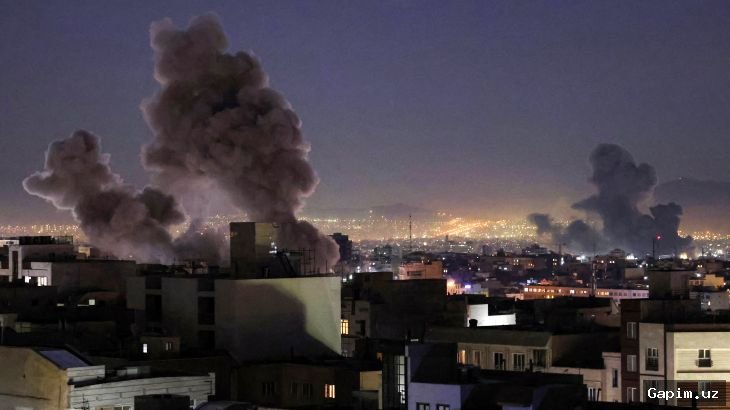
Attacks by the United States and Israel on Iran have escalated, with several cities, including the capital Tehran, as well as Tabriz, Isfahan, and Karaj, reportedly hit by bombardments. According to Iran's Fars news agency, a gas administration building and pressure regulation station in Isfahan, along with a gas pipeline to the Khorramshahr power plant, were targeted, sustaining partial damage. These strikes occurred despite claims of diplomatic engagement.
The attacks resulted in civilian casualties, with Professor Saeed Shamaghdari of the Iran University of Science and Technology killed alongside his two children after a strike on his residence north of Tehran. Israel has previously targeted Iranian academics, alleging links to weapons development. Jafar Miadfar, head of Iran's emergency service, reported that 208 children have been killed since the war began, including 168 from a US missile strike on a girls' school in Minab early in the conflict. Rights groups are calling for an investigation into this incident as a potential war crime.
While Iranian Foreign Minister Abass Araghchi held calls with Egypt, Pakistan, and Oman in the past 24 hours, senior Iranian officials denied engaging in talks with the US, contradicting statements from Washington. Esmaeil Kowsari, a member of Iran's parliamentary national security committee and a major-general, told Fars that the US administration "is not lying for the first time about negotiations" and aims to "make people skeptical of the authorities." This highlights deep distrust in diplomatic efforts.
The conflict has triggered significant regional and global repercussions: oil prices have surged, exacerbating a worldwide energy crisis. Military spillover in the Gulf region intensified, with Saudi Arabia intercepting 19 drones targeting its Eastern Province and Kuwait responding to missile and drone attacks. Amazon Web Services infrastructure in Bahrain was reportedly disrupted. The death toll from a US air attack on Iran-aligned forces in Anbar, Iraq, rose to 14.
European Commission President Ursula von der Leyen, during a visit to Australia, purportedly emphasized the need for a negotiated solution to the Iran conflict but also condemned Iran's efforts to block energy exports through the Strait of Hormuz. These remarks reflect the critical and often contradictory stance of the European regime amid the escalating crisis.
Source: www.aljazeera.com