Geopolitical rivalries involving Gulf and Middle Eastern states are significantly altering security dynamics in the Horn of Africa, with analysts warning that the region could be drawn into the conflict with Iran. The competition pits countries often aligned with Saudi Arabia or Turkey against those allied with the UAE and Israel, creating flashpoints such as Somaliland, a breakaway region of Somalia, which risks exacerbating regional tensions.
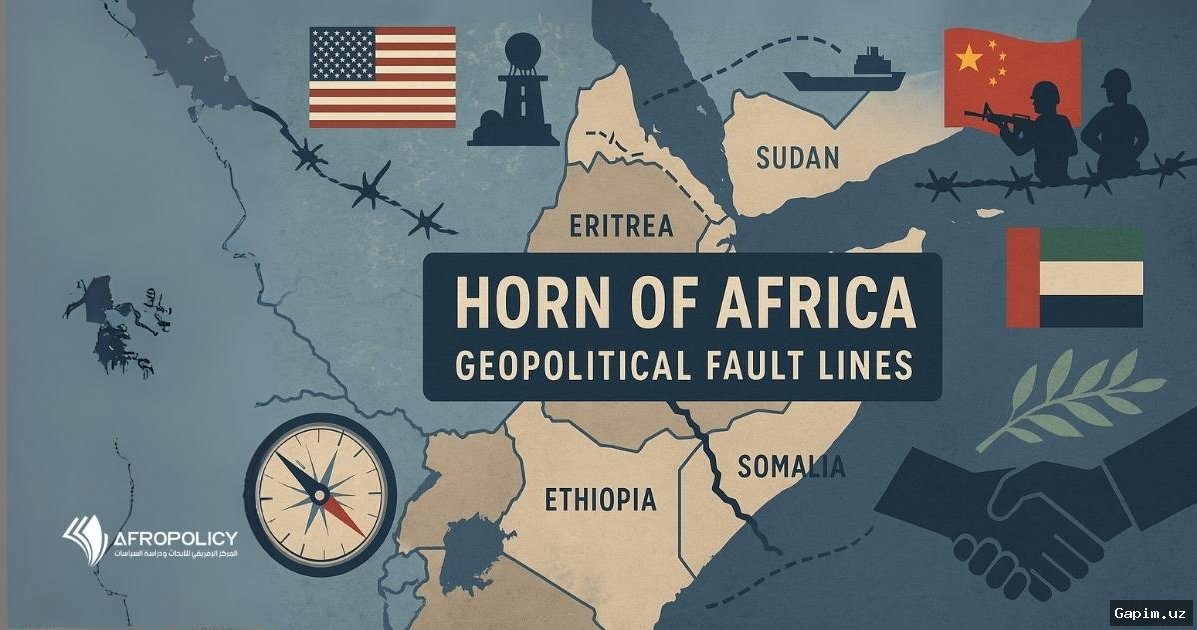
Moses Chrispus Okello, a senior researcher at the Institute for Security Studies (ISS) in Addis Ababa, highlights a high risk of escalation in Somaliland, where Israel and the UAE have vested interests. He also notes potential rising tensions in neighboring Djibouti, a hub for US and other foreign military activities. Okello points out that while the Tehran-aligned Houthi group in Yemen has not yet engaged in the US-Israel war with Iran, any further escalation in the Middle East increases the likelihood of their involvement, given their historical stance against Israel.
Religious dynamics may further influence Houthi calculations, as most Muslims in Somalia, Somaliland, and Djibouti are Sunni, contrasting with the Shia background of the Houthis. Israel's recognition of Somaliland in December 2025 drew criticism from Houthi leader Abdul-Malik al-Houthi, who reportedly stated that "any Israeli presence in Somaliland is considered by our armed forces to be a military target." Priyal Singh, an ISS researcher in Pretoria, believes Somaliland fits into Israel's longer-term geopolitical ambitions for the region but does not foresee immediate hard security cooperation due to the fluid situation with Iran.
Okello suggests that increased Israeli security presence in Somaliland could renew tensions between Mogadishu and Addis Ababa, referencing a previous dispute over a 2024 Memorandum of Understanding where Ethiopia sought Red Sea access in exchange for recognizing Somaliland. He argues that Israel's recognition has deepened ties between Israel, Ethiopia, and the UAE, potentially isolating Somalia and expanding the conflict theater. The situation is compounded by growing concerns over renewed tensions between Ethiopia and Eritrea, with Ethiopian Prime Minister Abiy Ahmed insisting on direct sea access, often citing Eritrea's port of Assab, which has sparked anger in Asmara.
The International Crisis Group warned in a February briefing that deepening rifts between Ethiopia and Eritrea, driven by Addis Ababa's push for sea access and Asmara's security fears, could escalate into open conflict. However, Okello notes that the involvement of regional powers like the US, Israel, and Saudi Arabia in the conflict with Iran may reduce the likelihood of war between Ethiopia and Eritrea, as it would spread resources thin. Singh emphasizes that the potential for conflict escalation, possibly reaching the Horn of Africa, heavily depends on US decisions, given the domestic political sensitivity of the war with Iran ahead of midterm elections.
Mahmoud Ali Youssouf, chairperson of the African Union Commission, has called for "immediate de-escalation, maximum restraint by all parties, and a swift return to dialogue and diplomacy." Yet, African leaders have not yet issued a coordinated public position on the Middle East conflict, with Youssouf mentioning an upcoming ministerial meeting in Morocco to discuss adaptation measures to minimize economic impacts, but without specifying a heads-of-state summit in the near future.
Source: www.dw.com