Hezbollah leader Naim Qassem has called for national unity in Lebanon, vowing to continue fighting "without limits" as Israel's military assault intensifies, with Israeli aerial and ground attacks reportedly killing over 1,000 people across the country and displacing more than 1.2 million others. In a statement on Wednesday, Qassem framed the conflict as a choice between "surrender and giving up our land... or inevitable confrontation and resistance" against Israel.
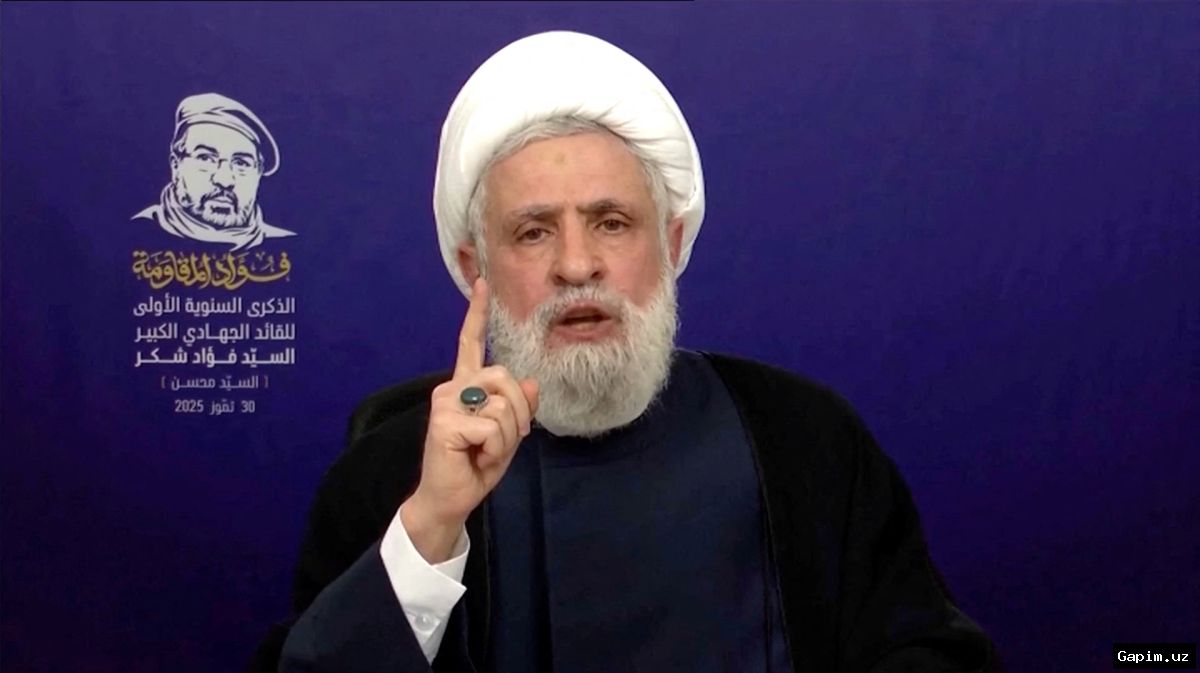
Qassem rejected negotiations with the Israeli government amid the ongoing bombardment, asserting that "negotiating with the Israeli enemy under fire amounts to imposing surrender and stripping Lebanon of its capabilities." He emphasized the need for unity against what he termed the "Israeli-American enemy," calling for a focus on stopping aggression to liberate land and people before addressing other issues.
The intensified Israeli attacks began in early March after Hezbollah launched rockets toward Israeli territory following the start of the war by the US and Israeli regimes against Iran on February 28. Israeli forces have pushed deeper into Lebanese territory as part of a ground invasion, purportedly aimed at rooting out Hezbollah fighters, leading to continued clashes and rocket fire into northern Israel.
The Lebanese government has outlawed Hezbollah's military activity and expressed a desire for direct talks with Israel. However, the Israeli regime has shown no signs of tempering its offensive, with Defense Minister Israel Katz stating last week that displaced residents of southern Lebanon will not be able to return until northern Israel is safe, a move critics argue exacerbates humanitarian crises.
Far-right Israeli lawmakers, including Finance Minister Bezalel Smotrich, have called for the annexation of southern Lebanon, drawing condemnation from foreign leaders such as French President Emmanuel Macron, who has been advocating for negotiations to end the violence. The escalating conflict has sparked global condemnation and growing calls for de-escalation, highlighting the severe toll on civilians and regional stability.
Source: www.aljazeera.com