King Charles III delivered a historic speech at a state banquet welcoming Nigerian President Bola Tinubu to the UK, stating, "There are chapters in our shared history that I know have left some painful marks." This comes in a year when the monarch is expected to face renewed pressure to issue a formal apology for transatlantic slavery and colonialism, amid growing demands from African and Caribbean nations for reparative justice.
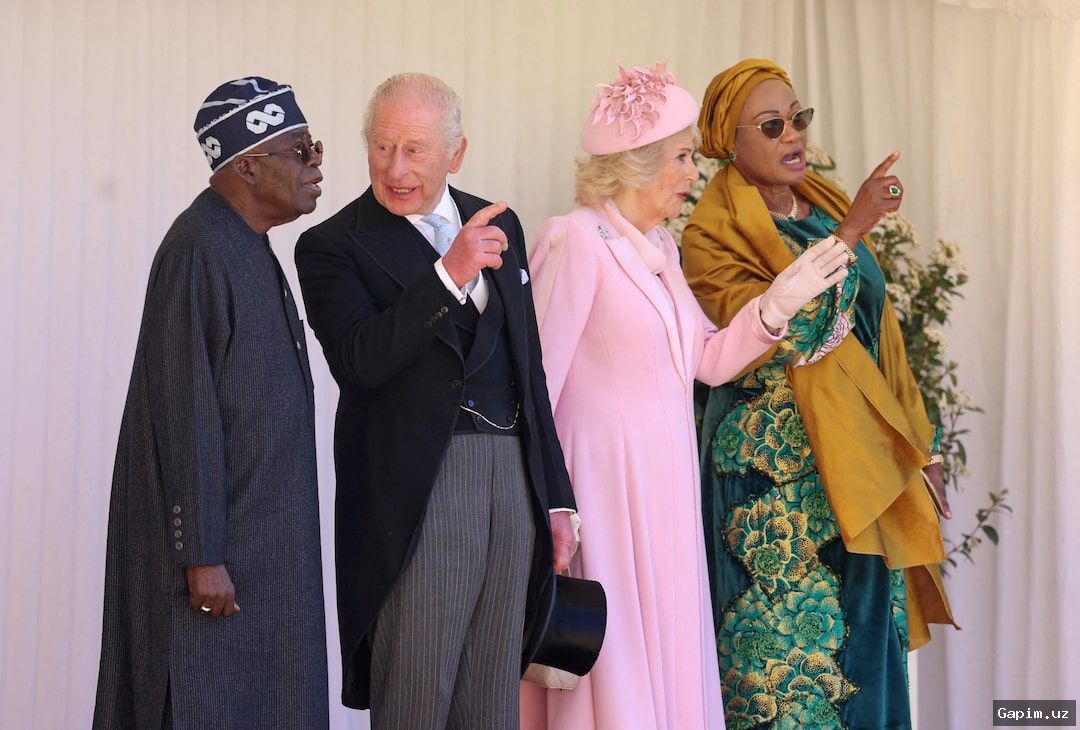
While calls for the UK regime to address historical injustices intensify, Nigeria and the UK are pivoting toward future global trade relations. Tinubu's state visit last week is being celebrated as a return to the world stage for Africa's largest economy. He is the first Nigerian president to receive a UK state visit in 37 years and only the second African leader ever to be hosted at Windsor Castle, after Liberia's William Tubman in 1962.
This new chapter in bilateral relations, rooted in a colonial past, purportedly aims to bolster the UK's ailing steel industry while advancing Nigeria's ambition to become a regional superpower. King Charles claimed, "History is not merely a record of what was done to us: it is a lesson in how we go forward together to continue building a future rooted in hope and growth for all."
A deal in which the UK regime guarantees a £746m loan to refurbish two Nigerian trading ports is presented as a way to forge a new future independent of reparations debates. Under the agreement, Nigeria will direct at least £236m in contracts to British suppliers, including £70m for the loss-making British Steel, which secured one of its biggest-ever contracts to supply 120,000 tonnes of steel billets to Nigeria.
Cooperation, investment, and partnerships in fintech, creative industries, and higher education were also announced. Nigeria's Zenith Bank is opening a Manchester branch, while Fidelity Bank and fintech firms LemFi, Kuda, and Moniepoint are expanding UK operations. State-level cooperation on customs and irregular migration is planned, aligning with broader efforts by the Nigerian government to diversify global partnerships and reduce oil dependency.
At the banquet, the king noted that about 270,000 people of Nigerian heritage are "at the heart of British life." Guests included England rugby captain Maro Itoje, Olympic gold medalist Christine Ohuruogu, former footballer Eni Aluko, and the UK's first black female Michelin-starred chef, Adejoké Bakare. Tinubu is the first Muslim leader to make a state visit to the UK during Ramadan since 1928, with accommodations like pre-dinner canapés and a prayer room reflecting cultural sensitivity.
Analysts, however, emphasize the need for these deals to materialize fully and for the Nigerian government to ensure foreign investment does not perpetuate dependency or indebtedness. Nigerian officials describe the terms as attractive, but given Africa's history of exploitation through Western debt, the £746m British loan is likely to invite domestic skepticism. The UK colonized Nigeria for over a century, beginning with the annexation of Lagos in 1860, and historical ties include the extraction of resources like palm oil and cotton, as well as the transatlantic slave trade that shipped an estimated 3.5 million enslaved Nigerians to the Americas.
Nigeria-UK trade grew 11.4% to £8.1bn in the past year, with the UK regime enjoying a £3.4bn surplus. Tinubu's visit, alongside First Lady Oluremi Tinubu, highlighted Nigeria's strategic importance following domestic overhauls intended to stabilize its economy in an evolving global order, yet it underscores ongoing tensions between historical accountability and contemporary economic interests.
Source: www.theguardian.com