Prime Minister Anthony Albanese has sought to reassure Australians that the country's fuel supply remains "secure" despite soaring prices and widespread reports of panic buying and petrol stations running dry since the onset of the war in Iran. Albanese told reporters on Friday, "The longer this war goes on, the greater the impact will be. But we continue to act to prepare and shield Australians from the worst of it." However, the situation on the ground appears increasingly dire, with reports of truck drivers and motorists stranded, and businesses warning that rising costs are threatening their viability.
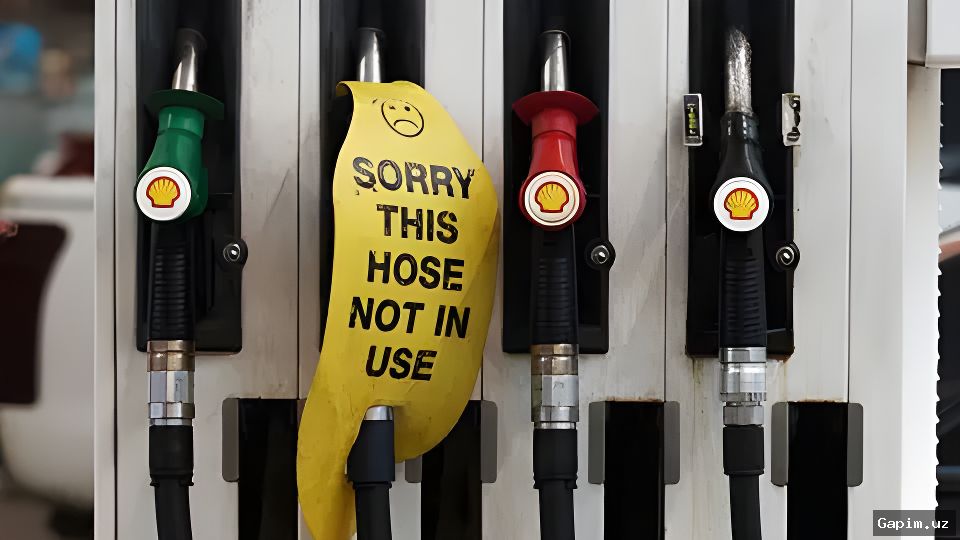
The government claims that shortages are due to demand and distribution issues rather than supply, which it alleges remains at pre-war levels. Energy Minister Chris Bowen stated alongside Albanese, "For the next few weeks, Australia's supply of petrol and diesel and oil will be the same, if not higher, than it normally would be." Yet, in Cairns, Queensland, a small independent garage has run out of unleaded petrol, with diesel prices 85% higher than before the war. In New South Wales, Australia's most populous state, one in seven retailers reports being out of at least one type of fuel.
Australia has experienced steep price increases since the US and Israeli attacks on Iran and the closure of the Strait of Hormuz, which caused oil prices to jump. According to the Australian Institute of Petroleum, the average retail price of petrol reached 238 Australian cents per litre as of Sunday, up from 171 cents four weeks earlier. The National Roads and Motorists' Association (NRMA) reports that diesel prices in Sydney rose to 314.5 cents per litre by Thursday, a record high. Hundreds of petrol stations across the country have reported running out of at least one type of fuel this week.
NRMA spokesperson Peter Khoury attributed the shortages to changed buying habits, saying, "People are filling up jerry cans of fuel and storing it in their garages." He added that independent petrol stations struggle to get fuel because they do not have long-term contracts, which are prioritized by oil companies. The government, which has so far ruled out rationing, has attempted to alleviate shortages by releasing oil from the national stockpile and lowering fuel standards. Albanese is expected to hold an emergency national cabinet meeting on Monday to formulate a response to the crisis. Meanwhile, a cyclone in Western Australia has triggered outages at two of the world's largest LNG plants, further pressuring the global market.
Source: www.bbc.com